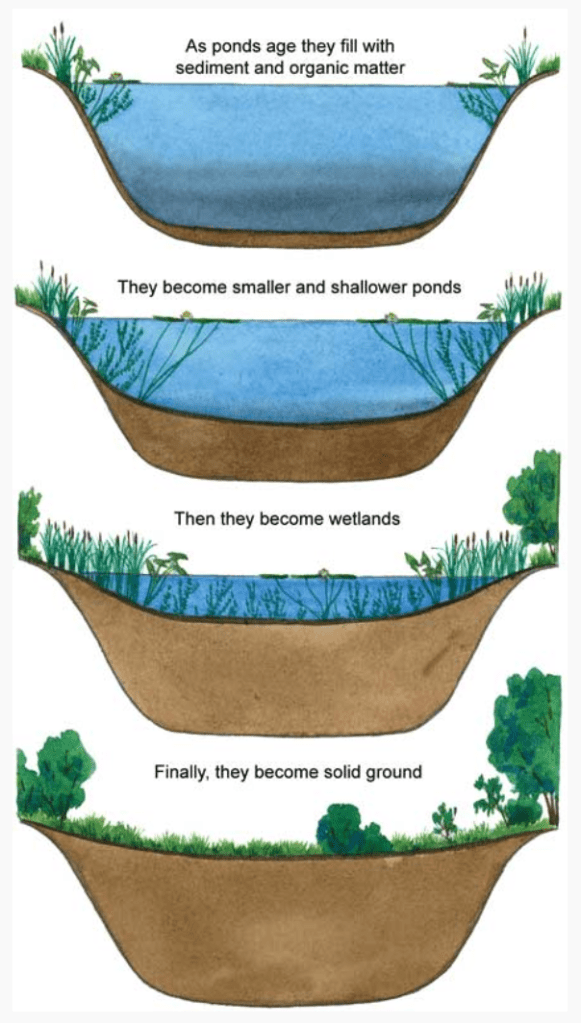
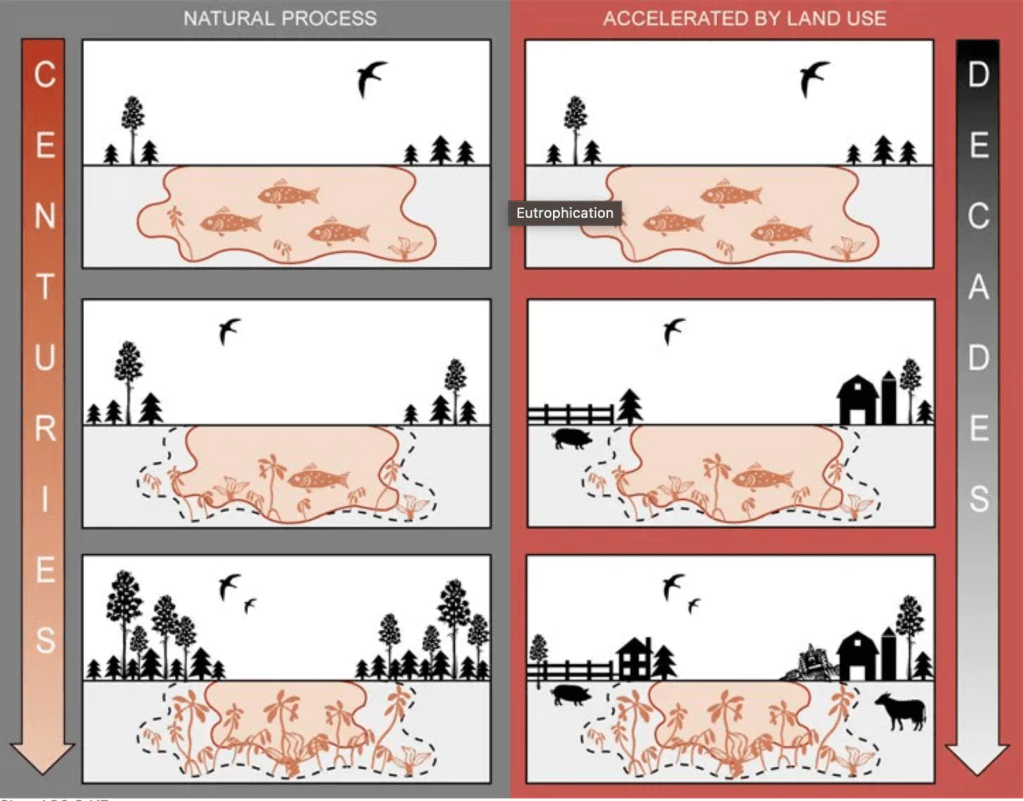
The largest issue facing most ponds and impounded water is Eutrophication, or a high nutrient load from accumulated organic material. Eutrophication is a natural process in which an impoundment begins to ‘fill-in’ with accumulated material, lessens in depth and significantly increases in vegetative growth. A ponds function in the watershed is a collecting point, a low spot where water is slowed and retained. When water is retained, deposition of whatever material that water is carrying is promoted. This is the natural cycle of ponds as they transition to a wetland, swamp then forest and the process that begins anytime water is impounded.
The natural shift to Eutrophic conditions is slow, on a scale of centuries, but human actions and impact exacerbate this process through erosion, chemical run-off and denuding of watersheds and riparian areas, among others. I’ve observed ponds as young as 25 years old already showing signs of significant eutrophication!
Forms of Nitrogen and Phosphorous are the main driving forces of aquatic growth and the proliferation of eutrophication.
The rate of eutrophication is dependent on a variety of site-specific factors but include the initial volume of the impoundment, depth, internal nutrient load and the watershed supplying the pond.
The internal nutrient load is the amount of nutrients contained within an impoundment, including those readily accessible in the water column, stored in detritus (muck), or currently being utilized by active growth. As actively growing plants, algae and wildlife complete their life cycle within the pond their subsequent decomposition releases those nutrients and makes them available for future growth.
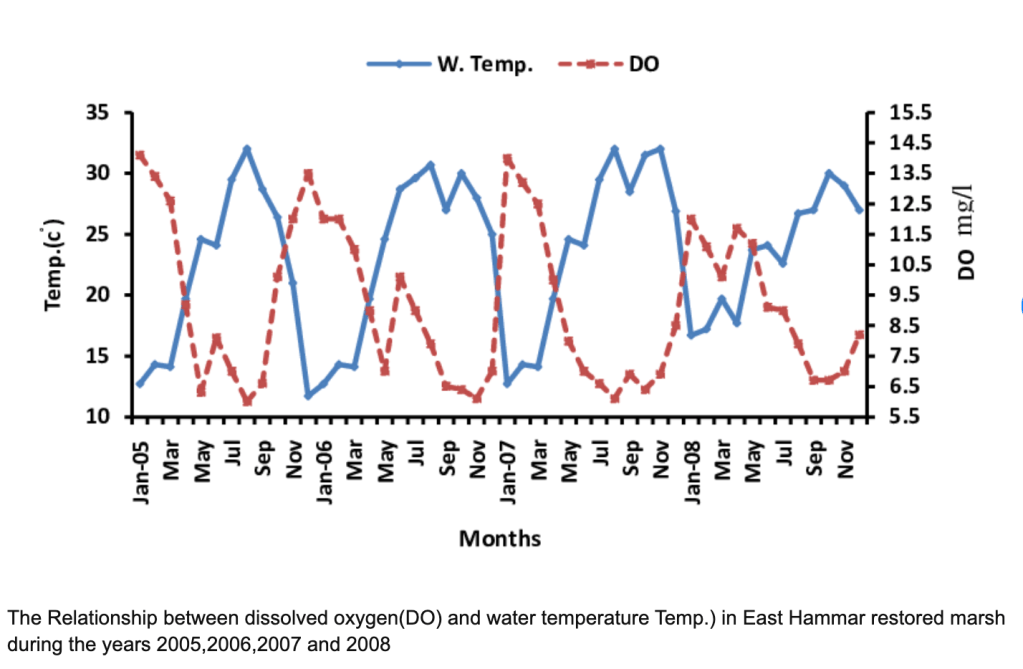
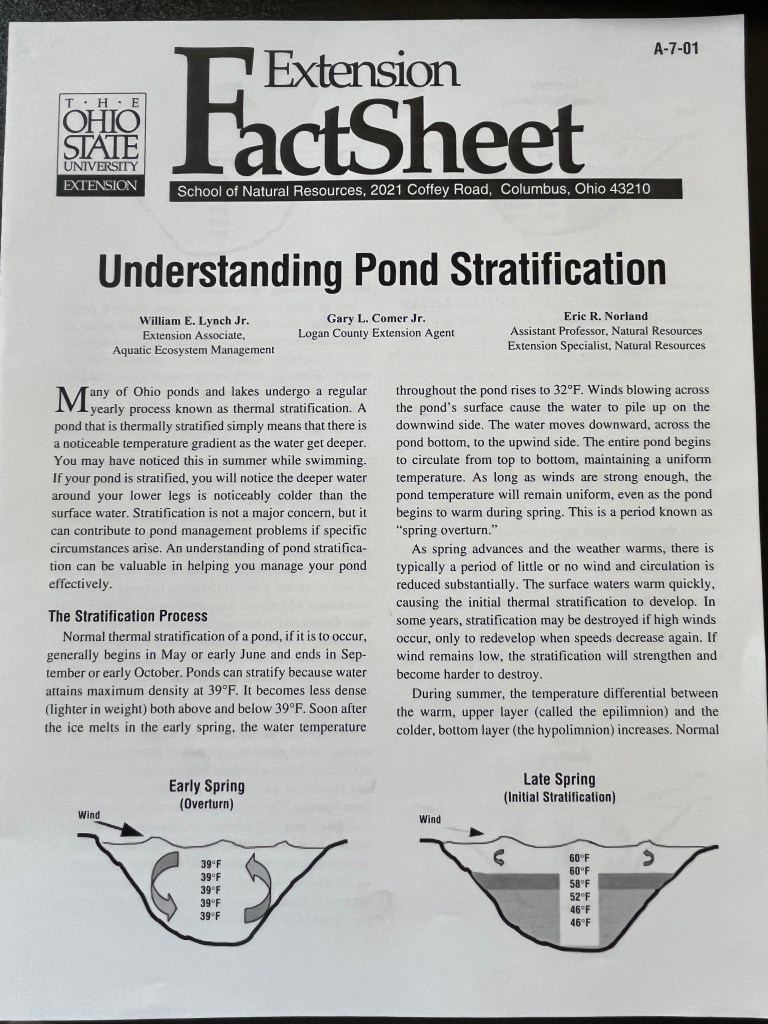
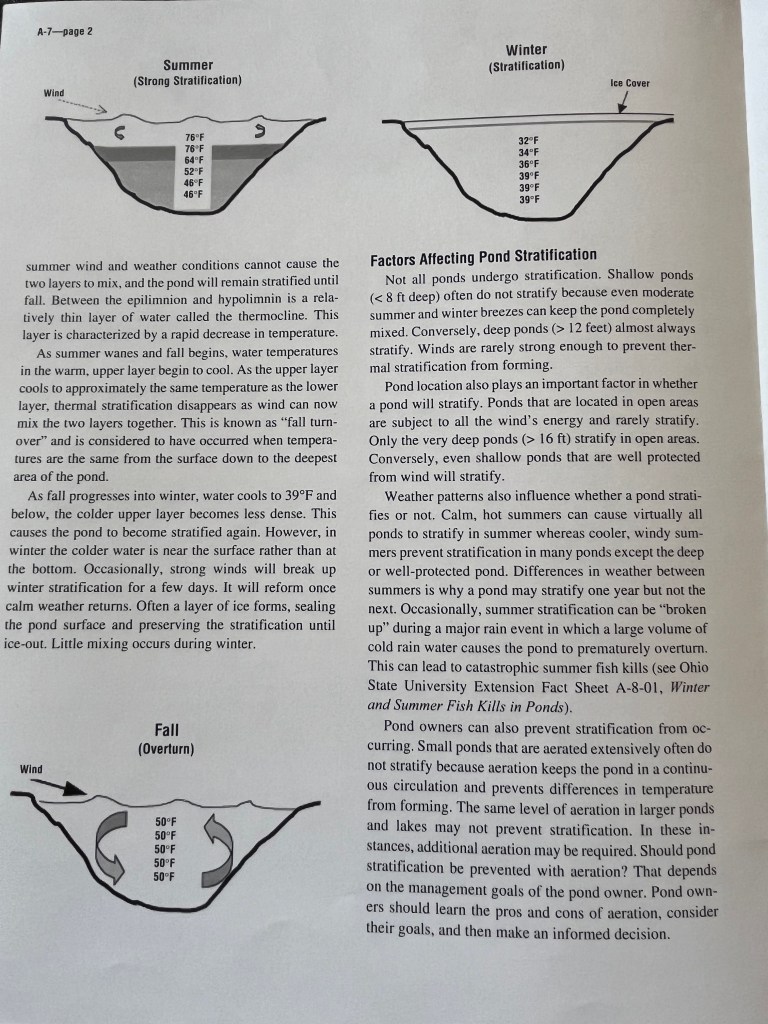
The decomposition rate of aquatic detritus (muck) is dependent on dissolved oxygen levels and temperature, as aerobic bacteria, the main driving force for said decomposition, requires oxygen to function and temperature determines metabolic activity. Put simply, the higher the concentrations of dissolved oxygen and the warmer the water, the more organic material can be effectively processed within the impoundment. There are some interesting correlations between water, temperature and DO to be aware of, however, like the inverse relationship between DO concentrations and water temperature. Cold water can hold more dissolved oxygen than warm water. In Winter and early Spring, when the water temperature is low, the dissolved oxygen concentration is high. In Summer and early Fall, when the water temperature is high, the dissolved-oxygen concentration is often lower due to the waters lower DO holding capacity and an increase in DO usage by aforementioned bacteria and other aquatic life. Another caveat to this equation is the variability of pond stratification which can severely impact DO levels, particularly during the Summer months.
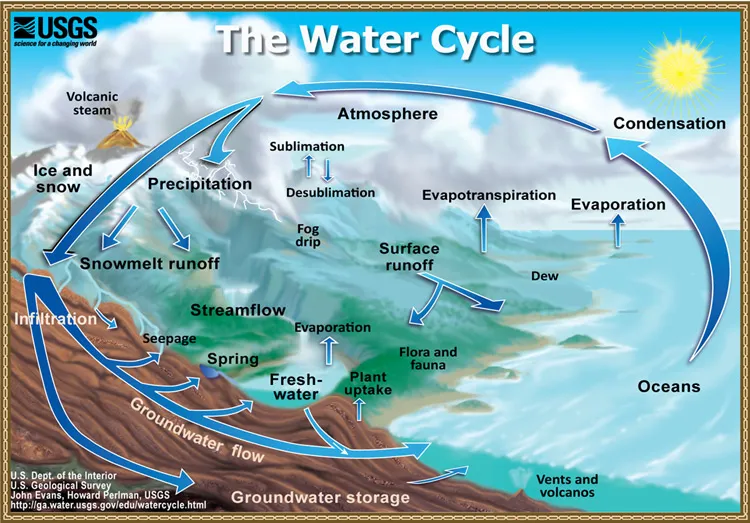
Having an understanding of the Hydrological Cycle, or how water moves through the Earth and atmosphere, can help us better understand its movement in the immediate environment.
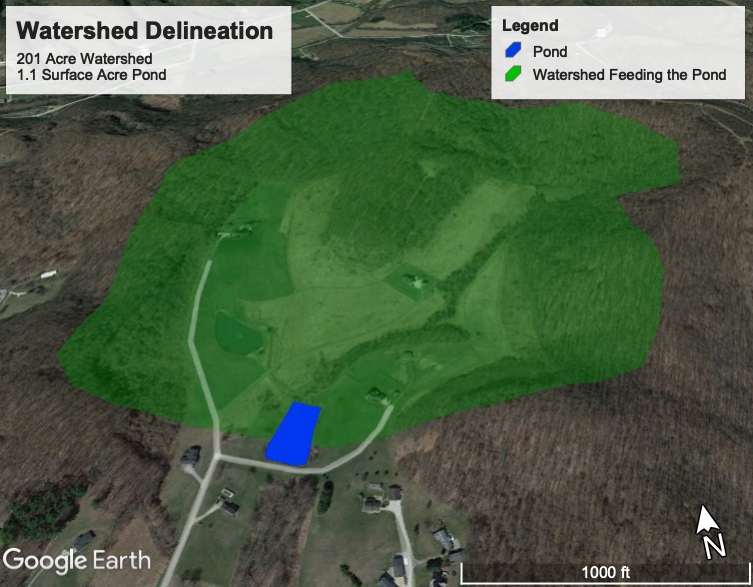
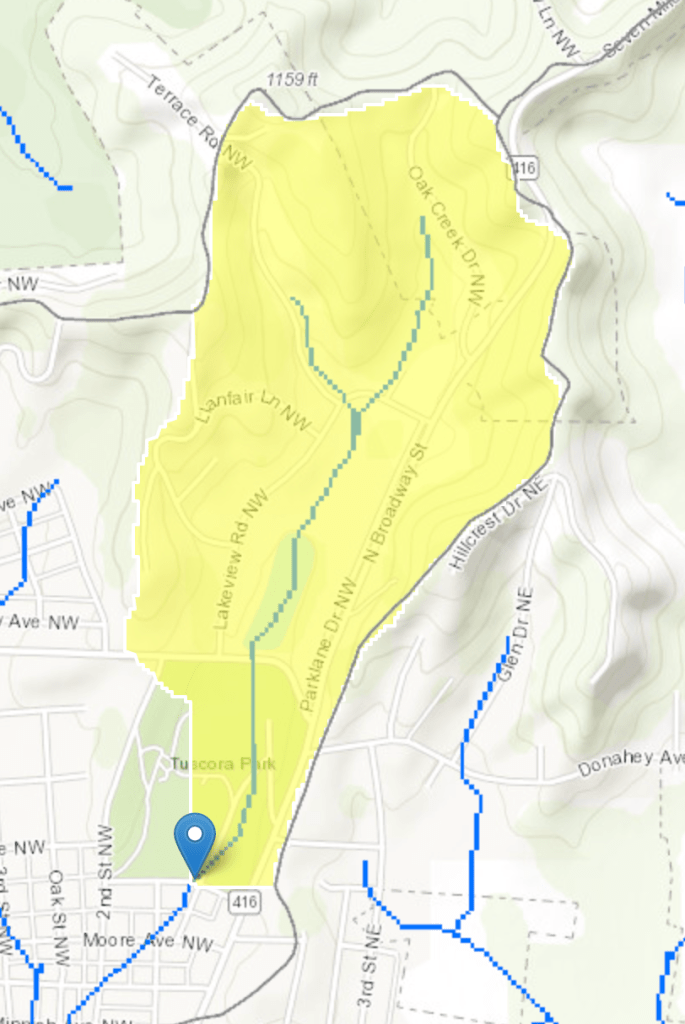
Watershed Delineation
A watershed is the entire land region that drains to a specified area. Understanding water movement through a watershed, and the actions impacting it, is crucial when considering pond management and improvements.
The United States Geological Service has a handy tool for delineating watersheds.
Topographical maps, apps, and a walk in the rain are all valuable when mapping and learning a watershed.
Once we have an idea of how water is moving around us, and how we impact that movement, we can start to implement management strategies to get the most out of our water resource while simultaneously protecting and improving the natural landscape. Nutrient mitigation is the act of managing, reducing or otherwise controlling nutrients within a watershed. The strategies presented below are general outlines for consideration as each impoundment has its own unique set of variables and constraints.
Proactive Practices
Focusing on the prevention and reduction of organic influxes, nutrient sources, to an impoundment. Leaves, sticks, waterfowl waste, excess feed, lawn clippings, eroded material and runoff from home/lawn/agricultural chemicals are all fuel sources for aquatic growth and the acceleration of eutrophication.
Sediment catchment ponds and similar structures at or before the pond inflow(s) to trap and access material, nutrients and sediments before they enter the main waterbody.
Swales, berms, ditches and other water management strategies to limit overland flow and subsequent deposition into the impoundment. Overland/surface/sheet flow can carry large amounts organic matter and has the potential for erosive effect if unchecked.
Wind-blocks, low fencing and purposeful plantings to catch leaf litter and wind-blown debris before entering the impoundment.
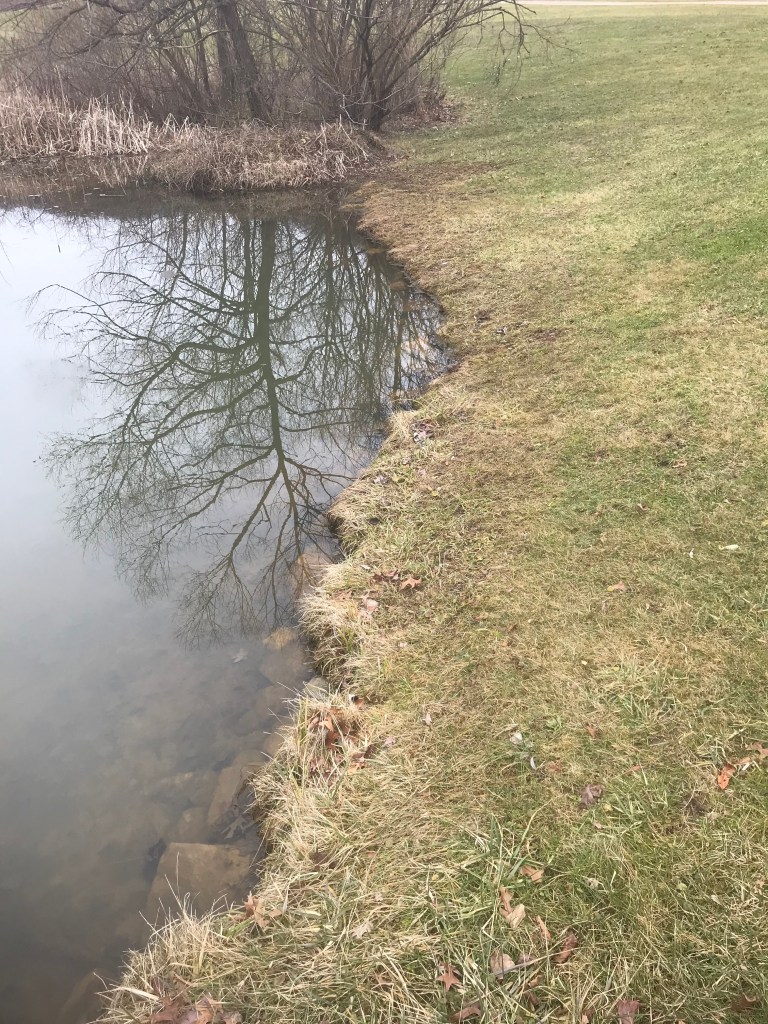
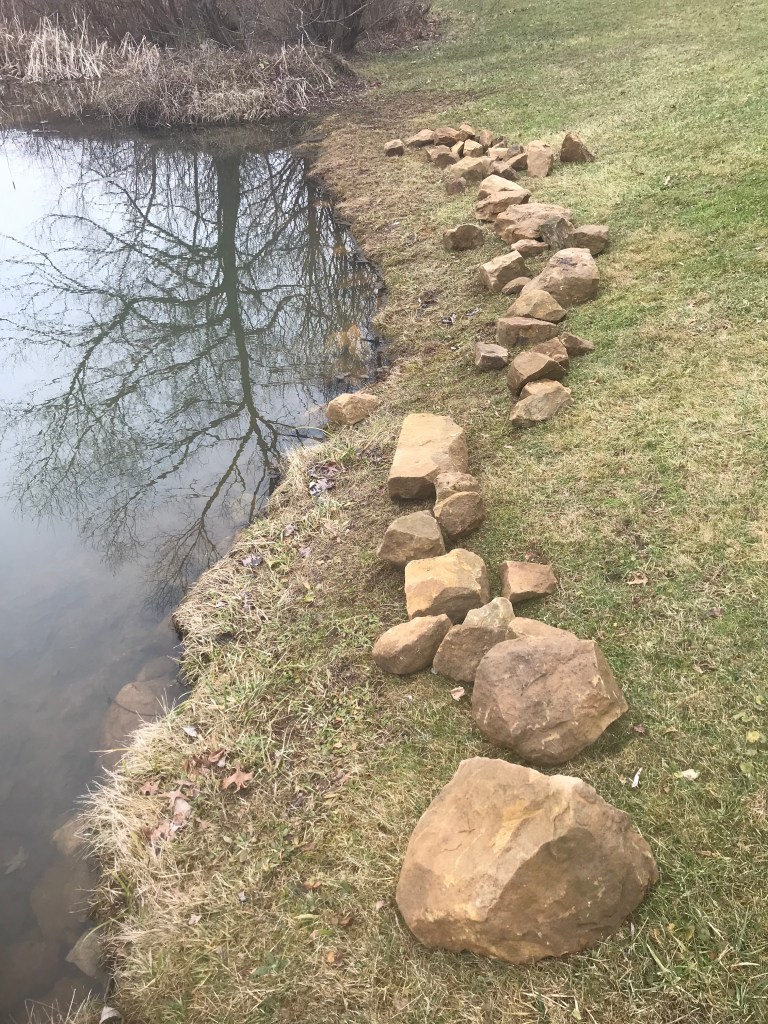
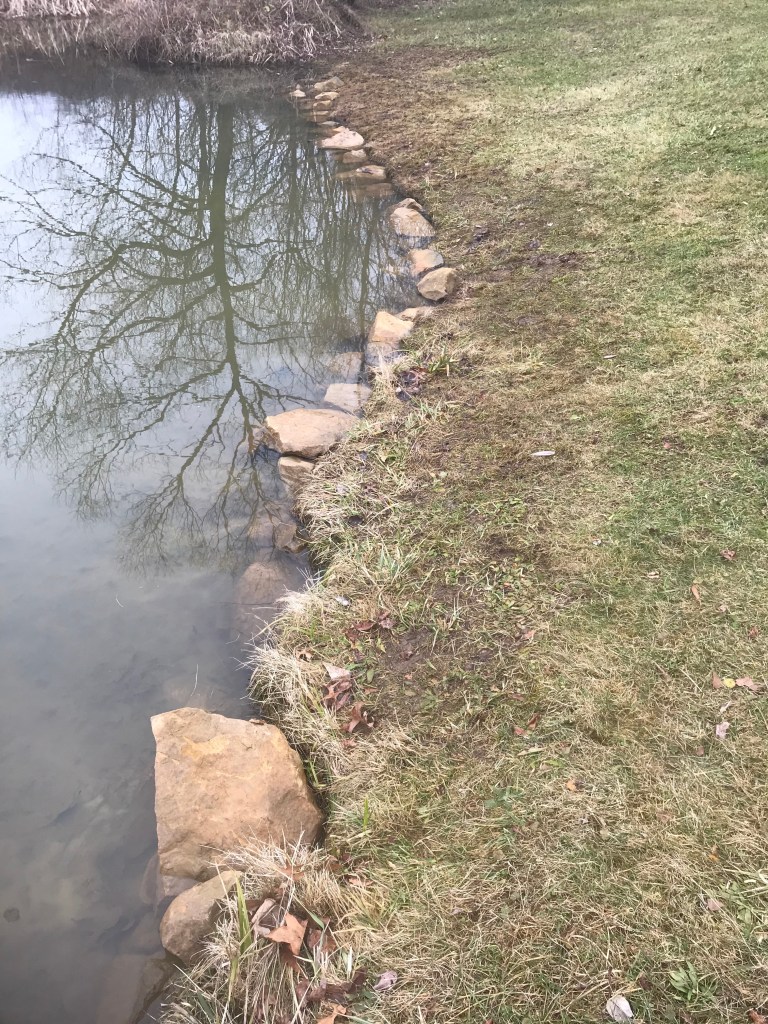
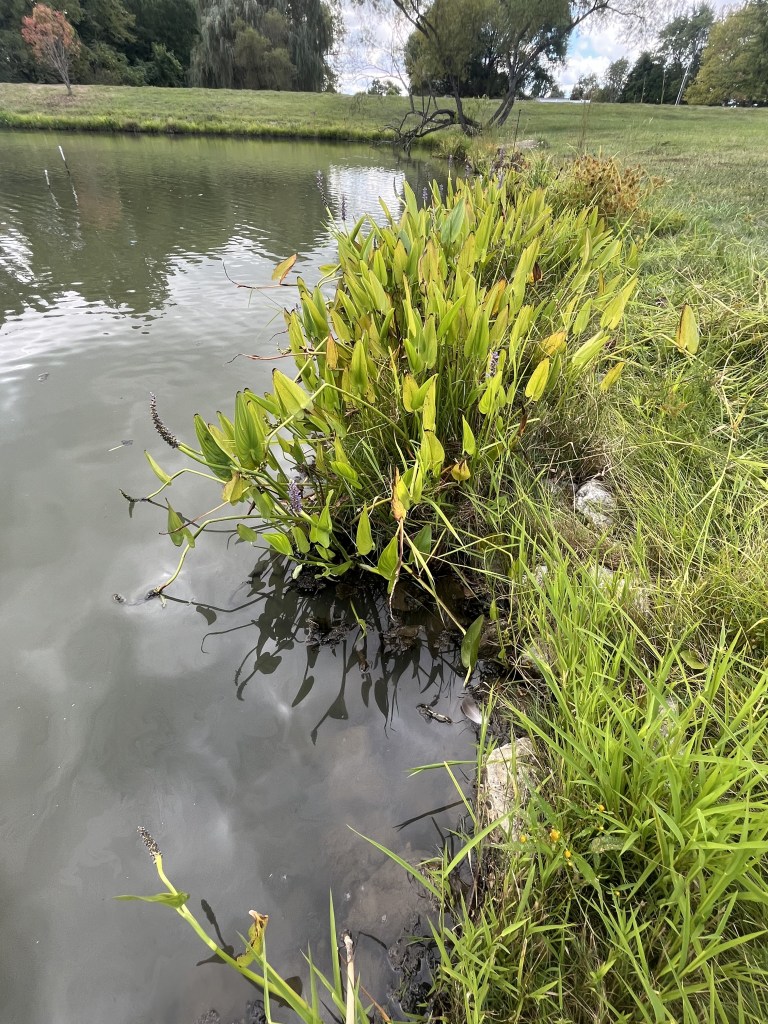
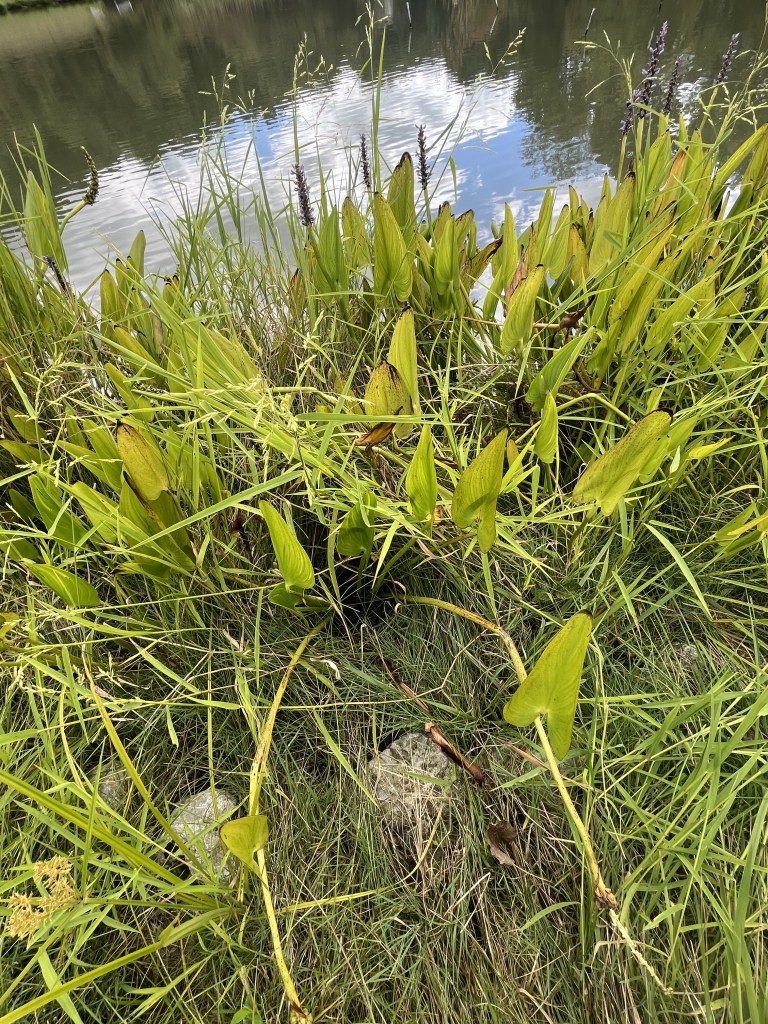
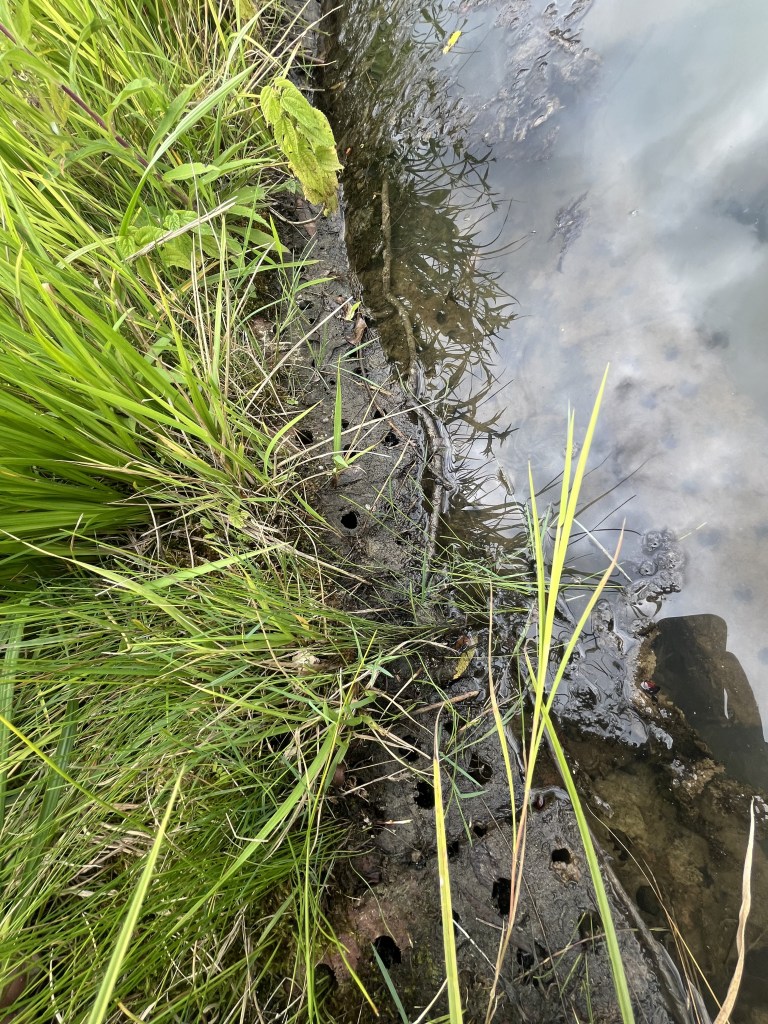
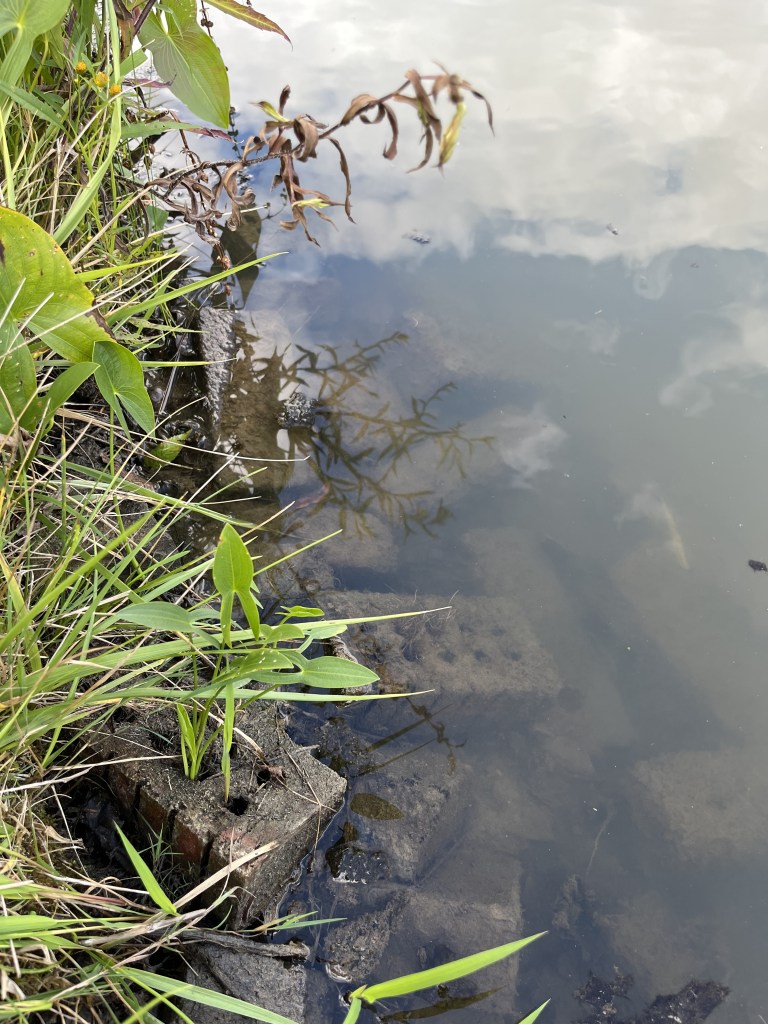
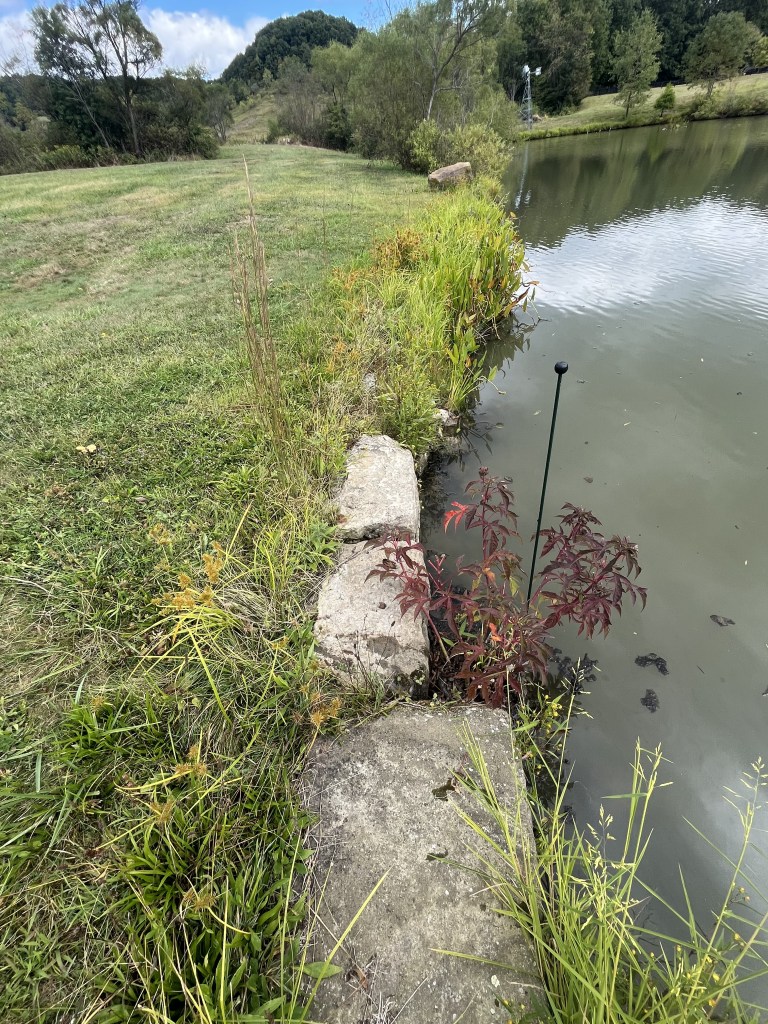
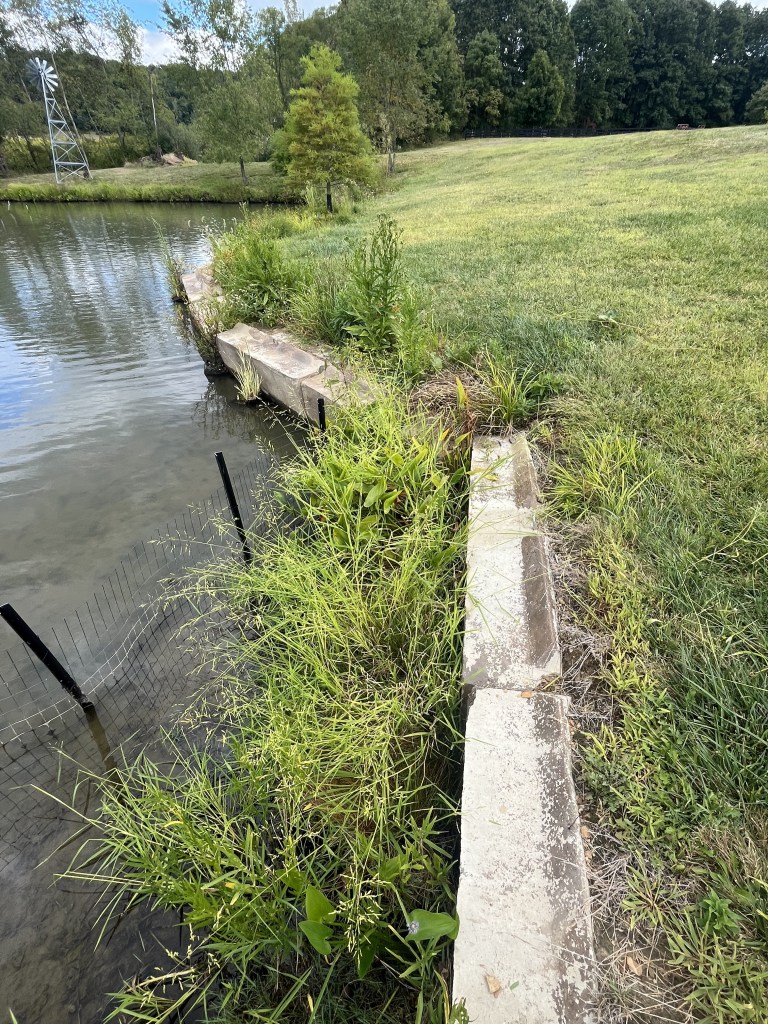
Shoreline stabilization: adding rip-rap, gravel or other inorganic material at the shoreline (water/land interface) to prevent erosion from wind/wave action. A well armored shoreline can also deter muskrats and other burrowing wildlife from sensitive areas. Shoreline plants can be promoted amongst the material to further prevent erosion and provide marginal habitat for aquatic life.
Buffer strips can help reduce both windblown debris and surface flow while promoting biodiversity. Thick vegetation around shorelines has also been shown to reduce usage by Canadian Geese.
Aeration can promote dissolved oxygen, de-stratification and pond de-gassing, which helps mitigate excess nutrients, improve water quality and protect against oxygen related fish kills.
Promoting Trophic Biodiversity: the more links in the (aquatic) trophic chain, the better utilization of nutrients and the lower potential for excess-nutrient related issues.
Promote beneficial plant growth: any vegetative growth not interfering with the recreational and functional operation of the pond is absorbing nutrients from the area, providing a beneficial avenue for those nutrients and mitigating the chances of a more noxious, nuisance species from taking hold.
Extractive Practices
Harvesting plants, fish, muck or other organic matter from the pond is extractive, lessening the total nutrient load while preventing the recycling of those nutrients within the system. Eutrophication arises from the accumulation of material, promoting responsible harvest of material(s) is directly managing against that process.
Harvesting Aquatic/Shoreline Plants
There are a plethora of edible, medicinal and otherwise usable species that grow well in and around standing water. Many species of macrophyte (aquatic plants) have potential for food, fodder, fertilizer.
Chinampas, the wetland/floating agriculture of Mesoamerica, are a great example of recycling accumulated organic material into regenerative agricultural systems.
Fish Harvest
A valuable tool to help manage fish populations, reduce the nutrient load and provide a source of table fare.
Tilapia stocking and harvest. Tilapia add a seasonal link to the trophic food chain, converting nutrients from the pond into vegetation which in turn produces pounds of fish. Harvesting or physically removing the Tilapia from the system is the most important, and sometimes difficult, part.
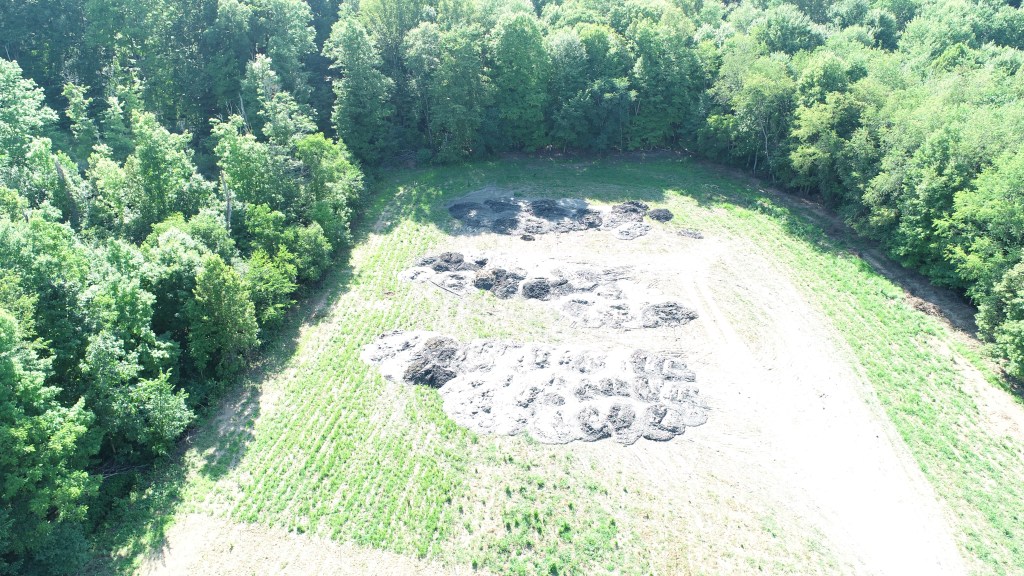
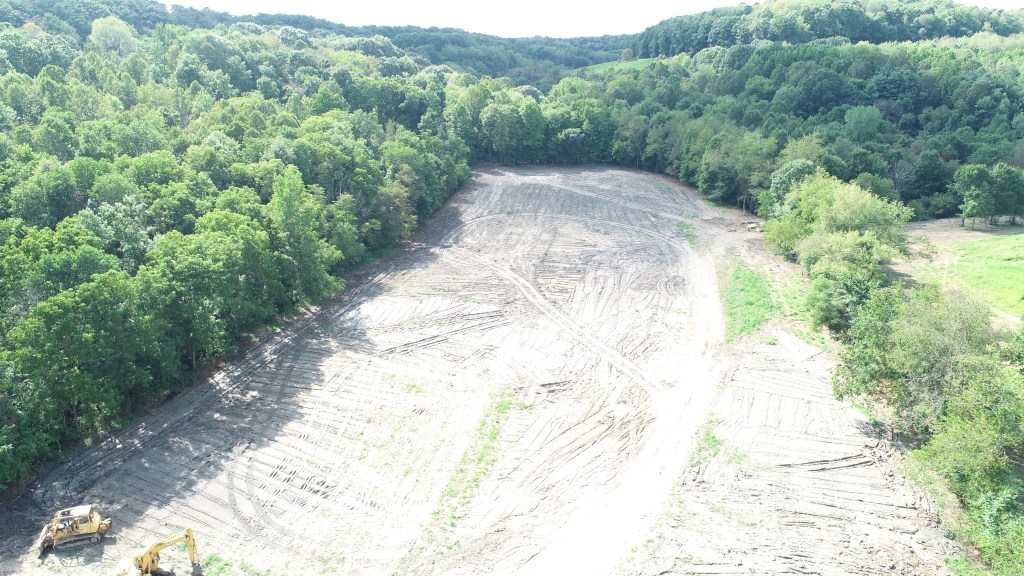
Muck, Sediment Removal
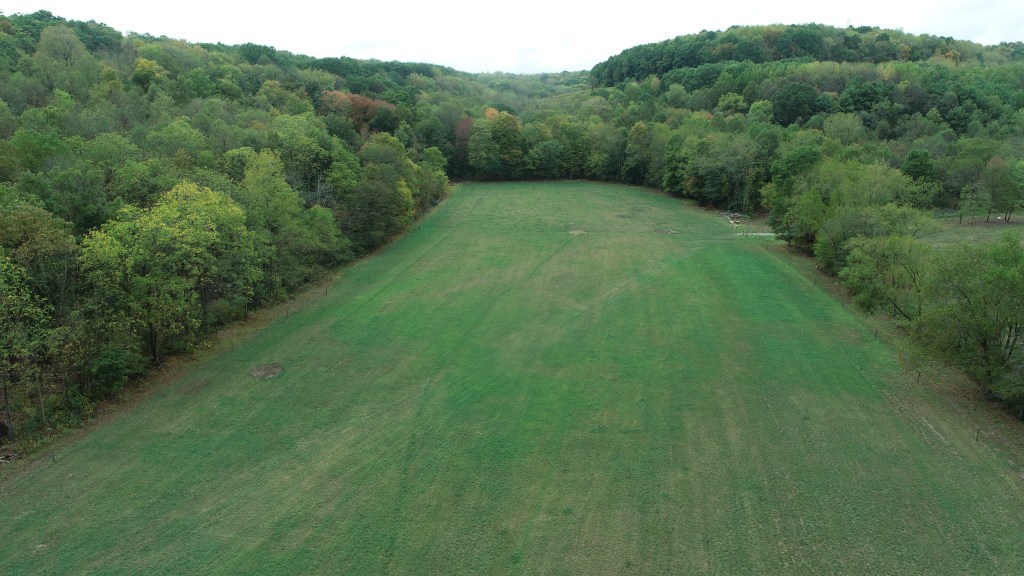
Soil amendment for yard, garden, agricultural use. Obtaining a lab analysis from your site can help dictate best usage for that material.
Excavated pond muck used as soil amendment in a large pasture
Spread and drying muck
Two years later
Erosion
Erosion is a large contributor to eutrophication, watershed problems and overall ecosystem degradation. Bare ground erodes when exposed to water: rain, wave energy, runoff. The most valuable topsoil is usually lost first, resulting in less fertile ground for plants and trees, which promotes further erosion. The nutrient-rich soil ends up in local drainages/impoundments, spurring nuisance vegetative growth and water quality issues. Major sources of erosion include:
Runoff from impermeable areas; roofs, driveways, roadways, concrete; impede water infiltration into the soil, concentrating it at the surface where it leads to erosion and flooding.
Exposed soil from new construction, heavy machinery work, previous erosion, timber harvests, mono-crop agriculture, etc
Slowing water down before it gains too much momentum and promoting deep-rooted plants/trees are great steps against erosion. Root growth not only holds on to soils but also allows for more water infiltration to the soil while also increasing the soils water holding capacity.
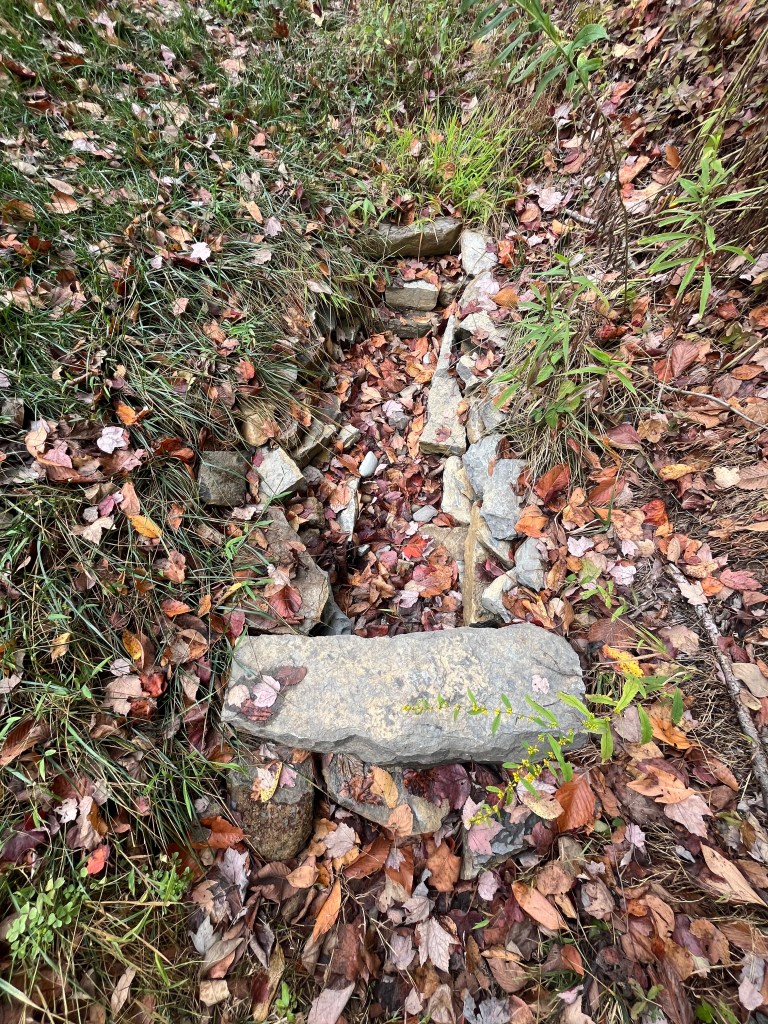
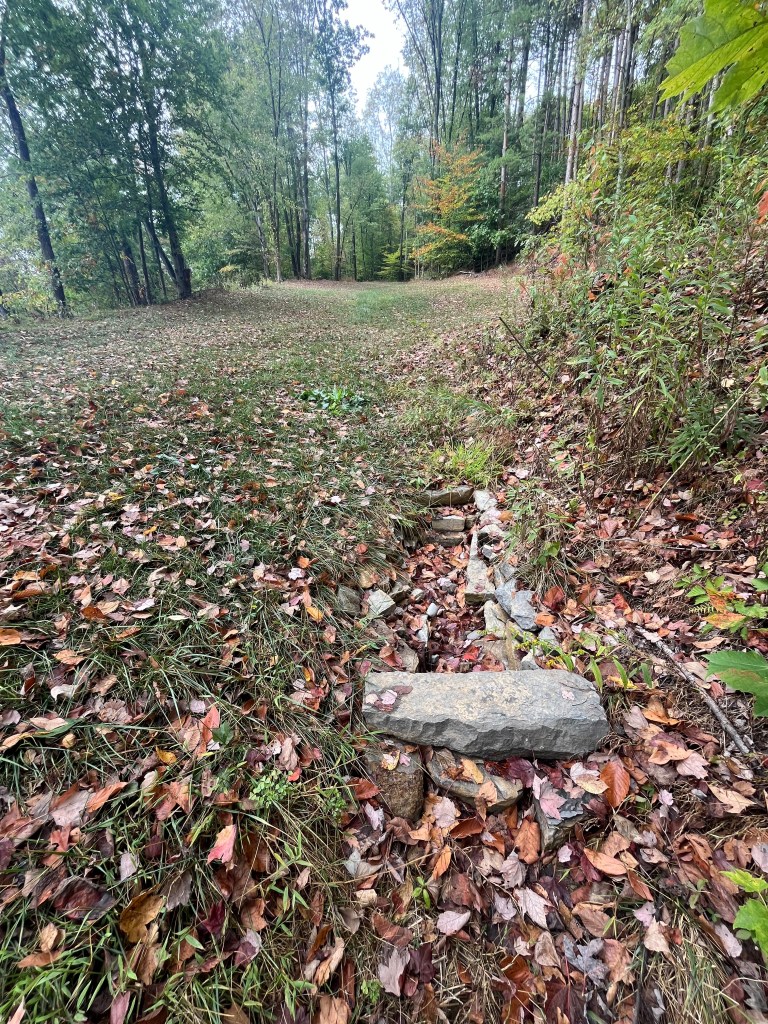
A ‘zuni bowl’ is a water management approach to prevent erosion
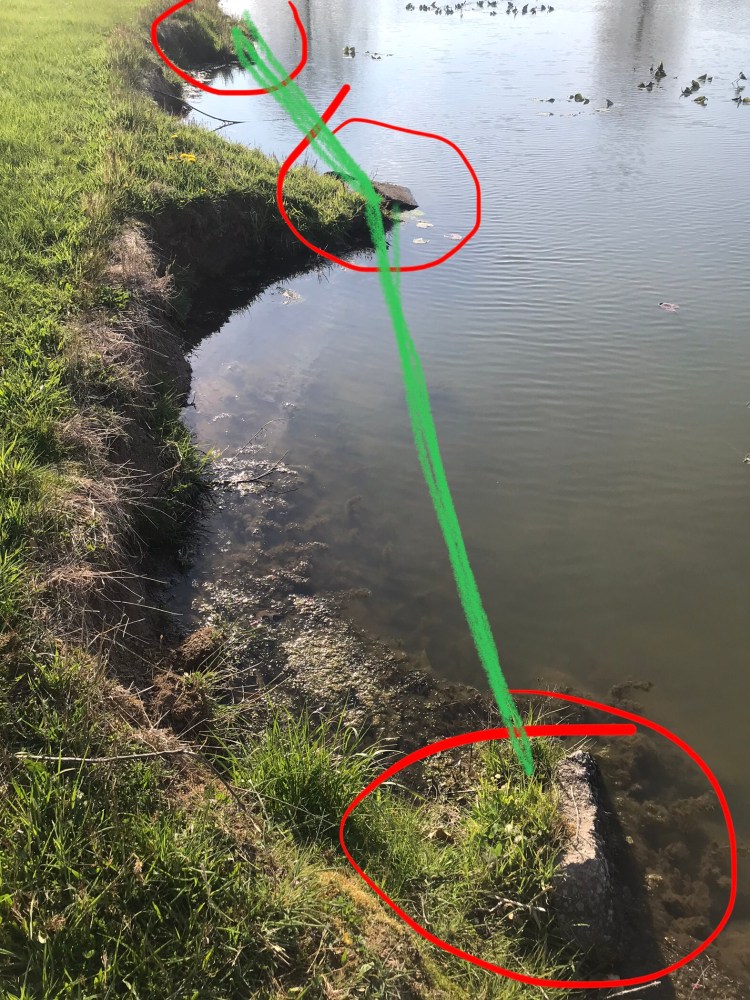
This image shows the importance of protecting a shoreline against wave energy. The red circles show where sparse rip-rap was added and the green lines indicate the original shoreline, with all the missing material being washed into the pond. The first 10′ of this particular shoreline contributed approximately 1800lbs of nutrient-laden soil to the pond, fueling nuisance growth and lessening pond depth over the years.
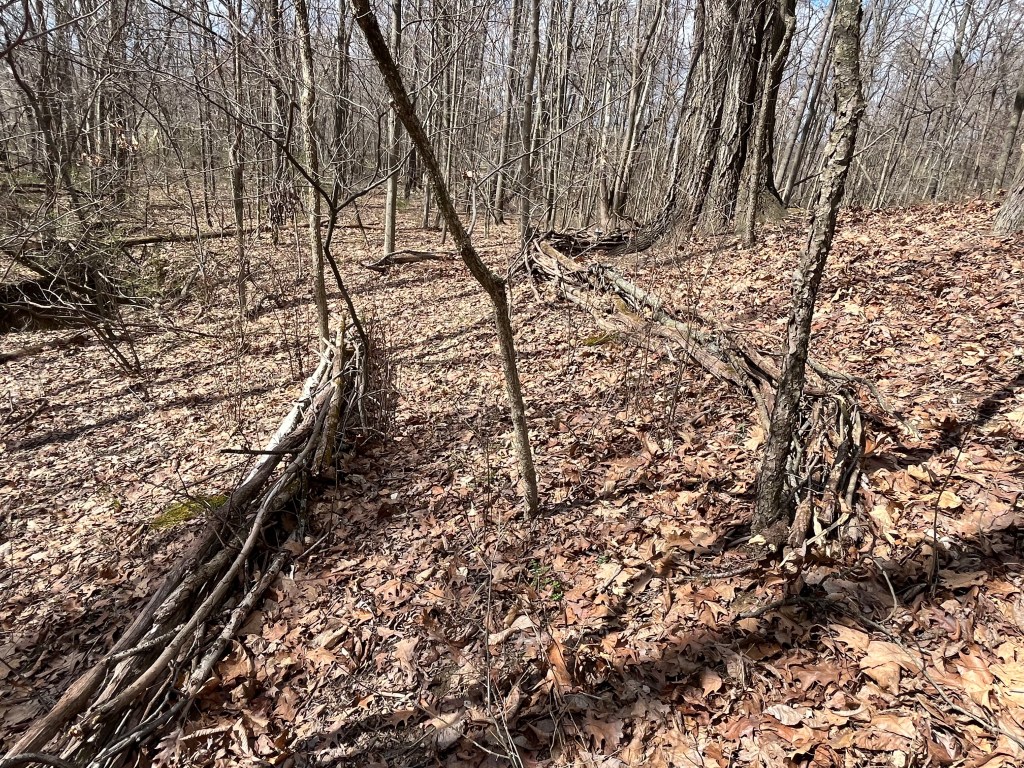
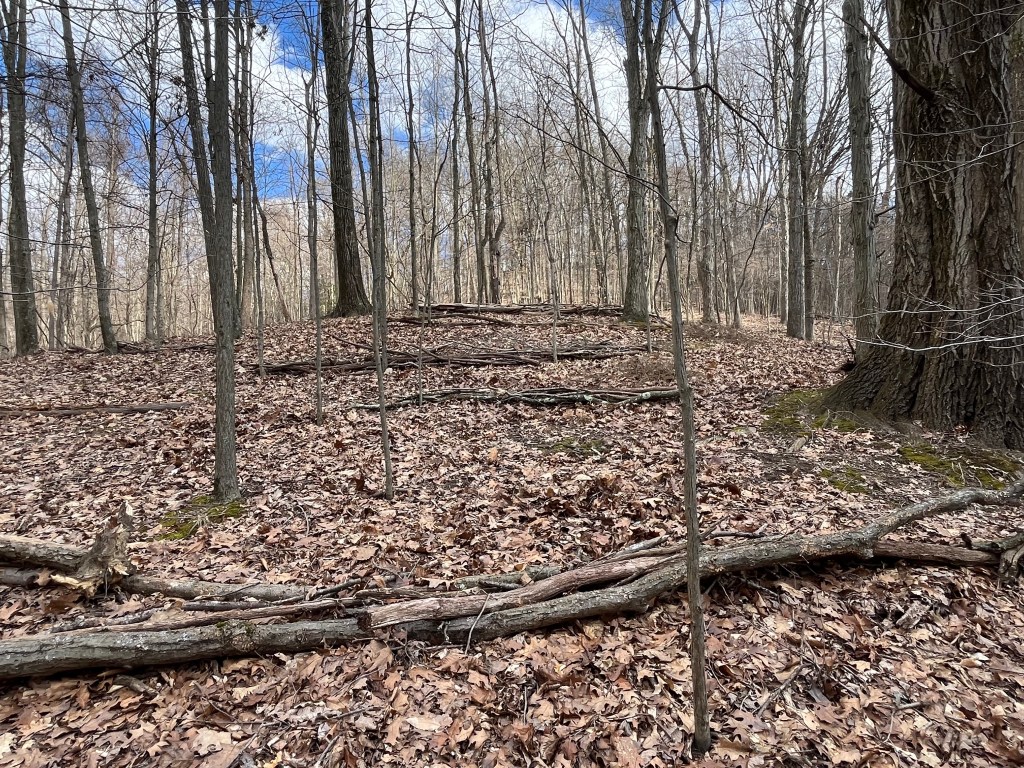
Deadhedges or stick fences are a simple way to slow surface flow and capture leaf litter and snow
Harmful Algal Blooms
Cyanobacteria are complex and resilient organisms that are capable of surviving in some of the most extreme environments on the planet. The species that commonly cause HAB’s in lakes and ponds are no exception. Cyanobacteria, or Blue-Green Algae, are free-floating photosynthetic bacteria most often associated with warm, highly eutrophic water. They’re able to obtain nutrients from a variety of different avenues and are capable of reproducing at astounding rates. A limiting factor for these toxic blooms is Phosphorous, making it a key nutrient to manage in and around your body of water.
HAB’s are harmful to life both in and around the water through the production and release of hepato (liver) and nuero (nervous system) toxins. While the modes of transmission and effects on humans are still unclear, mortality in small pets and livestock is a definite possibility. If you have or suspect a HAB then precautions should be taken until it’s handled appropriately. Livestock and pets should be kept out, fishing postponed and general access to the water should be limited until conditions improve.
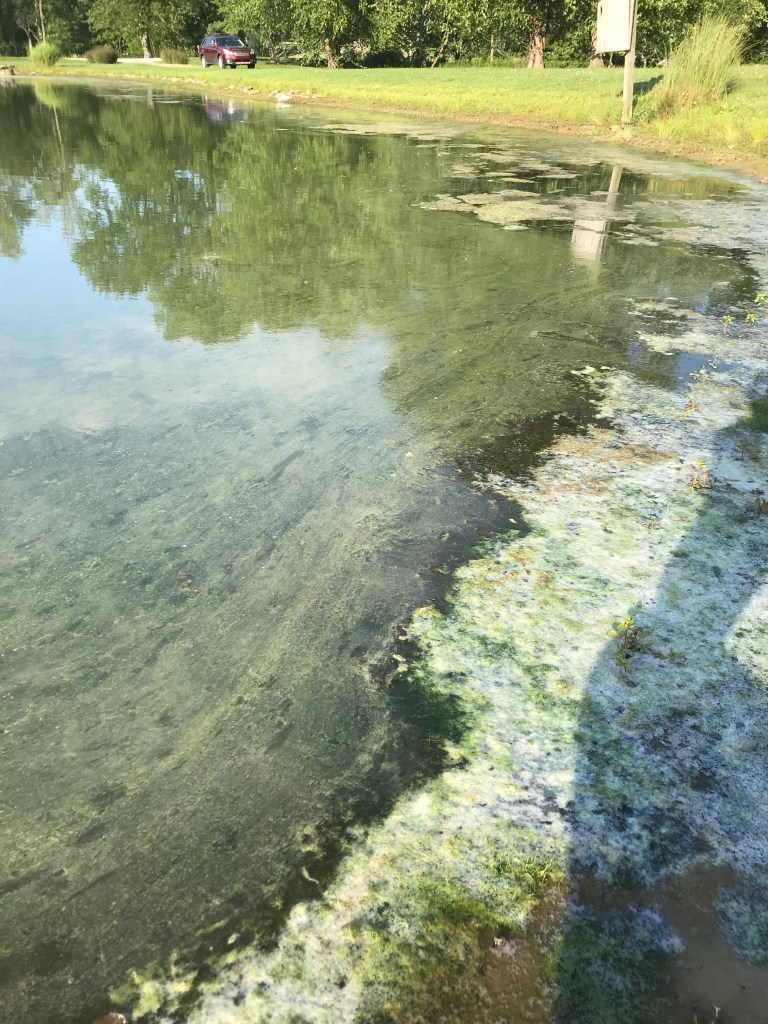
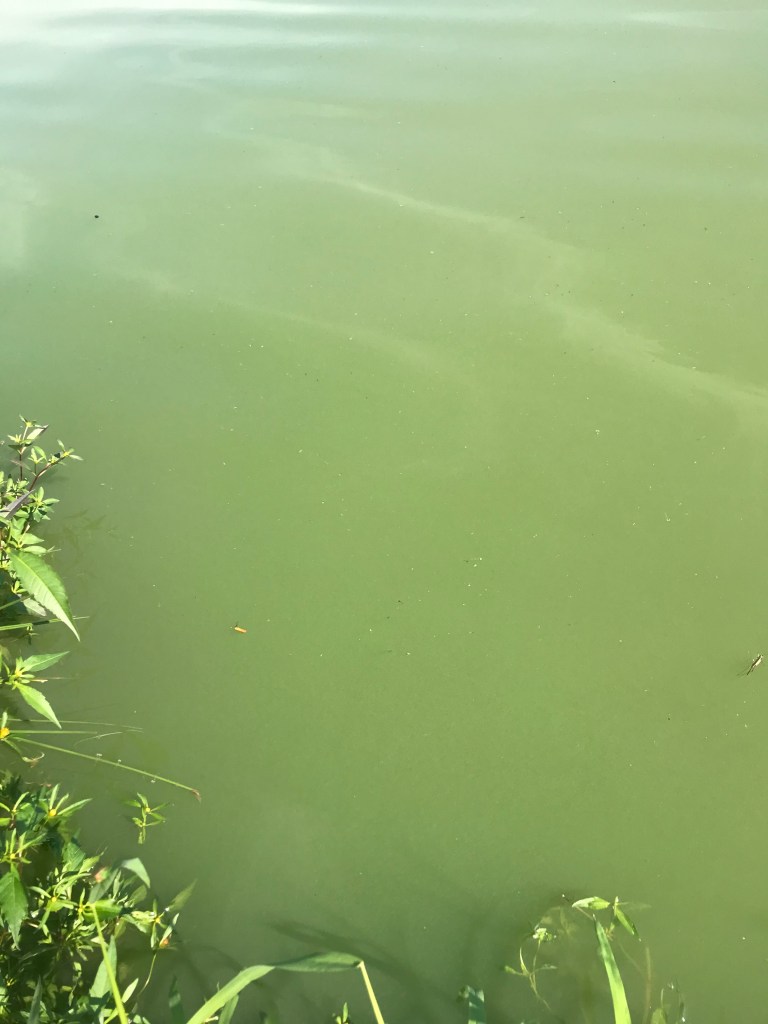
A conglomeration of filamentous algae, detritus from dying aquatic vegetation and a toxic Blue-Green Algal bloom. Dolichospermum smithii and Microcystis aeruginosa were two confirmed species, capable of releasing neurotoxins and hepatotoxins that affect the nervous system and liver, respectively.
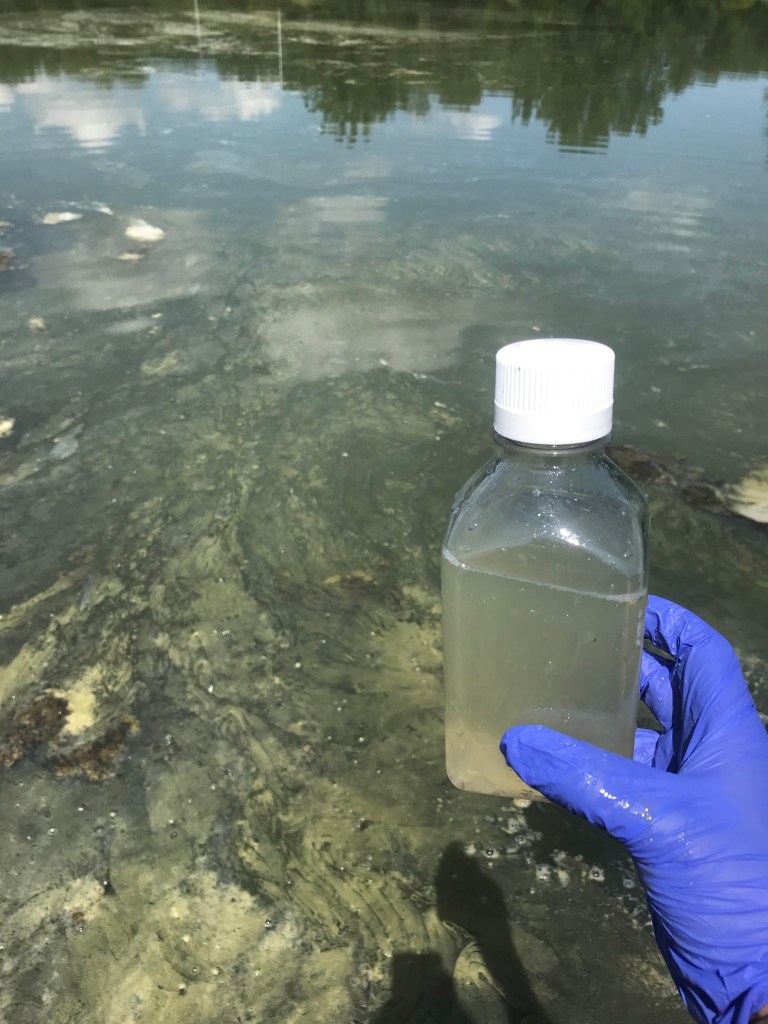
While some toxic blooms can be visually identified, collecting water samples to be lab tested is a good choice, especially when uncertain.
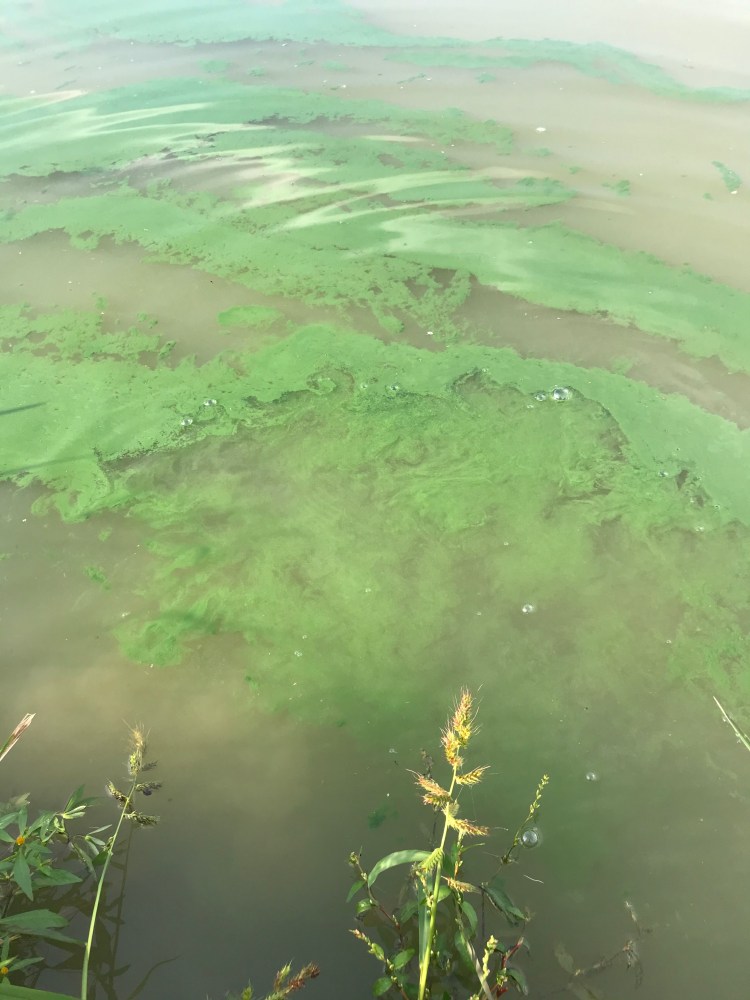
The unique appearance and life cycle of HAB’s can make them easier and harder to identify. Cyanobacterial blooms typically begin their life cycle near the bottom of impoundments where higher nutrient levels from detritus fuel their initial surge. If you can visually identify a bloom then there’s a good chance the bloom has been established in the system for days or weeks prior. As seen below with the bloom of Microcystis aeruginosa and Dolichospermum circinale, it’s easy to identify when conglomerated at the surface and much less conspicuous when distributed throughout the water column. This bloom was photographed first in the morning around 9:00am (left) and again at around 4:00pm (right) in the same pond on the same day.
HAB assemblage at the surface, collecting heat and sunlight before dispersing throughout the water column.
HAB in solution, much harder to identify as its more uniformly dispersed.
Not All Cyanobacterial Blooms Cause Toxicity Issues, Toxin Production Is Variable
If you suspect a HAB:
Identify the Bloom
Some blooms can be easily identified by their color and behavior but it never hurts to get an outside opinion from a professional or, better yet, have the water lab tested. Most labs will identify the species of algae/bacteria present, the concentrations and even the toxins levels being produced.
Prevent Future Blooms
HAB’s occur most frequently in extremely eutrophic waters; controlling nutrient levels is the best way to prevent them!
Control the Active Growth
Chemically treating the active growth is usually best when first identified, before the bloom grows further and conditions worsen. Since HABs are most common in the hot summer months, oxygen depletion from a chemical treatment is a major concern. To make things more complicated, Cyanobacteria release their toxins as they die, leading to more potential harm to aquatic life. I recommend consulting a professional for product direction or the application itself.
Be Mindful
If you or family members utilize water that is susceptible to high levels of nuisance growth, keep an eye out for these unique and potentially harmful occurrences. Actively monitoring your impoundment for signs of excess nutrients, peculiar blooms and other odd manifestations is a step towards keeping your water healthy and usable.
\bibitem[Galal et al.(2023)]{2023RLSFN..34.1209G} Galal, T.~M., Gharib, F.~A., Mansour, K.~H., Soliman, M.~A.\ 2023.\ Nutrient accumulation potential and nutritional value of some emergent macrophytes for restoration of eutrophic water bodies in Greater Cairo, Egypt.\ Rendiconti Lincei. Scienze Fisiche e Naturali 34, 1209–1220. doi:10.1007/s12210-023-01194-w
 PondHero