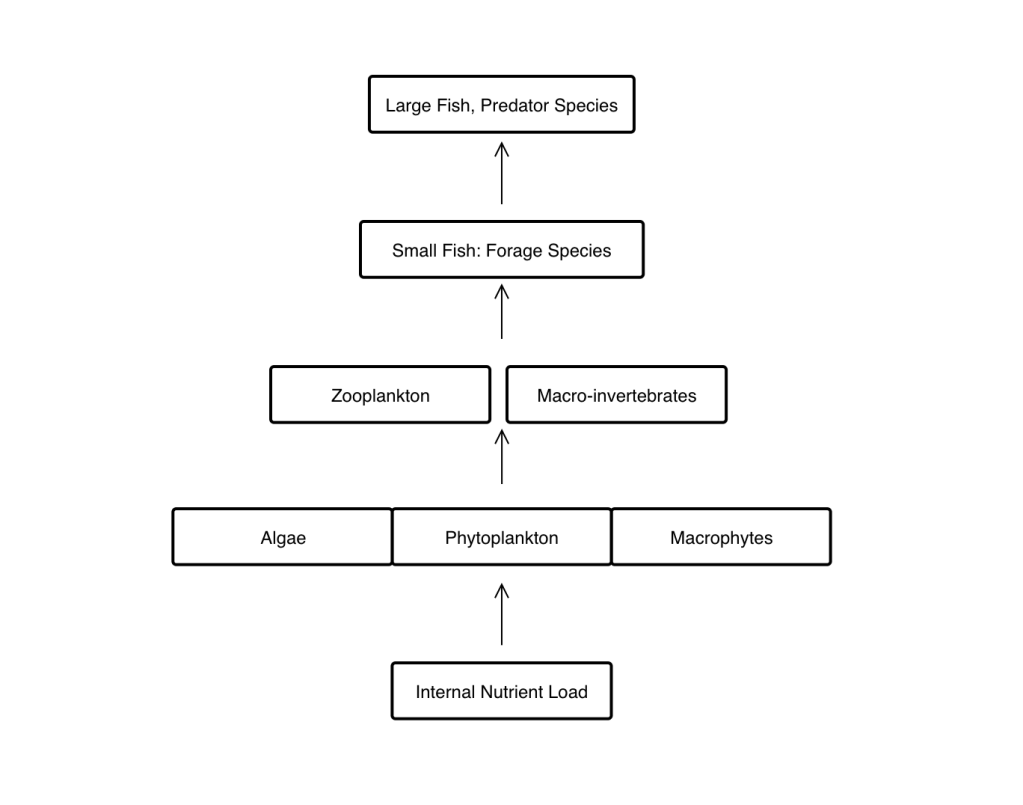
Most private impoundments are closed systems in terms of food webs, meaning they have a limited number of food resources available at any time. Finite resources dictate a carrying capacity, or the total number of organisms that can be sustained by the environment. The same principles that determine how many crops can be planted in a field or the number of livestock a pasture can sustain.
Aquatic carrying capacity is dynamic, it varies in time with the aging and ever-changing environment and its inhabitants. Carrying capacity is determined by limiting factors with the overall size of the impoundment being the most telling. Other limiting factors include dissolved oxygen availability, nutrient levels, food resources and habitat.
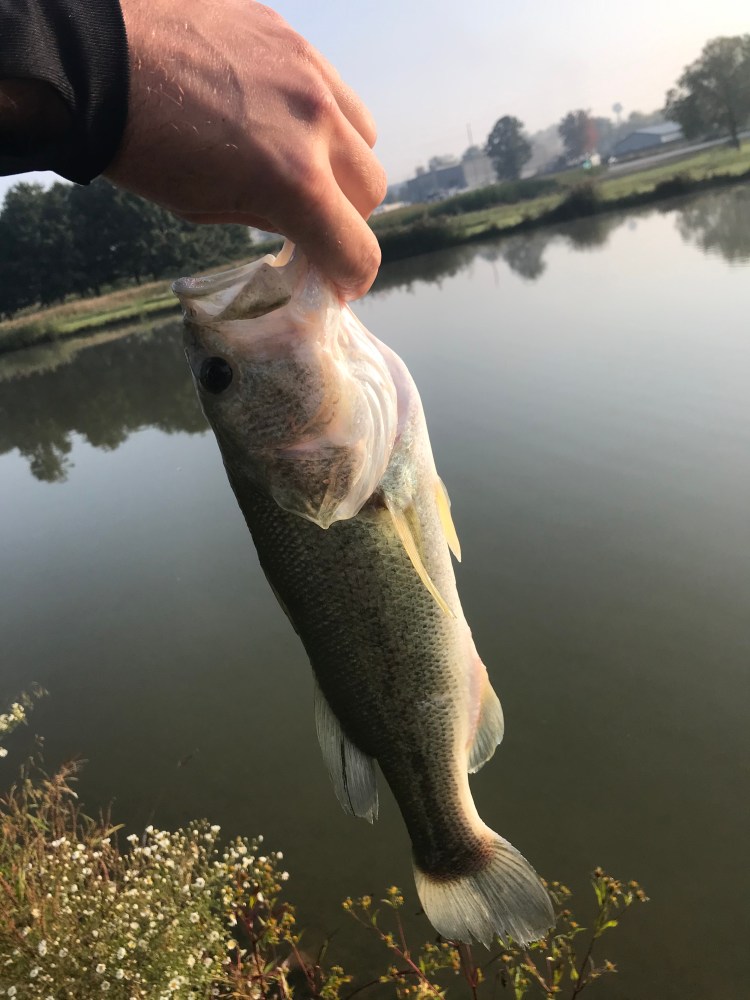
Stunted fish is a sign of an ecological imbalance; over-competition for limited resources.
A skinny Largemouth Bass with a relative weight of 65%
Predator-Prey Ratios are an Important Factor in Fisheries Management
The health and productivity of a fishery is largely dependent on this ratio. The amount of food resources (forage) available to a fish, or age classes of fish, determines their overall health and growth for the year. Stunted or malnourished populations have limited to no overall growth per year and are more susceptible to disease, die-off and other issues. Most fish are capable of surviving off minimal food when necessary but surviving is much different than thriving.
A great representation of this is with the most popular pond fish, the largemouth bass: it takes approximately 10lbs of bluegill sunfish for a largemouth to put on 1lb of mass, not including the energy required to sustain their current weight. That’s close to 500 3-4″ bluegill!
| Forage Species | Predator Species |
| Bluegill Sunfish | Largemouth Bass |
| Redear Sunfish | Smallmouth Bass |
| Fathead Minnow | Crappie |
| Golden Shiner | Walleye |
| Perch | Perch |
| Crayfish | Northern Pike |
| Muskellunge | |
| Channel Catfish |
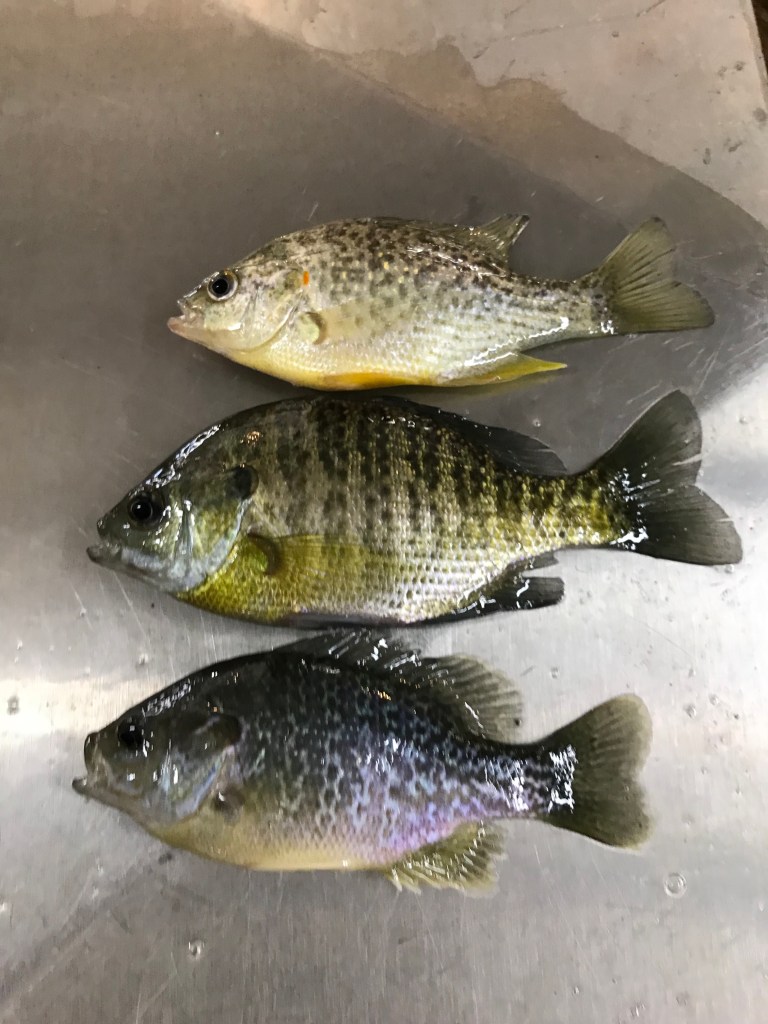
Growth Potential; the range of growth capable within a set amount of time
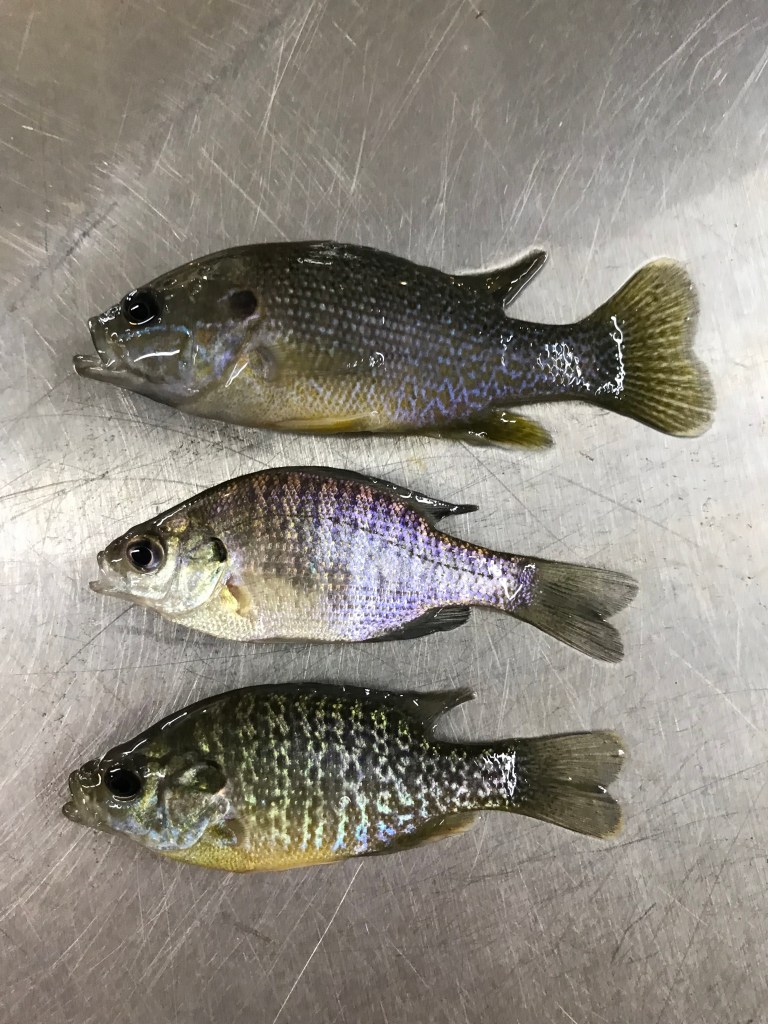
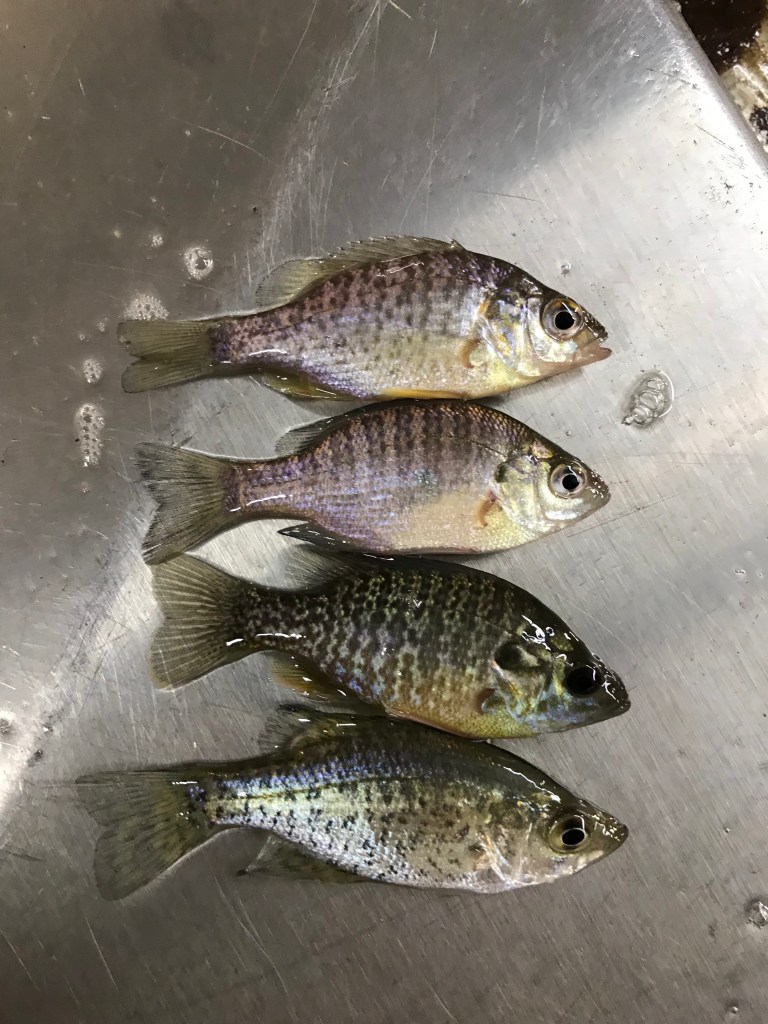
Comparisons below depict brood mates; same age, same pond, same access to resources
The bottom perch is below a healthy average size, the middle is a quality fish at or slightly above a healthy average and the top perch is close to its maximum growth for a single season.

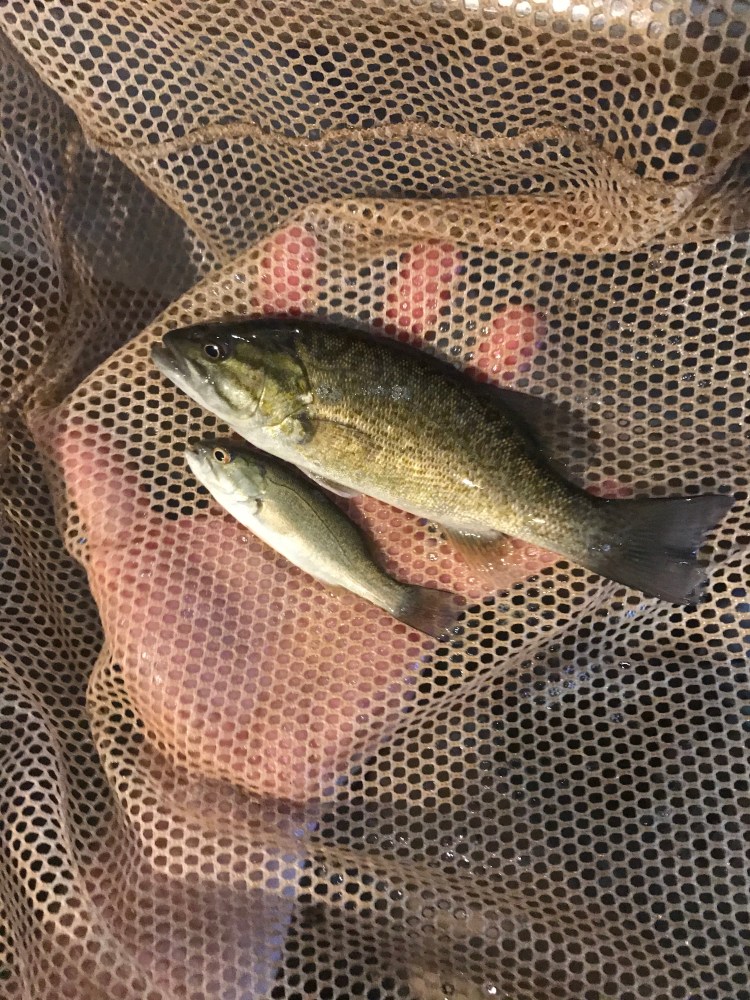
Smallmouth bass well above, and at, or slightly below, a typical average for approximately 7 months of growth.
This extreme example of growth potential (LMB) depicts stunted vs borderline overfed. These bass were stocked, feed-trained, at 6-10″ and kept in the same pond for around 15 months. The pond was a typical production pond, devoid of vegetation and structure for ease of seining/harvest and therefor limited in available natural forage, relying solely on pelletized feed for growth. The above bass was either never truly feed-trained or for some reason reverted away from pelletized feed, subsisting entirely off the minimal natural forage available. With inadequate forage the bass was able to eat enough to survive but without any noticeable growth in over a year.
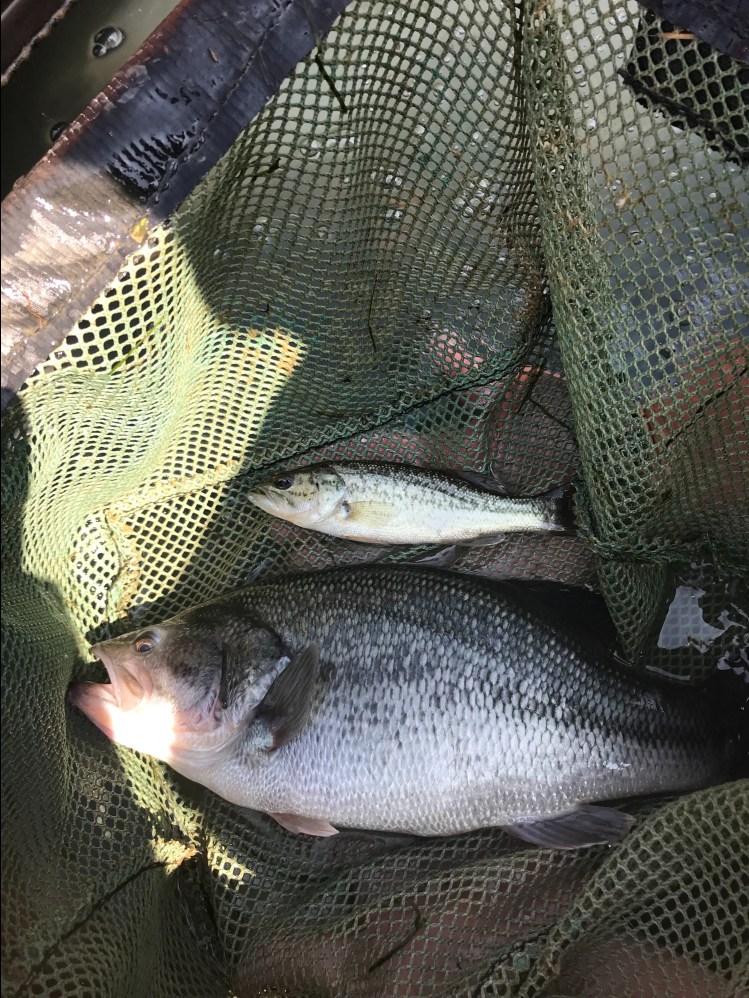
This LMB example came from a production pond with some natural forage (bluegill, redear sunfish) and some marginal shoreline habitat. The bass to the right is not feed trained and subsisted solely off natural forage while the bass to the left prioritized pellets.
Two Common Scenarios in Private Ponds:
Stunted Largemouth
The majority of ponds i’ve seen with stunted LMB lack adequate habitat. When you lack adequate habitat for forage species, the newly hatched young of the year get predated before they can reach a size that energetically benefits the bass. Habitat is a vital link in producing and growing forage for top-end predators, among other benefits.
Stunted Bluegill
Bluegill populations can get out of balance when there is an overabundance of aquatic vegetation for consecutive years. The thick growth limits the successful hunting of LMB and produces abundant forage for bluegill, allowing them to outgrow the bass and resulting in more bluegill and smaller, hungrier bass.
Management Options
Harvest
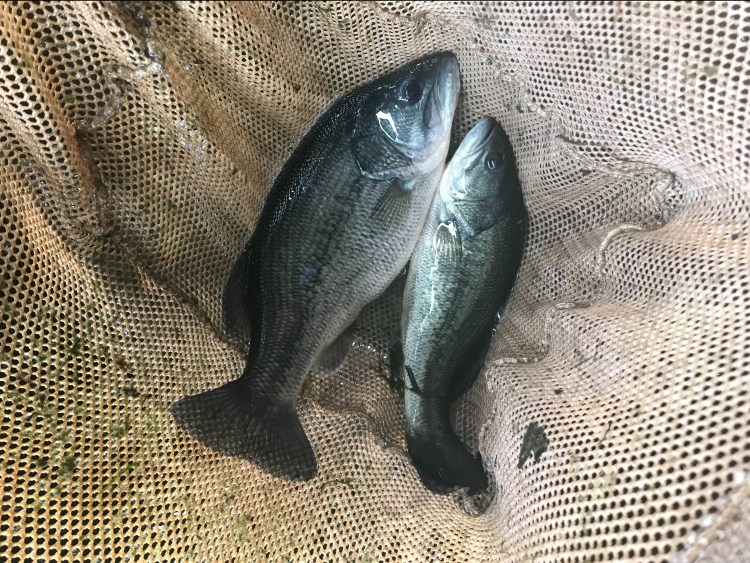
Harvest is simply resource allocation; reduce population numbers to limit competition. Reducing competition provides more resources for the remaining fish and takes pressure off forage populations. When forage populations have less pressure they can proliferate, compounding the benefits by providing even more food resources.
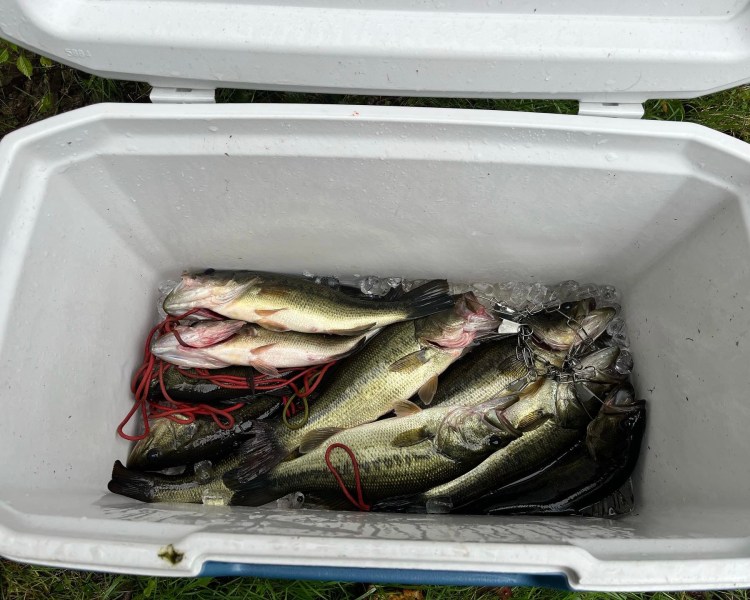
Harvest can be done via rod and reel, seine/netting or electrofishing. The size of the impoundment, total harvest goal, budget and other factors can determine which is most appropriate.
Record your catches! Keeping track of harvested fish will allow you to track your progress and provide a baseline for future reference.
To maximize the benefits of harvest, consider harvest selection via relative weight. Relative weight is the length/weight ratio of the individual, providing a good gauge for current health. By selectively harvesting fish based off relative weight (and not length alone) you can promote the most fit individuals, regardless of age class.
Habitat Additions
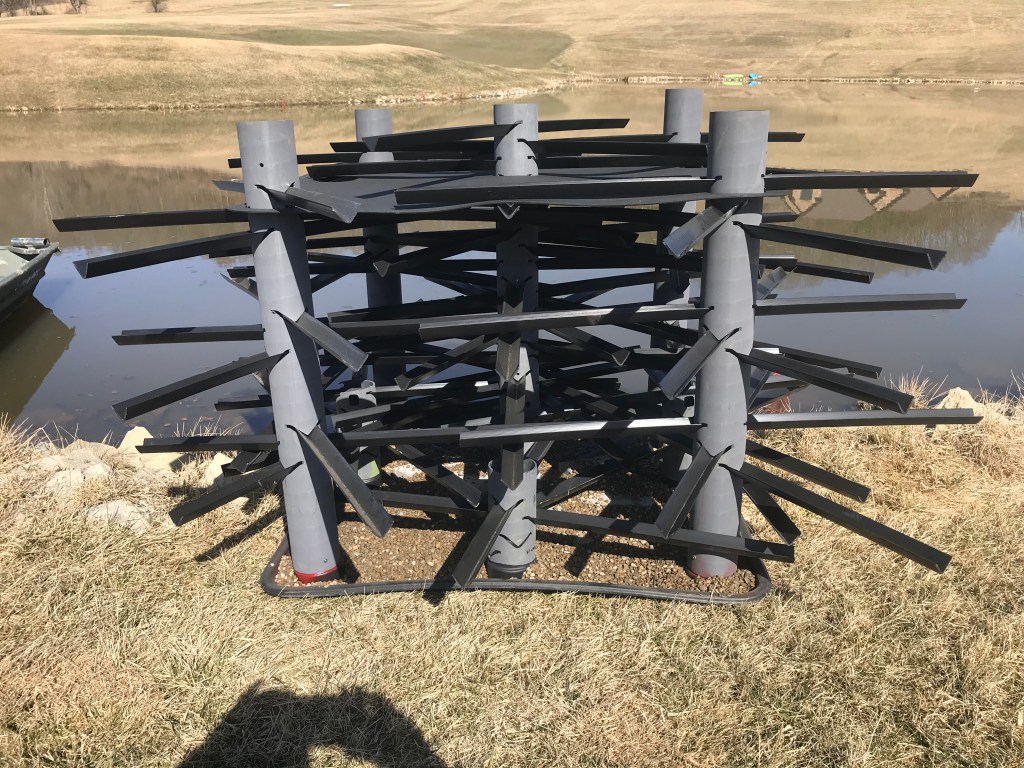
The addition of artificial habitat, rock piles, brush piles and promoting areas of native vegetation are all great ways to produce and promote more forage and subsequent growth in a fishery. These structures provide food and shelter for forage species and young of the year, improving the overall productivity of the impoundment and resulting in more growth at every trophic level.
More info on Aquatic Habitat.
Supplemental Stocking
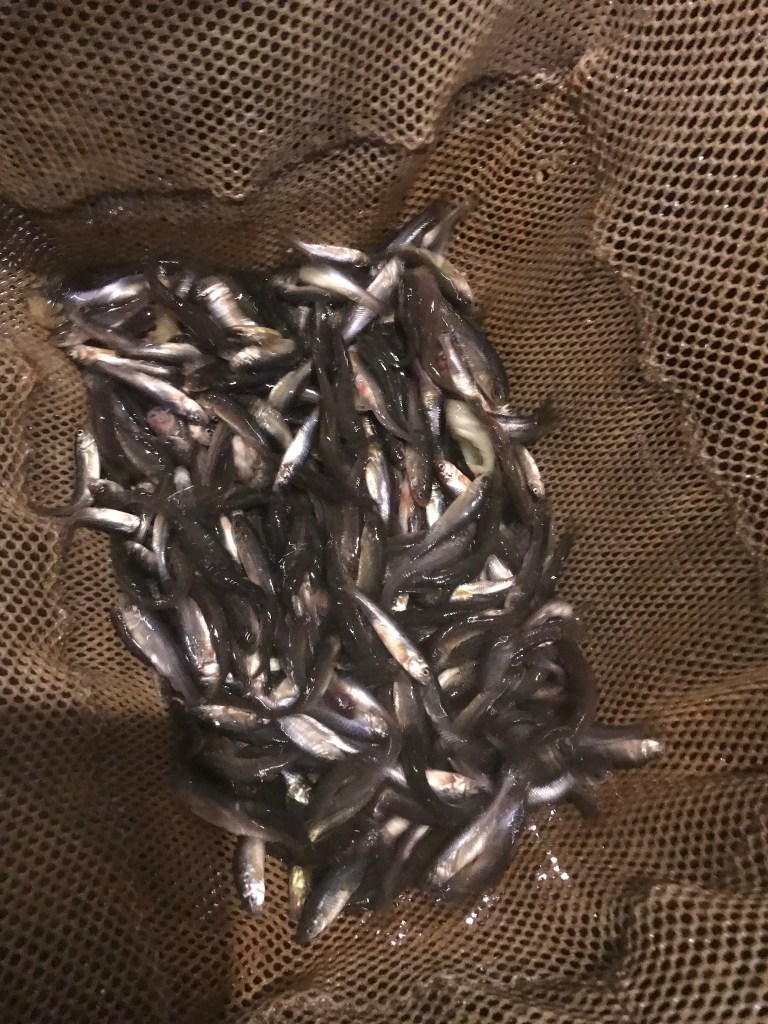
Supplemental stocking can be a great way to introduce new species (promote biodiversity) and or bolster current populations. This should be the last step in improving most fisheries, after successful harvest and habitat improvements, as necessary. Adding more fish to an impoundment with limited habitat or excess predators will not yield any lasting improvement.
Conservation Hunting Model as an Analogue for Conservation Fishing
Conservation hunting is a management strategy that revolves around the sustainable harvest of certain species to fund and promote overall ecosystem improvement, protection and sustainability. Harvest rates are determined by carrying capacity, population densities, predator/prey ratios, individual health and other related factors. The selective harvest of certain species ensures the populations remain at healthy, sustainable levels and can help prevent ecosystem damage from over-grazing and the spread of disease. Conservation hunting is a common approach in South Africa where it has enabled private and public organizations to protect large swaths of land containing some of the most at-risk wildlife species such as the critically endangered Black Rhino, White Rhino and African Elephant among the thousands of other plant and wildlife species that inhabit those wild areas.
Conservation fishing follows the same basic principle of commodifying the ecosystem for its protection and sustainability while providing an incentive for improvements. Fishing is an increasingly popular activity, highlighted by a recent study by Statista, “Around 58 million Americans flocked to the nation’s waterways to engage in freshwater, saltwater, and fly-fishing activities in 2023. This represented the highest U.S. fishing participation rate in over a decade. Meanwhile, the market size of the U.S. fishing industry, measured by revenue, exceeded nine billion U.S. dollars in 2023″. They further state the prevalence of freshwater fishing, “Freshwater fishing has long been the most popular fishing activity among recreational anglers in the United States. In 2023, there were nearly twice as many freshwater fishing participants in the U.S. compared to the overall number of saltwater participants and fly-fishing participants.” This presents an incredible market that is vastly underutilized by private pond owners.
https://www.statista.com/topics/1163/recreational-fishing/#topicOverview
FishMySpot is a company based in Ohio that provides a platform for connecting anglers and pond owners. They enable the pond owner to set their own rules and regulations for usage in an easy to use format that keeps both parties informed and insured. Fishmyspot can be a great way to increase the usage and profitability of an impoundment which can help toward its management and improvement.
Common Pond Species
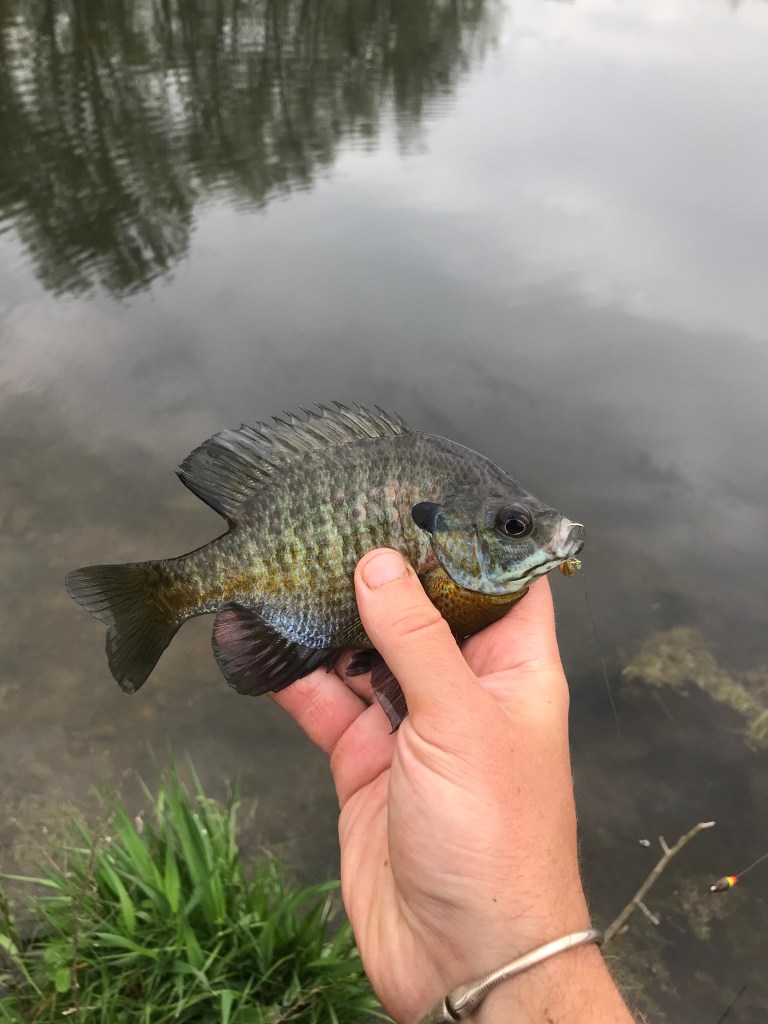
Bluegill Sunfish
Lepomis macrochirus
Bluegill are the powerhouse of most fisheries as their quick growth and reproduction can support populations of predator species. Bluegill are perfectly adapted to impounded water and feed mainly on macro-invertebrates, plant matter and small fish.

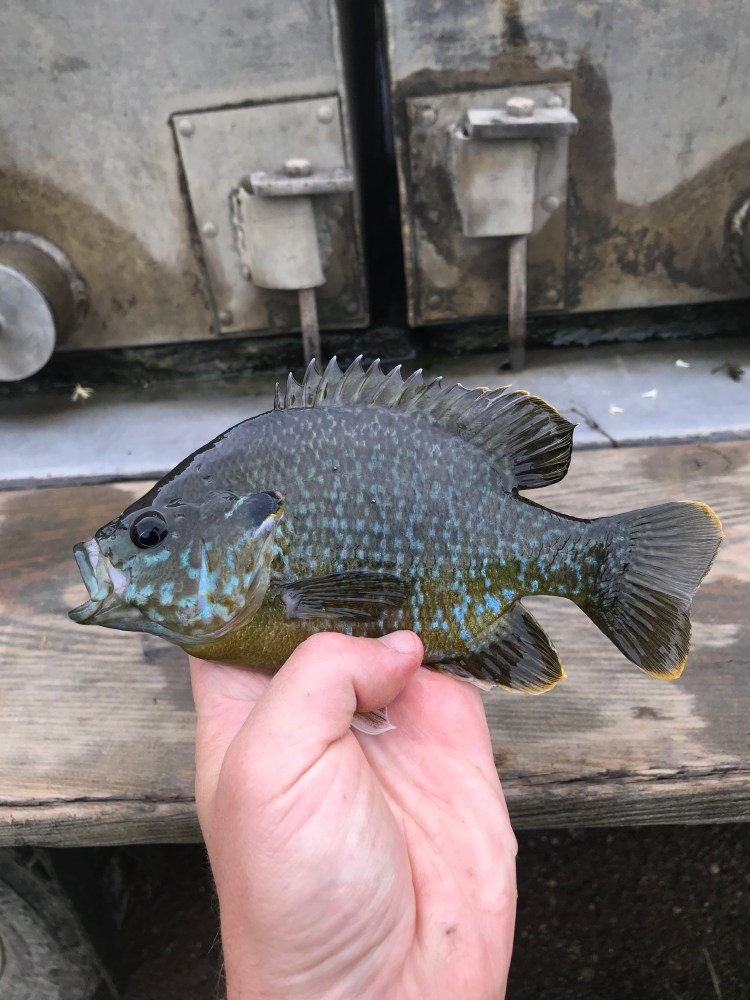
Redear Sunfish (Shellcracker)
Lepomis microlophus
Redear sunfish aren’t as reproductively successful as bluegill sunfish but make a great addition to ponds. Redears can reduce parasite levels and increase angler interest and table fare.
More Info under Fish Parasites
Hybrid Bluegill
L. macrochirus x L. cyanellus
All members of the Lepomis genus can hybridize naturally but the ‘standard’ hybrid for pond stocking is between the bluegill sunfish and green sunfish. Hybrids typically have limited reproductive success but make a great addition to increase harvest, improve catch ratios and for ponds geared towards younger anglers as their aggressive feeding makes them fun and easy to catch.
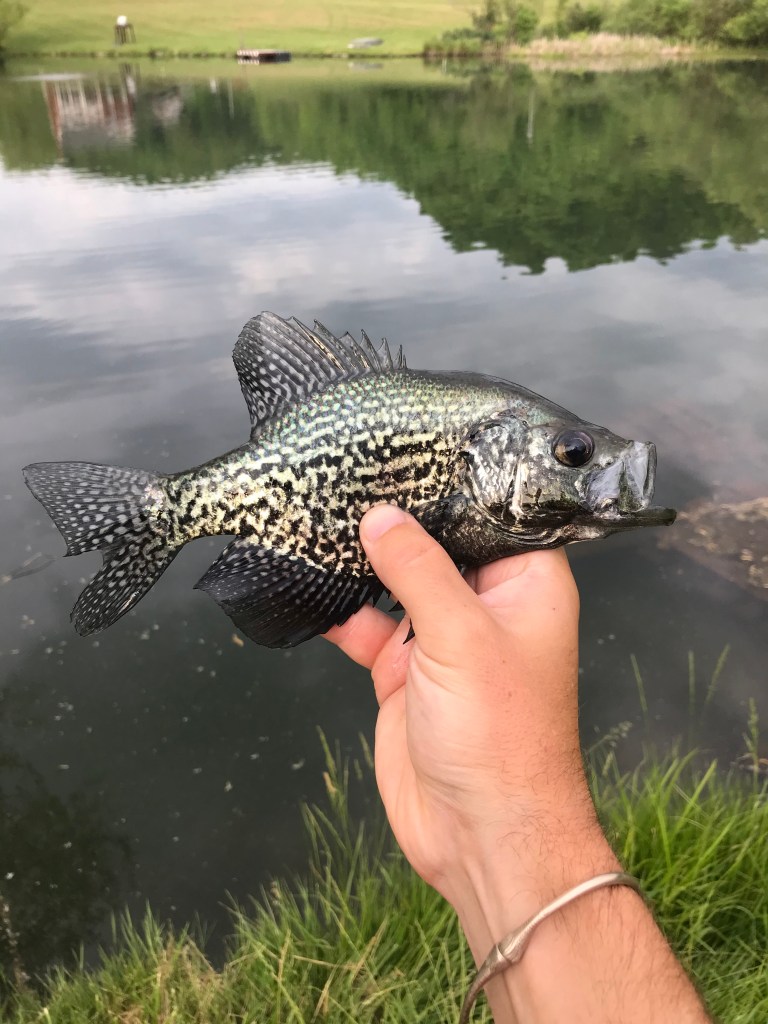
Black Crappie
Pomoxis nigromaculatus
Black crappie are typically preferred over white crappie (Pomoxis annularis) in private impoundments. They relate well to vegetative cover and are thicker bodied, making them better for harvest. Crappie reproduction is cyclical where some years have little to no annual recruitment and other years a massive boon.
Largemouth Bass
Micropterus salmoides
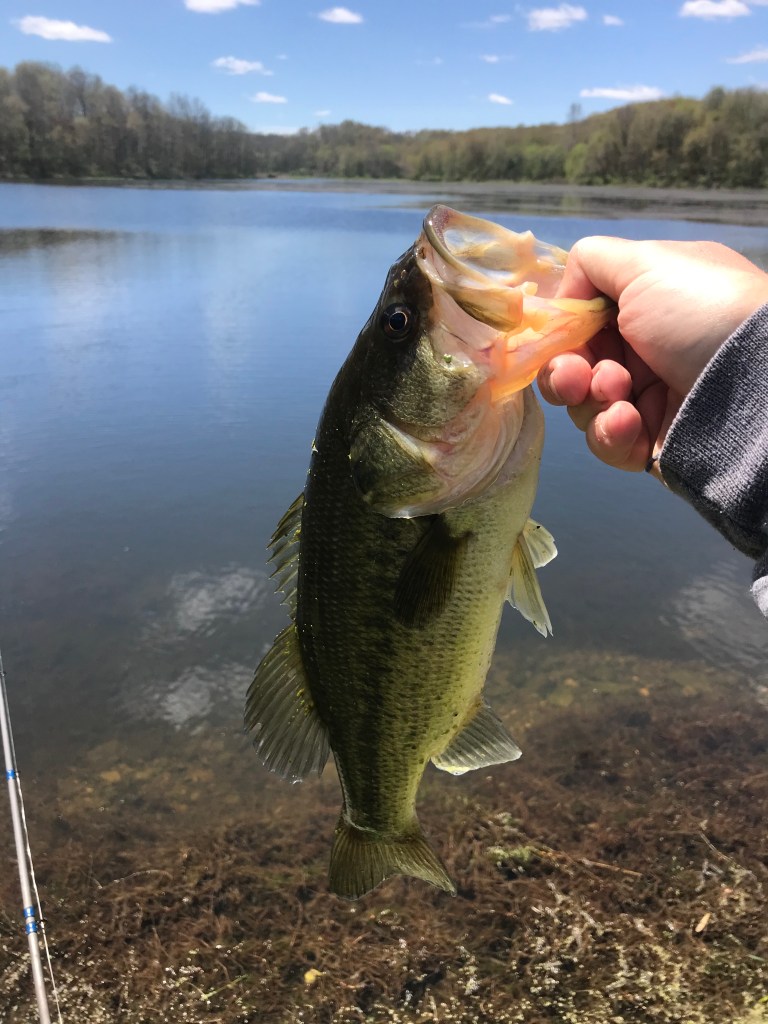
The most sought-after freshwater sport fish in the United States, largemouth are perfectly adapted pond predators. With a voracious appetite and tremendous growth potential, these fish have been stocked in impoundments all over the U.S. for recreation and food.
Smallmouth Bass
Micropterus dolomieu
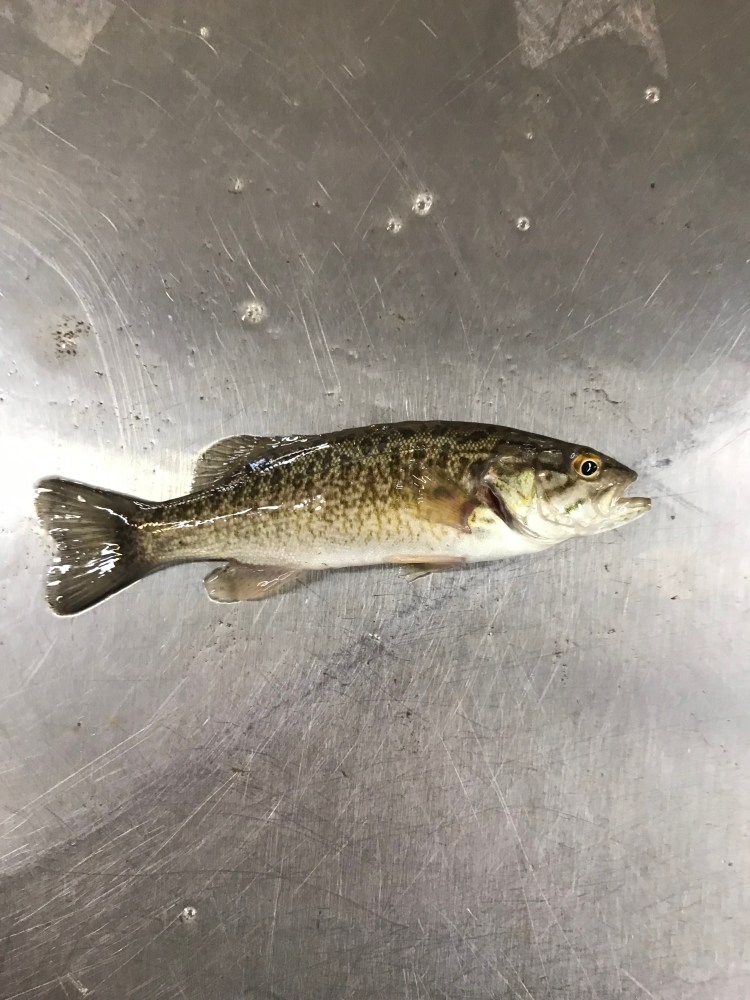
Smallmouth bass do well with access to cooler, deeper water as compared to largemouth. Their biggest flaw for ponds, in my opinion, is because physiology limits their effectiveness in predating compressiform fishes; ie bluegill sunfish and shellcracker. Smallmouth are notorious crayfish predators and benefit in impoundments that can sustain them.
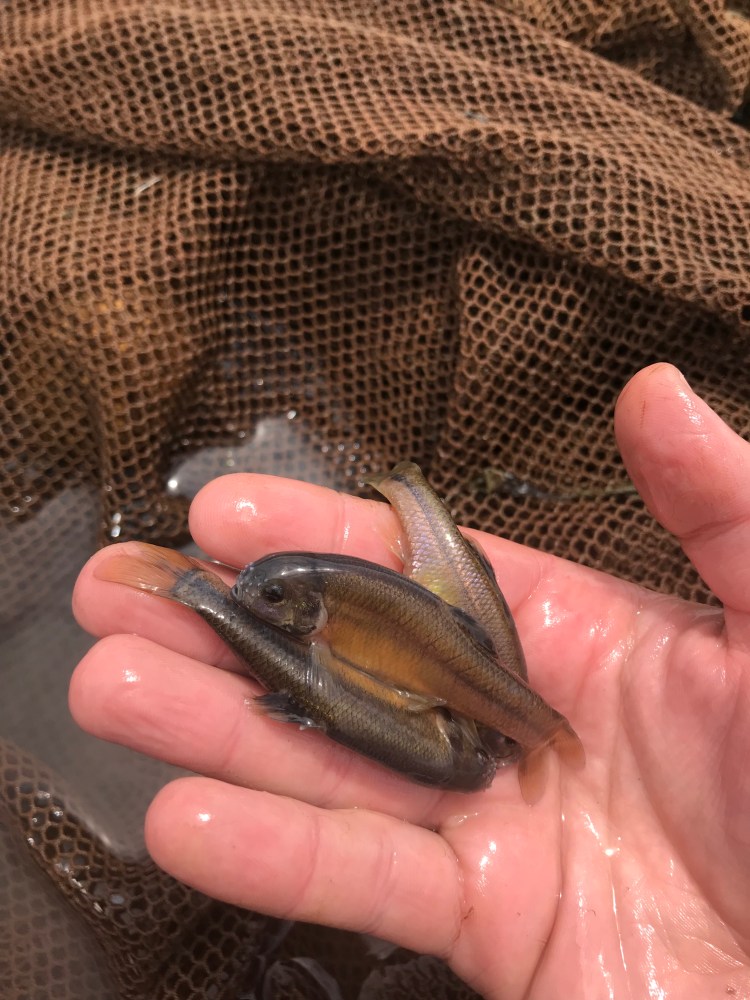
Fathead Minnow
Pimephales promelas
Fathead minnows are a true forage species, turning macro-invertebrates and zooplankton into desirable forage for larger fish. They are scatter spawners, meaning the female will lay small batches of eggs every 1-2 weeks while water temperatures are above 60*F. The eggs are laid on the underside of habitat (vegetation, sticks, rocks etc) and tended by the male until hatched. Habitat quality has a direct impact on spawning success; if eggs are laid in an open area then he will most likely get predated or abandon the nest.
Yellow Perch
Perca flavascens
Perch are more piscivorous than other forage species but are often a preferred forage for apex predators. Perch are one of the first pond species to hatch in the Spring with spawning occurring in water temps as low as 44*F.
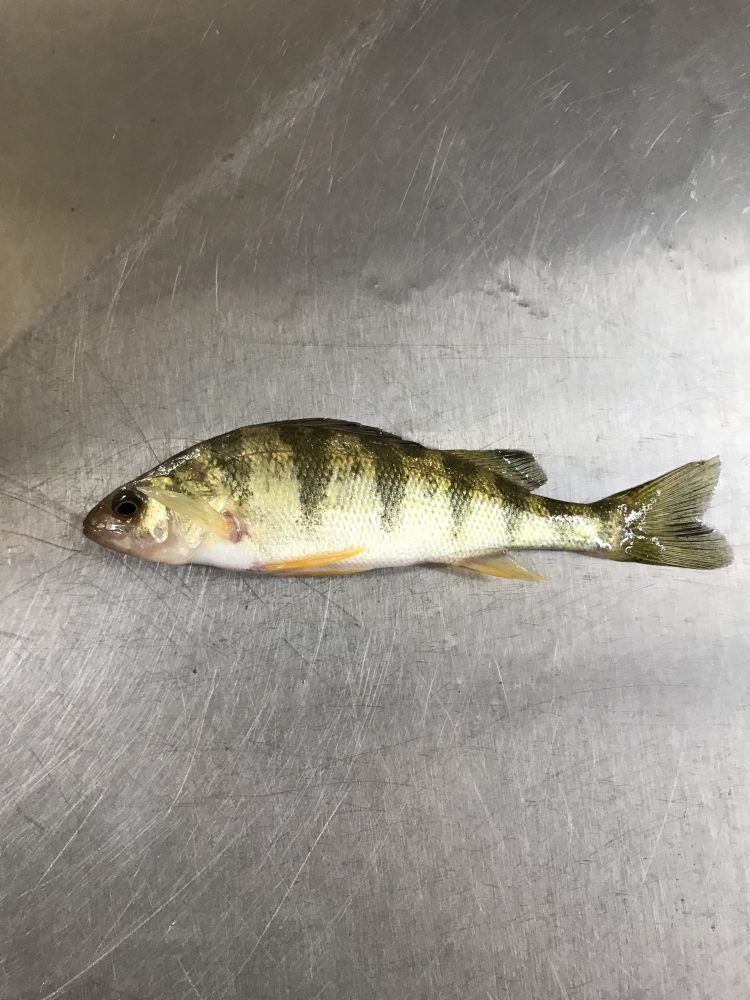

Walleye
Sander vitreus/Stizostedium vitreum
Walleye typically can’t reproduce in smaller impoundments and are often stocked for intended harvest. They do well in colder climates, making them a good choice for northern ponds and when ice fishing is a goal.
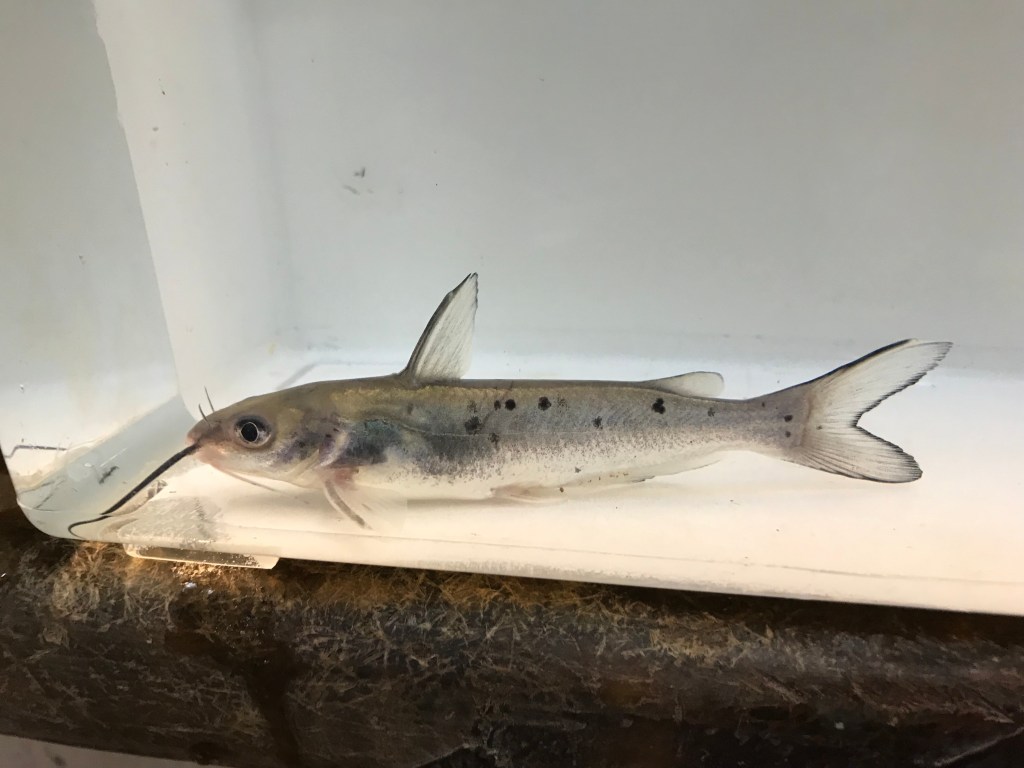
Channel Catfish
Ictalurus punctatus
Channel catfish are common additions for both recreation and harvest. Channel cats are cavity spawners and need an excavated or sheltered area for successful reproduction.
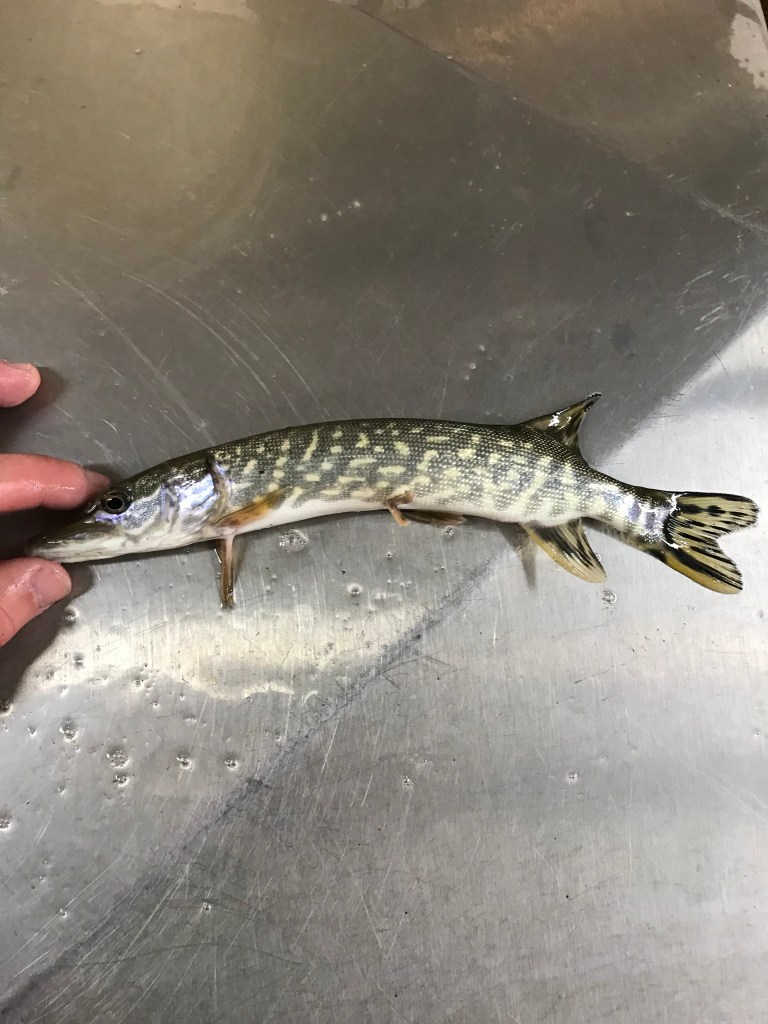
Northern Pike
Esox lucious
Northern pike are voracious predators capable of rapid growth and can reach lengths of 30″+ in a handful of years. Like their name suggests they do best in colder climates but can do well in small impoundments with access to deeper/cool water. Northerns can be stocked to reduce bass and bluegill populations, for angling interest and table fare. Successful reproduction in ponds is variable but not uncommon.
Muskellunge
Esox masquinongy
The largest predator listed, Muskie grow quickly and require large amounts of space and forage, especially as they mature. Muskie are most often stocked as a trophy fish and for heavy predation of other species.
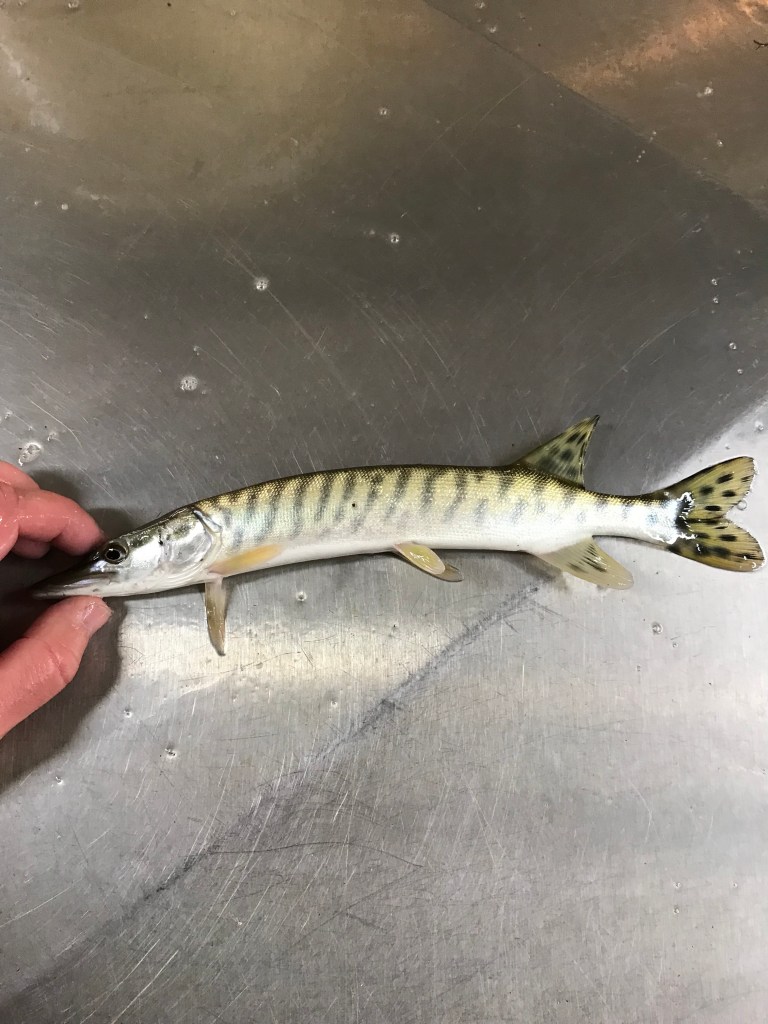
Tiger Muskie
E. lucious x E. masquinongy
Sterile, fast growing hybrid of pike and muskie.
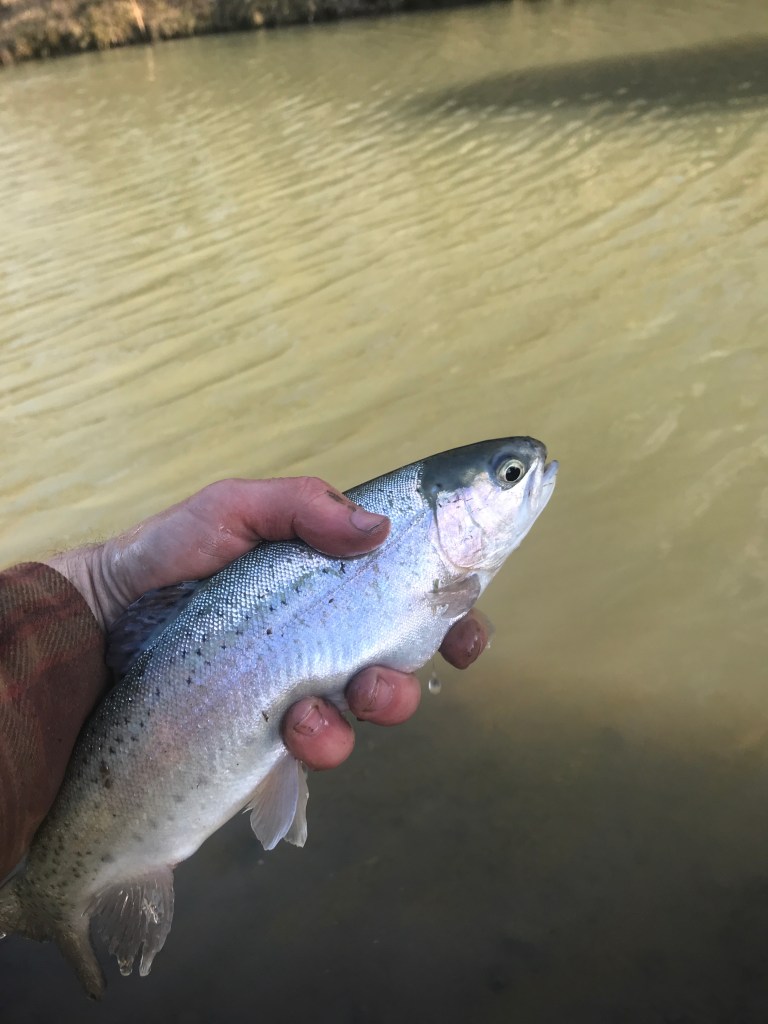
Rainbow Trout
Oncorhynchus mykiss
Rainbow Trout require cooler more oxygenated water than most ponds can sustain so are best stocked in Fall or Spring with intent to harvest. Trout can grow well through the colder months but begin to stress as waters warm into summer. July/August are typically fatal months for trout in most ponds in Ohio. They provide seasonal interest, angler engagement, excellent table fare and seasonal forage for large apex predators.
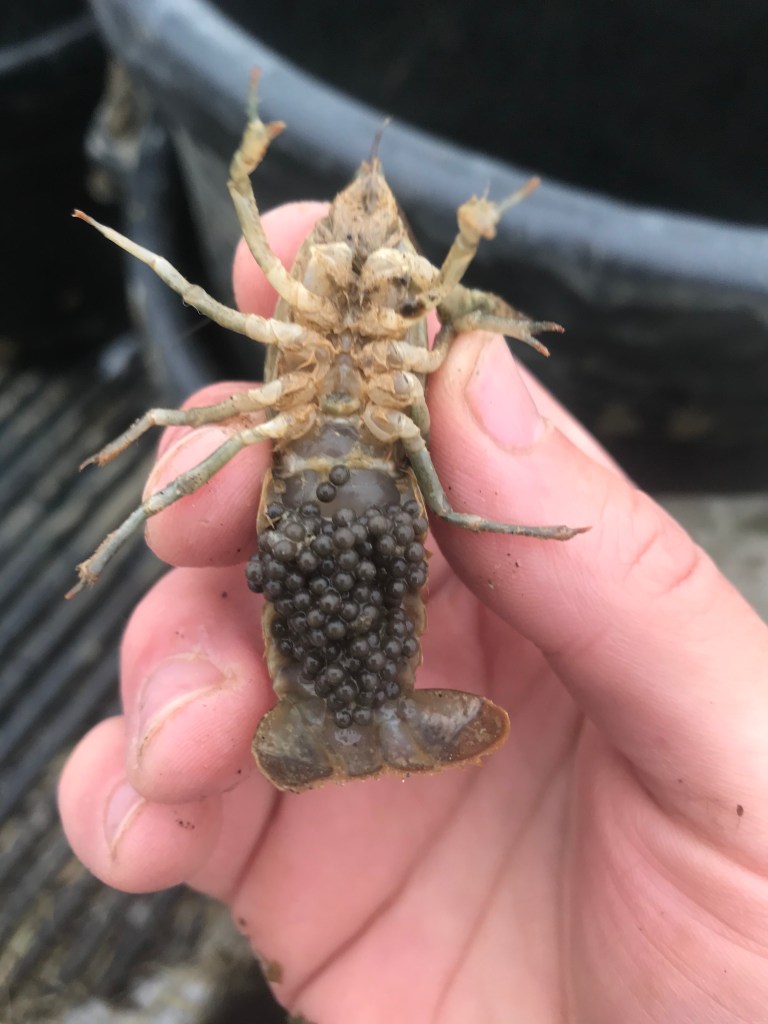
Crayfish
Various species
While not technically a fish, crayfish are a pond inhabitant that can be promoted for increased forage, biodiversity and nutrient recycling. Crayfish are omnivorous and will readily consume dead and decomposing matter. Crayfish populations respond well to habitat additions, rip-rap and other rocky material.
Nonnative Fish Species
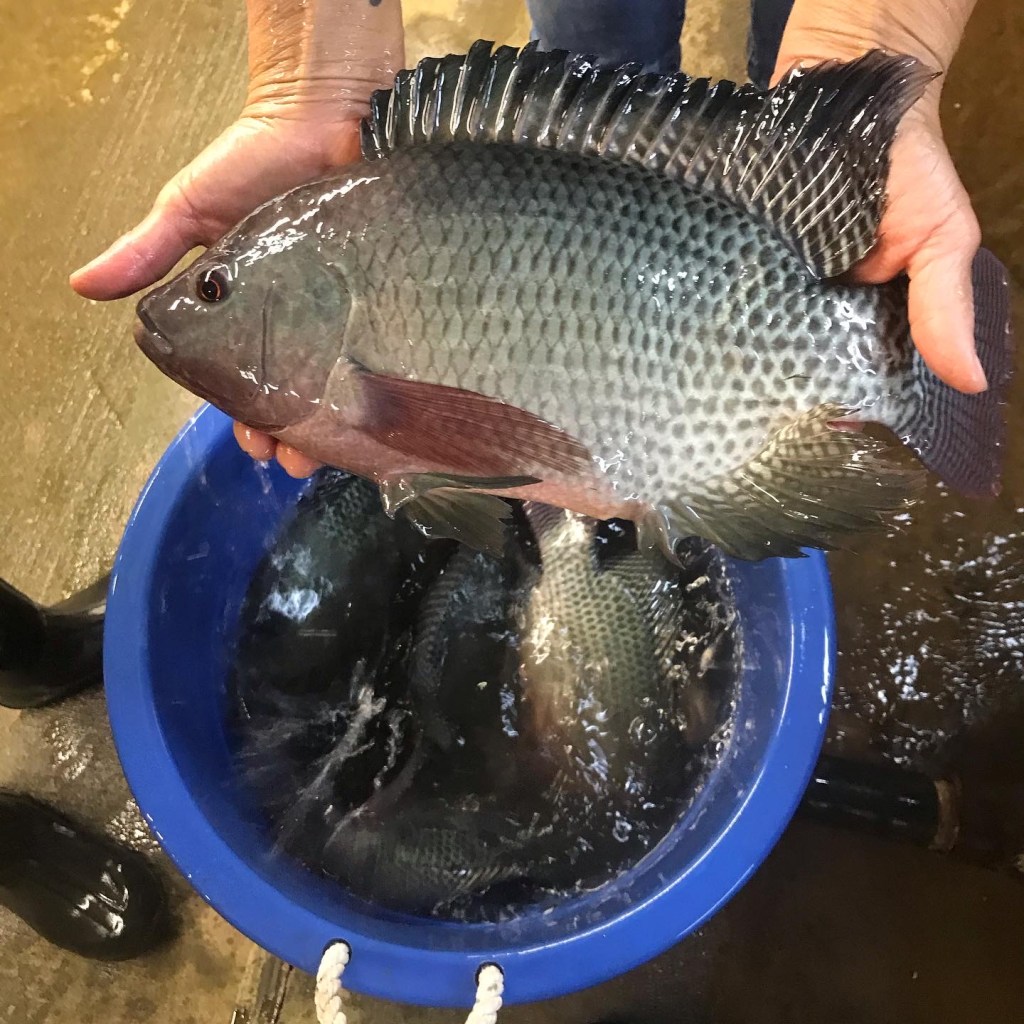
Tilapia
Oreochromis spp
Tilapia are a warm-water herbivorous fish utilized for vegetation control and increased seasonal forage. They become sluggish around 65*F water temps and cannot survive below 55*F. Tilapia are quick growing and highly reproductive, capable of spawning every 21 days.
White Amur, Sterile Grass Carp
Ctenopharyngodon idella
White amurs are a great option for biological control of aquatic vegetation. They are long-lived, an average of 20+ years, and consume large amounts of vegetation, including: algae, macrophytes and anything accessible on the shorelines. Sterility ensures they cannot become an invasive pest and furthers their usefulness as a natural management strategy.
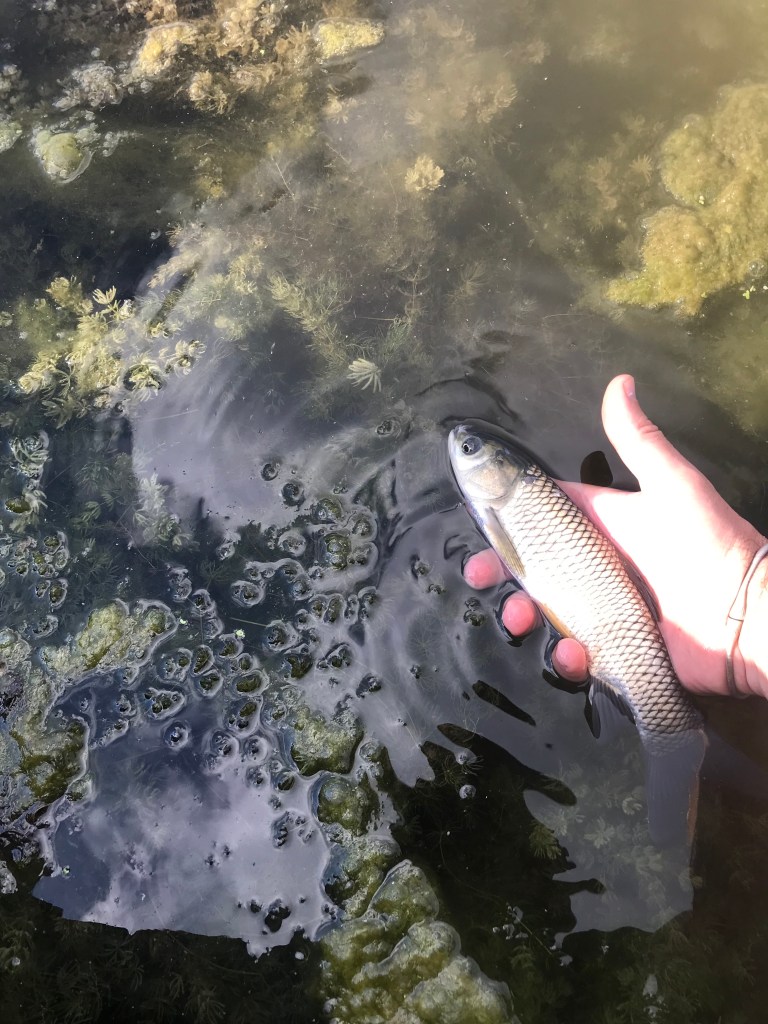
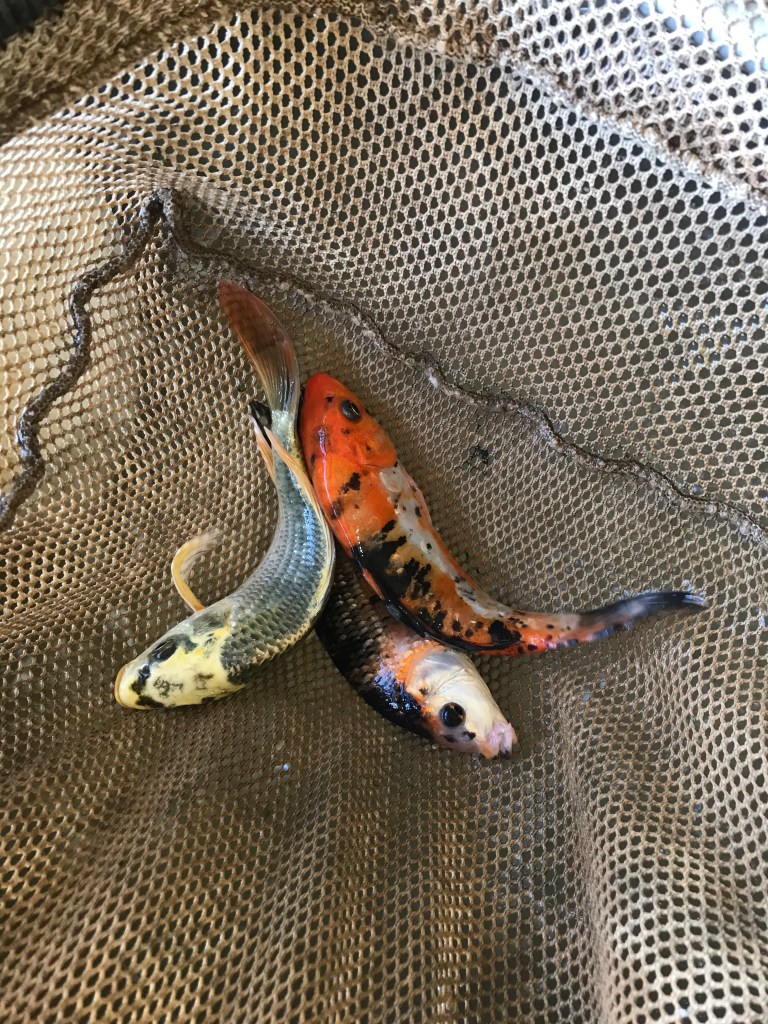
Koi
Cyprinus rubrofuscus
Koi are benthic omnivores, eating anything they can find but primarily targeting vegetation and plant matter. Koi can exhibit a variety of colors and patterns and are most often stocked for decoration. Koi can successfully reproduce in small impoundments but annual recruitment is often null in the presence of gamefish populations.
Goldfish
Carrassius auratus
Yes, your pet goldfish can become a giant with enough time and access to food. Goldfish, like koi, will propagate quickly in weed-choked environments and in the absence of predator species. Goldfish are often stocked for decoration and subsist mainly off aquatic vegetation but will opportunistically predate nests and small fish.
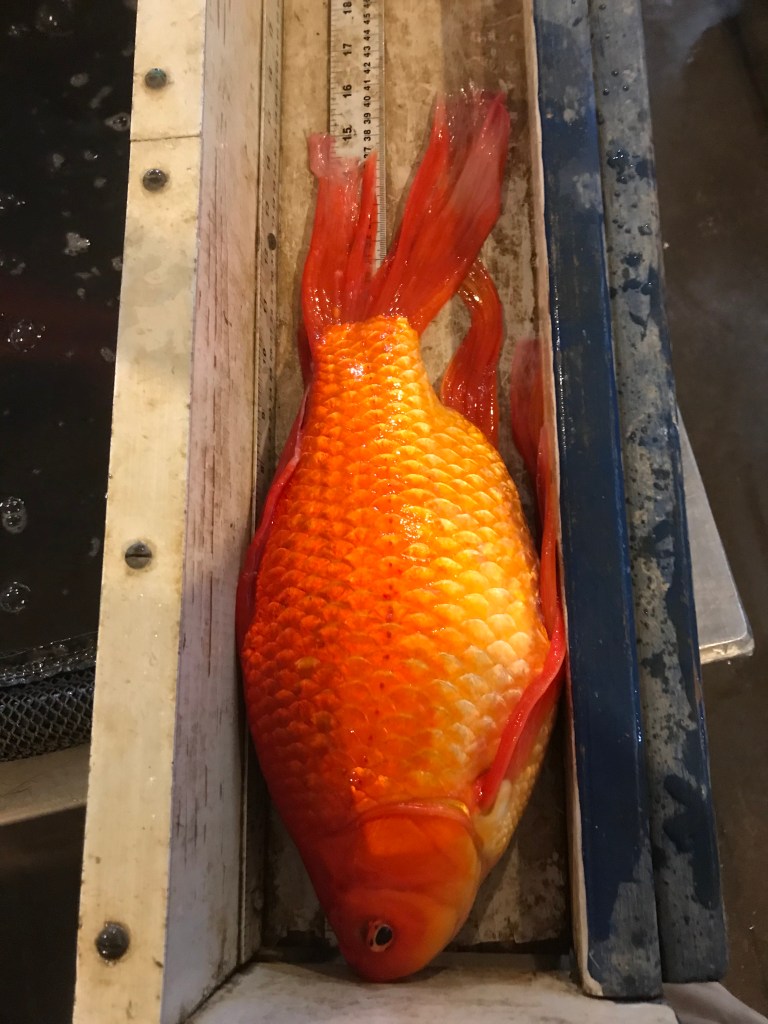
Thanks to Fenders Fish Hatchery, Baltic, Ohio, for a great supply of healthy fish to photograph.
Fish Parasites
Parasites can manifest themselves in all species of fish regardless of age, size or relative health. The presence of parasites are fairly common and only fatal in rare, very severe infestations. All three of the worm species below have a very similar life cycle with multiple hosts. The addition of Redear Sunfish aka “shellcrackers” (Lepomis microlophus) is the best form of preventative maintenance when dealing with parasites. Shellcrackers get their monicker from targeting their main food source, snails. Stocking Redears limits snail populations, reducing a vital link in the parasitic life cycle. Fish already encysted with worms will not be affected but the number of new infections will drop significantly if a population of Redears are successfully established.
Common Aquatic Parasites
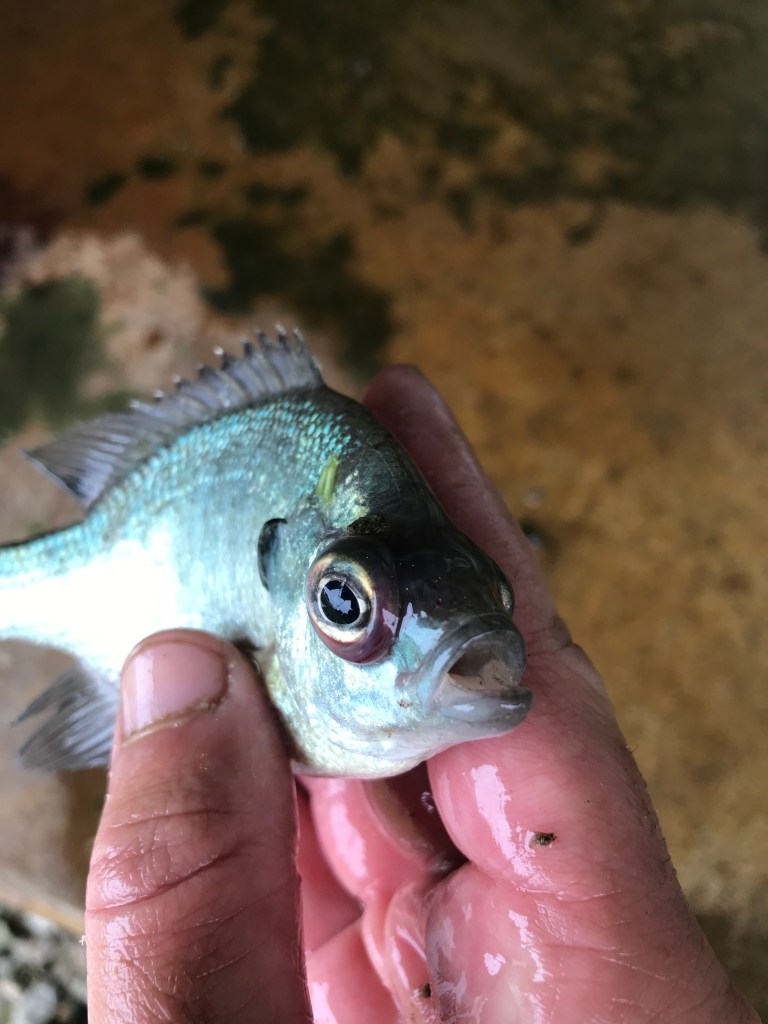
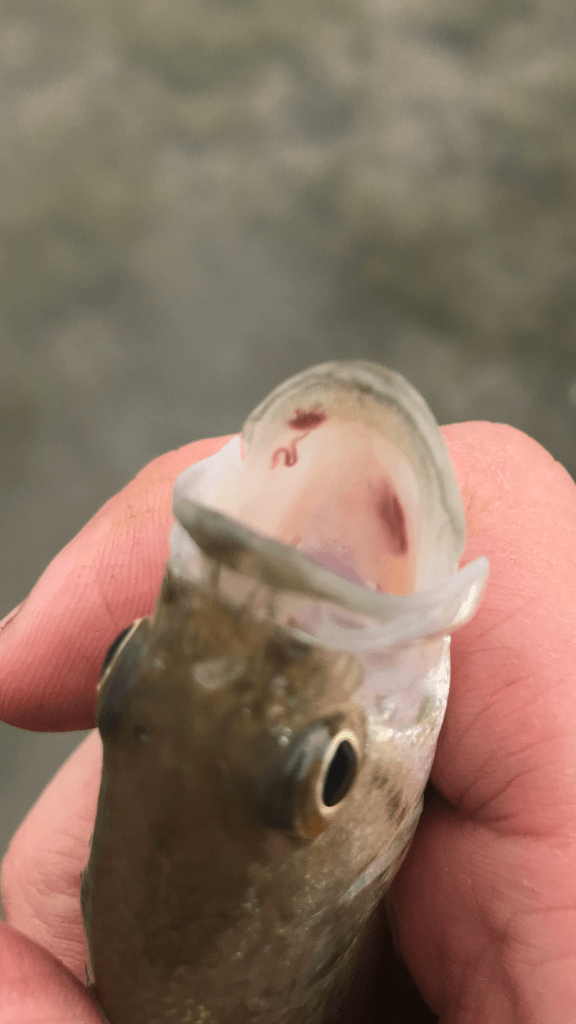
“Red worms”
(Eustrongylides spp)
These roundworms, species of nematodes, can migrate throughout a fishes body but are most often found in the soft tissue around the mouth or the gut cavity. While most parasites cause little harm to fish in small numbers, roundworms that colonize the eye(s) will result in significantly higher fish mortality.
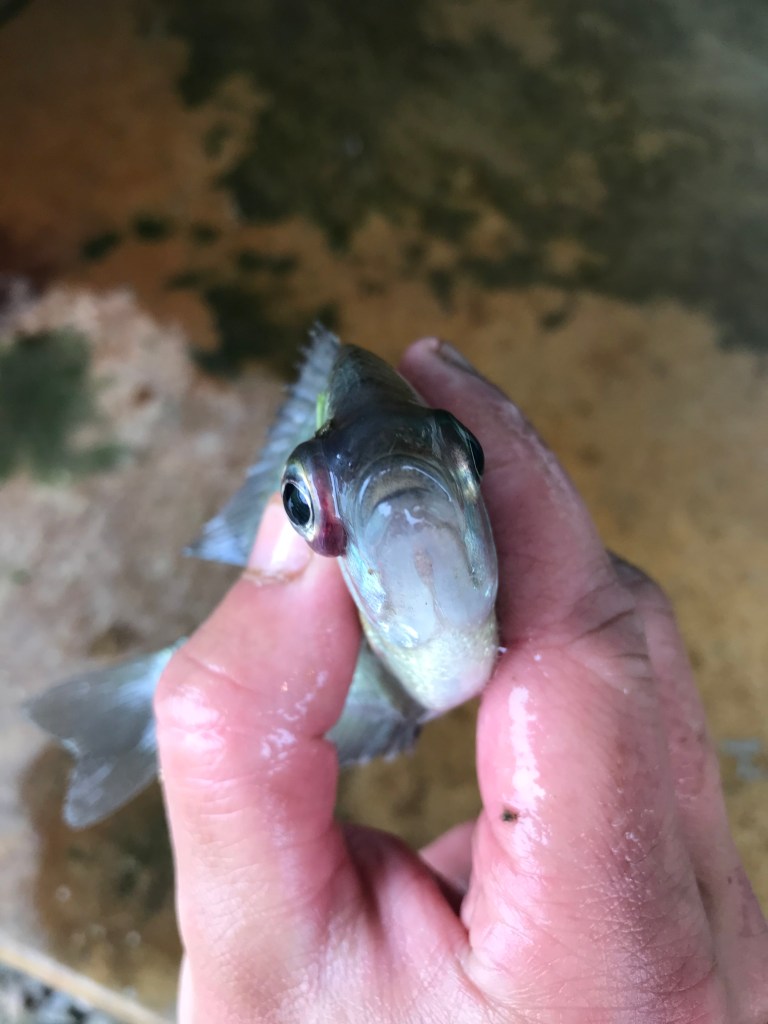

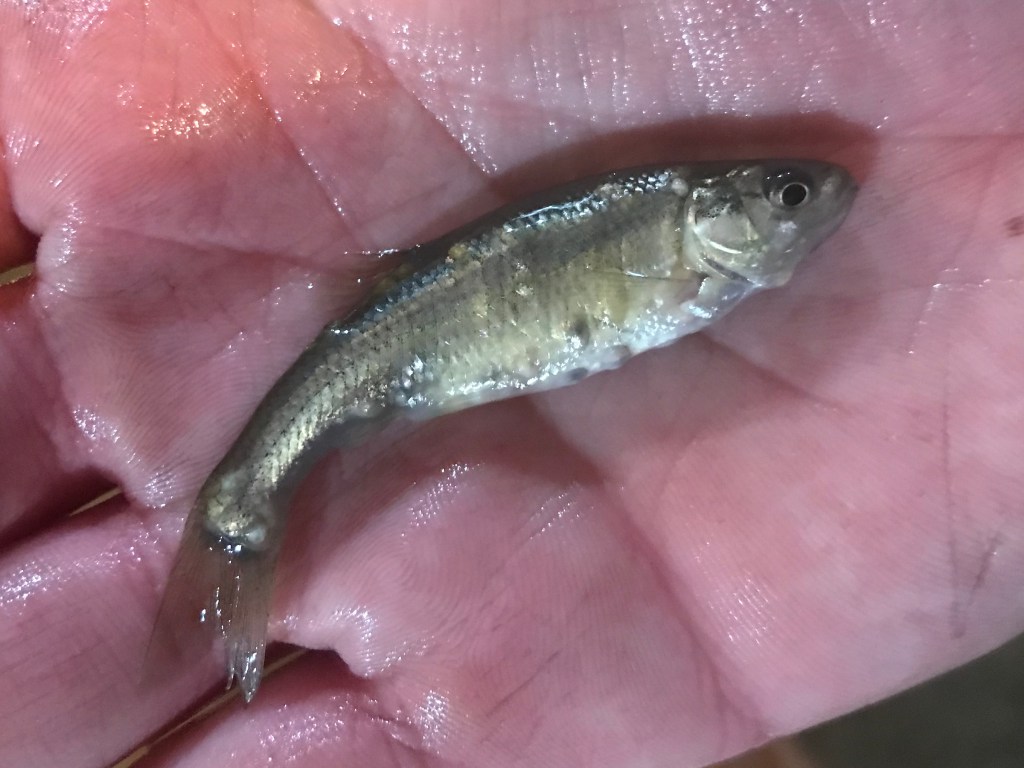
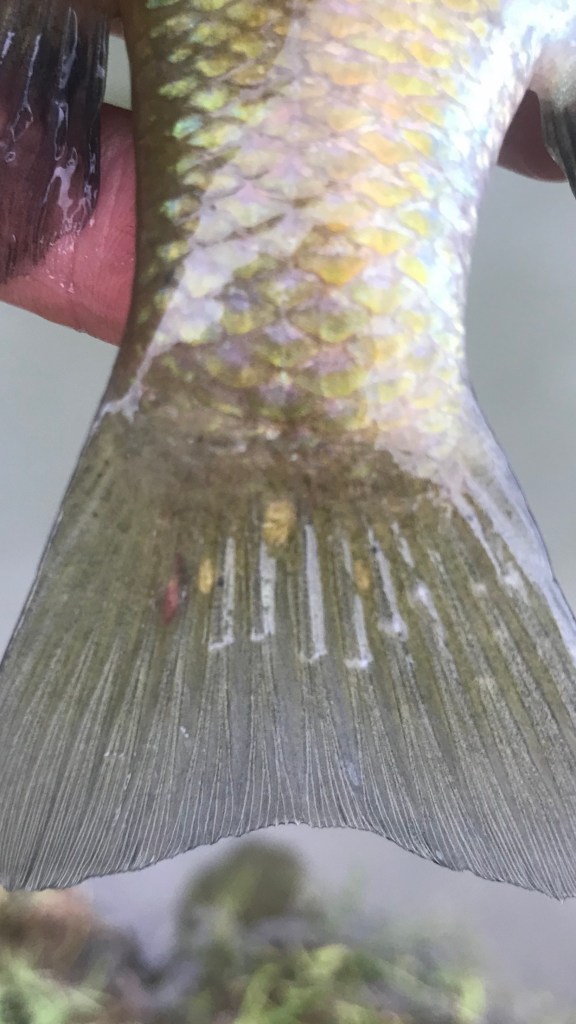
“Yellow grub”
(Clinostomum marginatum)
A fluke parasite, most commonly found in cyst form, but can migrate from the host after it dies.
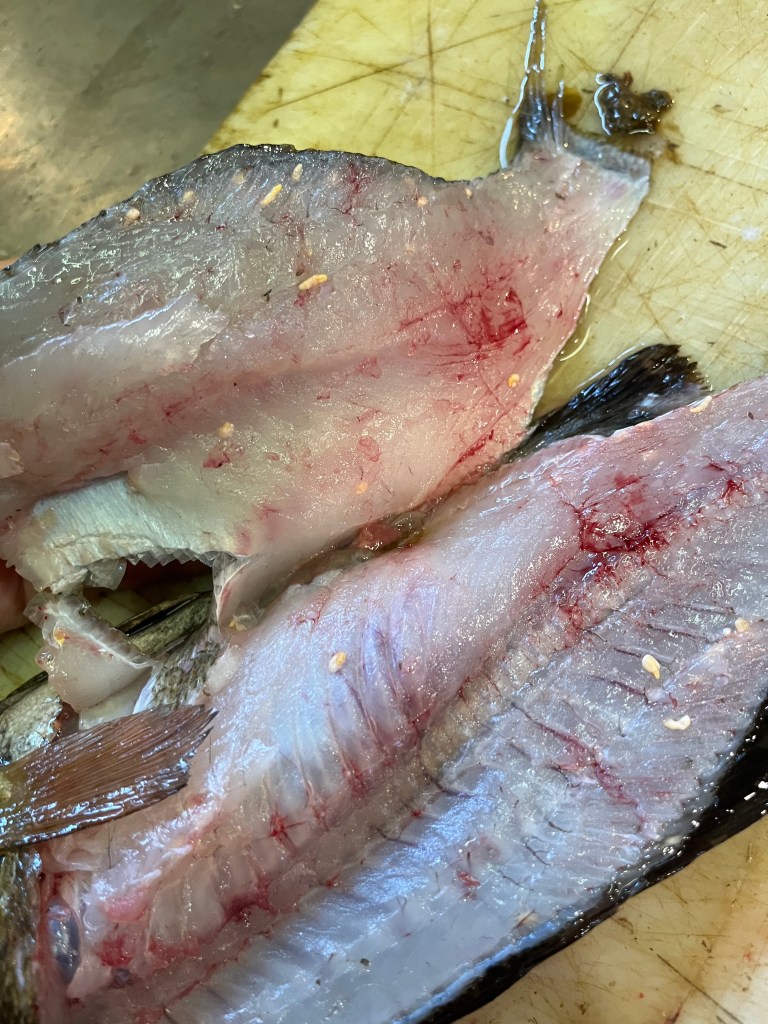
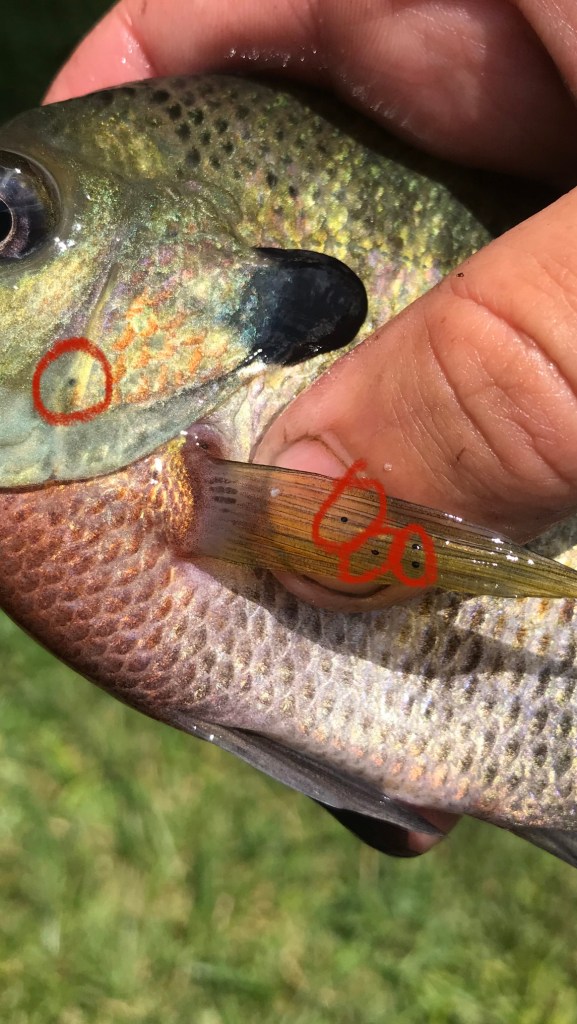
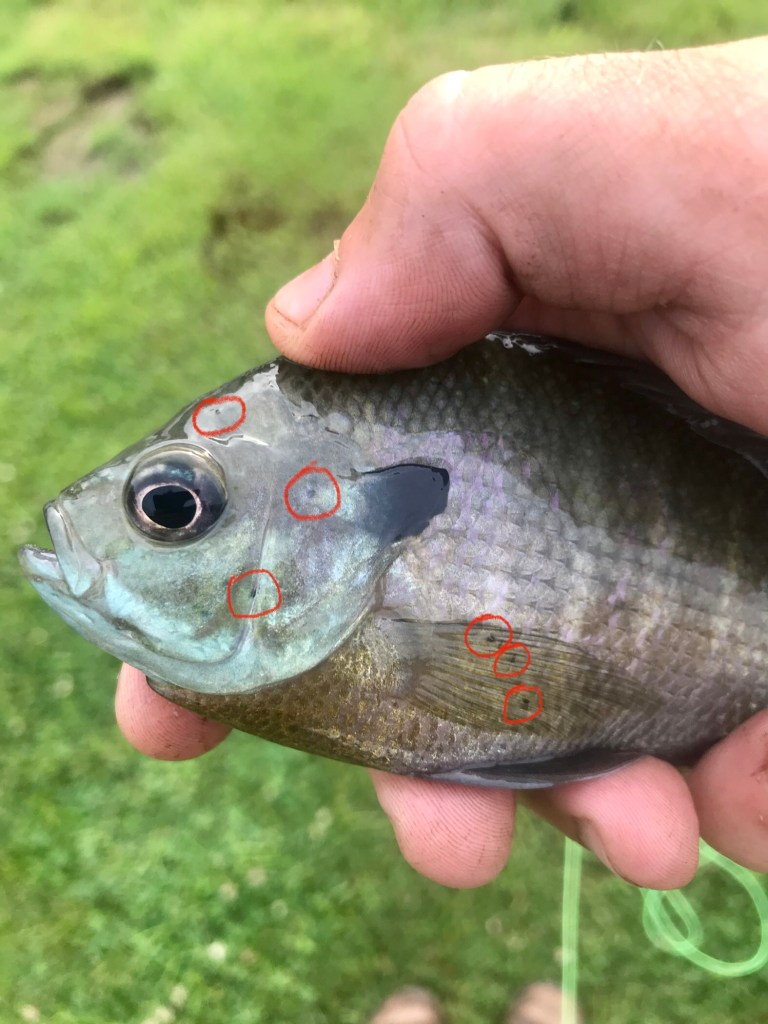
“Blackspot”
(Neascus spp, Uvulifer spp)
Trematode infestations (Diplopstomiasis) occur externally on the fins and skin of fish or internally in the muscle fibers. The black color is a result of an immune response by the fish host, surrounding the invading worm with melanin or skin pigment. The most common parasitic infection.
Breaking the Parasitic Life Cycle With Redear Sunfish (Lepomis microlophus)
The life cycle of the above parasites are complex, involving multiple developmental stages in multiple, separate hosts. They begin life in the gut cavity of waterfowl, shorebirds and piscivorous birds most specifically: herons, egrets, kingfishers, mergansers, cormorants, ospreys, eagles. Parasitic worms reproduce in these birds and their eggs are released into a water body through the birds digestive tract. These eggs hatch in the water and immediately seek out an intermediate invertebrate host, most often snails. Once inside the snail they undergo a developmental change for a period of time and exit the snail as a free-swimming organism. Once outside the snail they begin looking for their next host, fish. Once they encounter a fish they attach to the body or gills and burrow to a suitable location where they form a cyst. This parasitic cyst is the larval stage of the worm and is only able to mature if the fish host is consumed by an above mentioned bird, completing their life cycle.
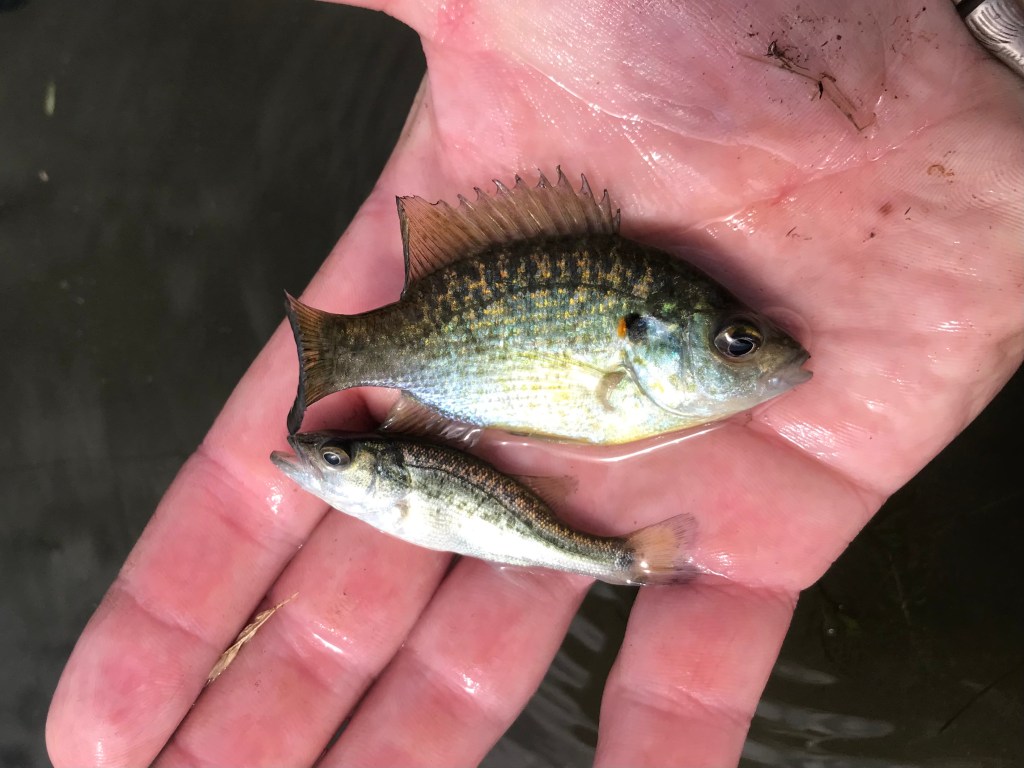
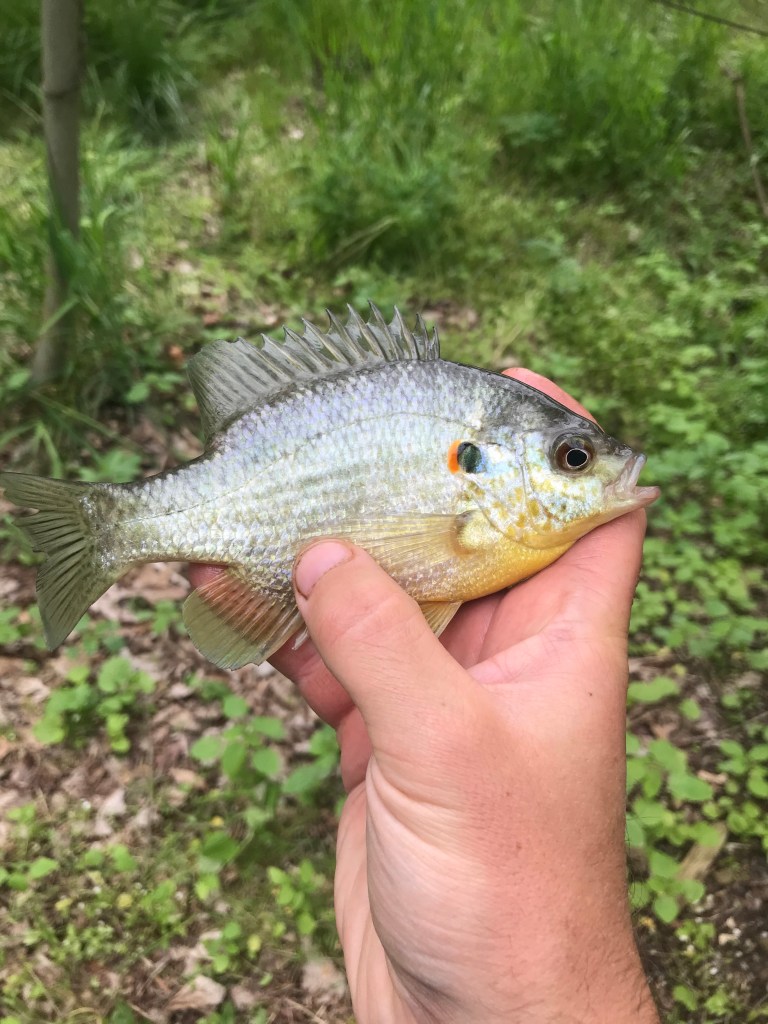
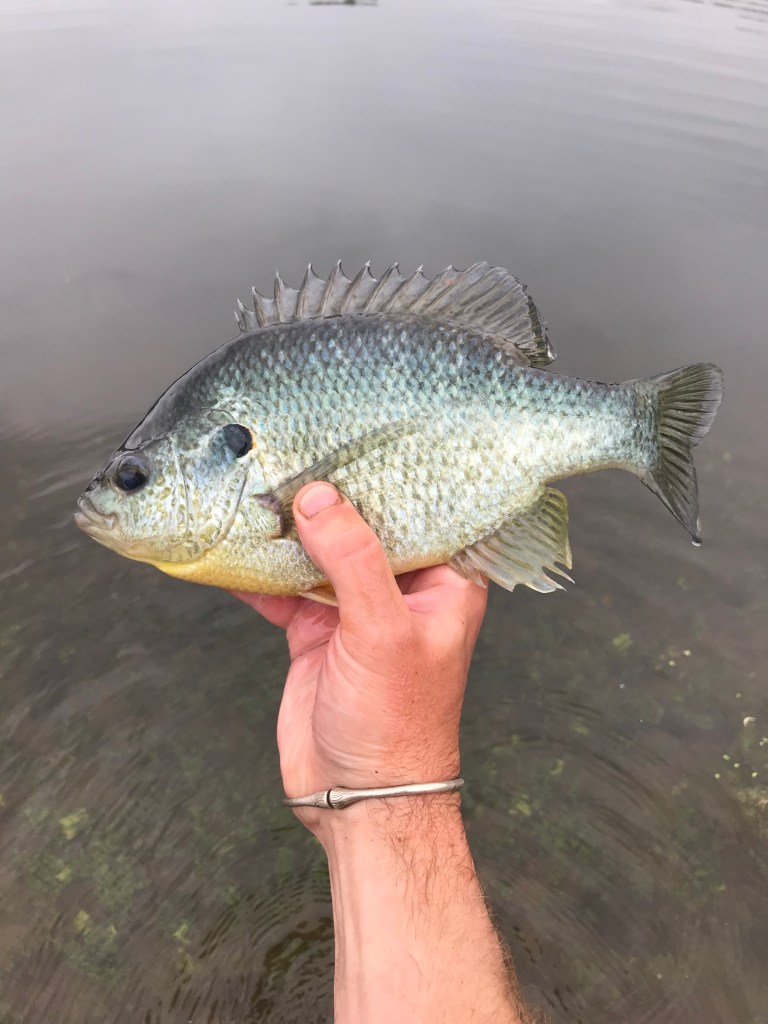
Redears are similar to other sunfish in their life history. They breed in the same areas during roughly the same time, have a similar body shape and grow to similar sizes. With that being said, redears grow slightly larger than standard bluegill and generally stick to deeper water. They target snails so they feed more on the benthic layer and relate well to aquatic vegetation. They’re capable of multiple spawns per year (weather and region dependent) but are not a substitute for Bluegill sunfish (Lepomis macrochirus) when it comes to a forage base.
Resources
https://extension.purdue.edu/pondwildlife/fish-population-management.html
https://extension.psu.edu/pond-fisheries-management
https://www.koaw.org/hybrid-lepomids
Conservation Hunting/Fishing
Sterile Grass Carp
Tilapia
 PondHero