Aquatic Habitat Promotes Fish Production and Water Quality
The littoral zone is the shallow, marginal areas of a pond where sunlight reaches substrate. Whenever sunlight can reach substrate, aquatic vegetation is naturally encouraged. With aquatic vegetation comes dissolved oxygen production, water filtration and habitat creation. The littoral zone is the most productive part of an impoundment in terms of biodiversity and density of biological activity. This is where fish spawn and their fry develop, relying on habitat in this shallow area for shelter, food and growth.
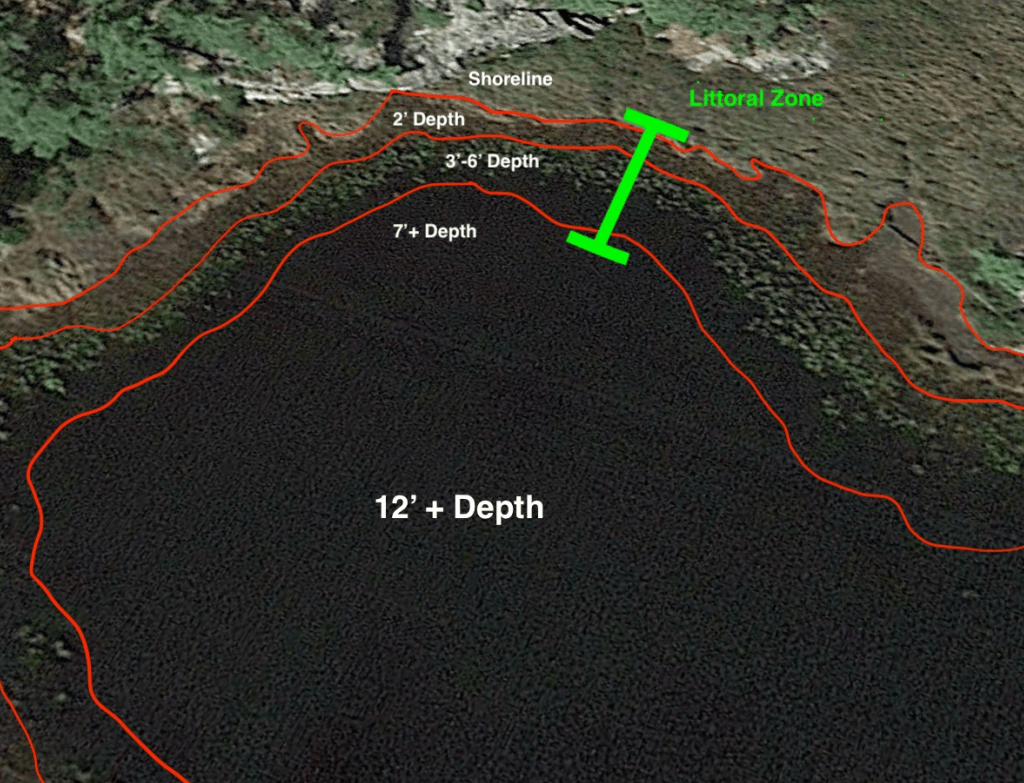
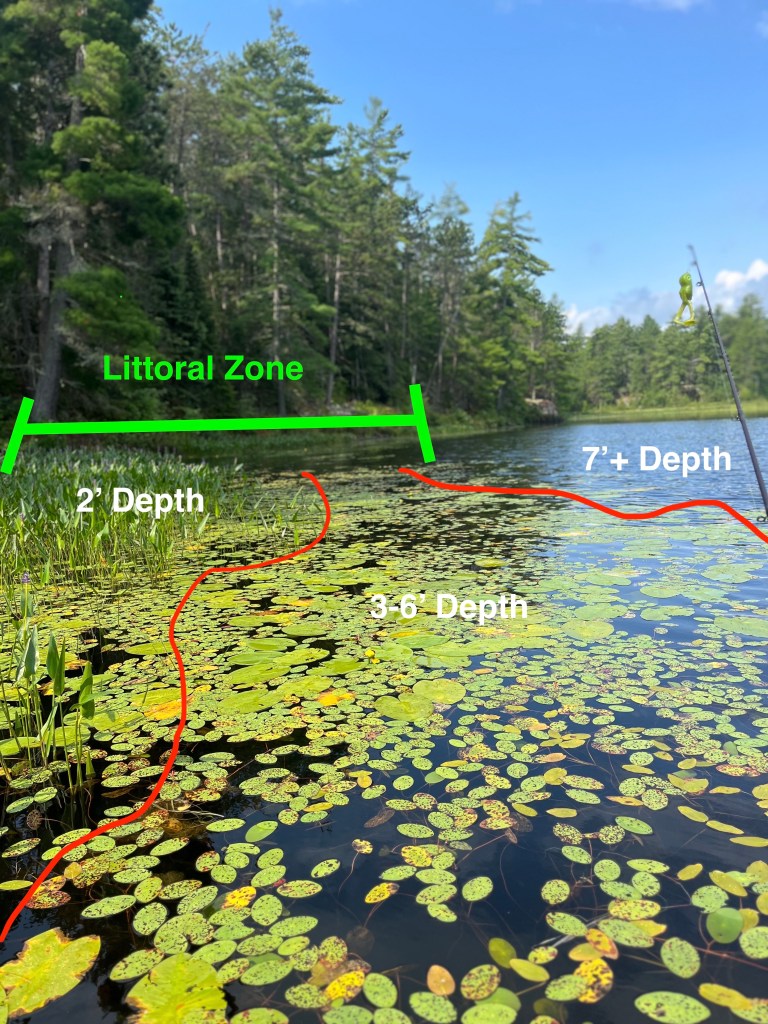
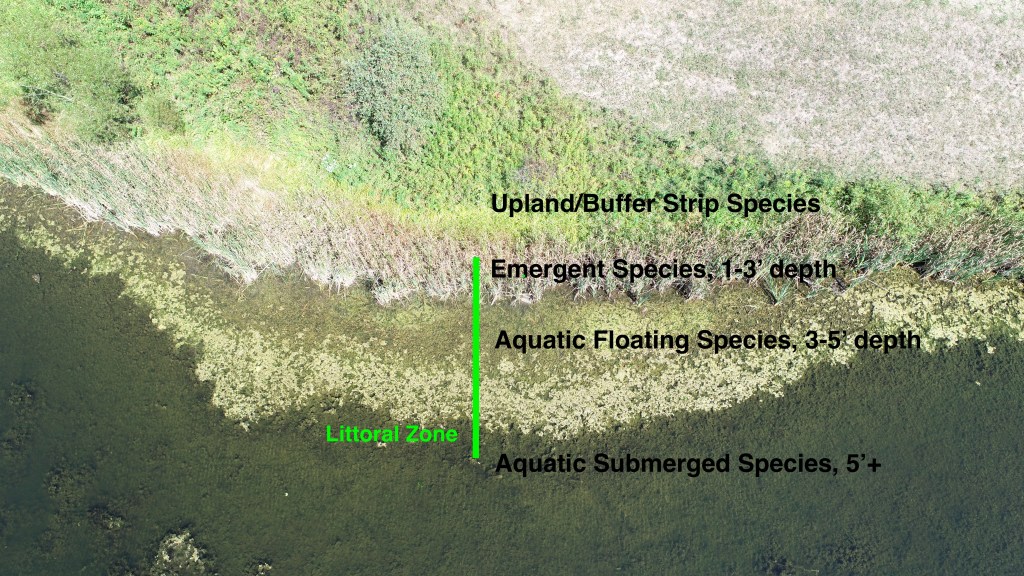
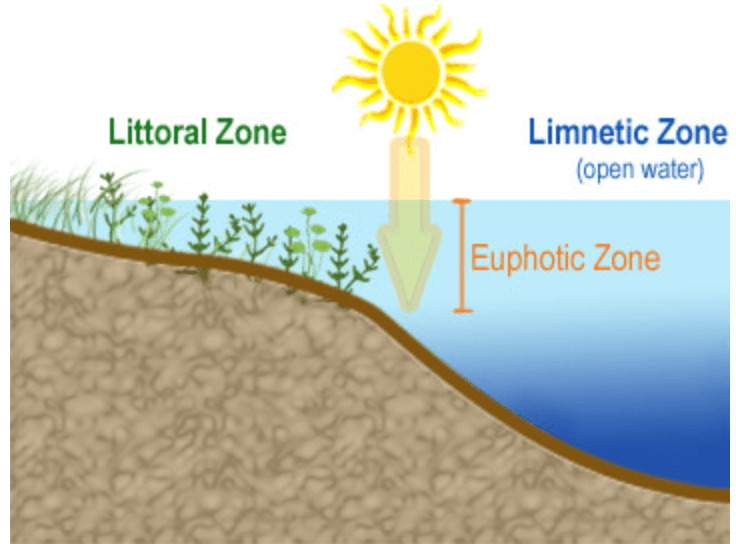
Aquatic Habitat determines the shelter and food resources available and impacts the health and productivity of the aquatic environment.
Macrophytes, or aquatic plants, provide great habitat, promote biodiversity and forage production, water filtration and a host of other ecosystem benefits. Plant communities in impoundments are dynamic in nature with different species colonizing or retreating at differing rates throughout the year. This can result in times of excess habitat and times of lacking habitat. A great way to temper those fluctuations is through biodiversity; biodiverse plant communities reduce the chances of colonization and monopolization by more noxious species while promoting the benefits listed above.
Periphyton is the slimy assemblage of life that colonizes submerged material and forms the foundation of aquatic food webs. This assemblage of algae, fungi and bacteria cover the surface area of rocks, docks, sticks, macrophytes and anything submerged; filtering the water and supporting life up the trophic levels. Habitat additions provide surface area for this colonization and their subsequent benefits.
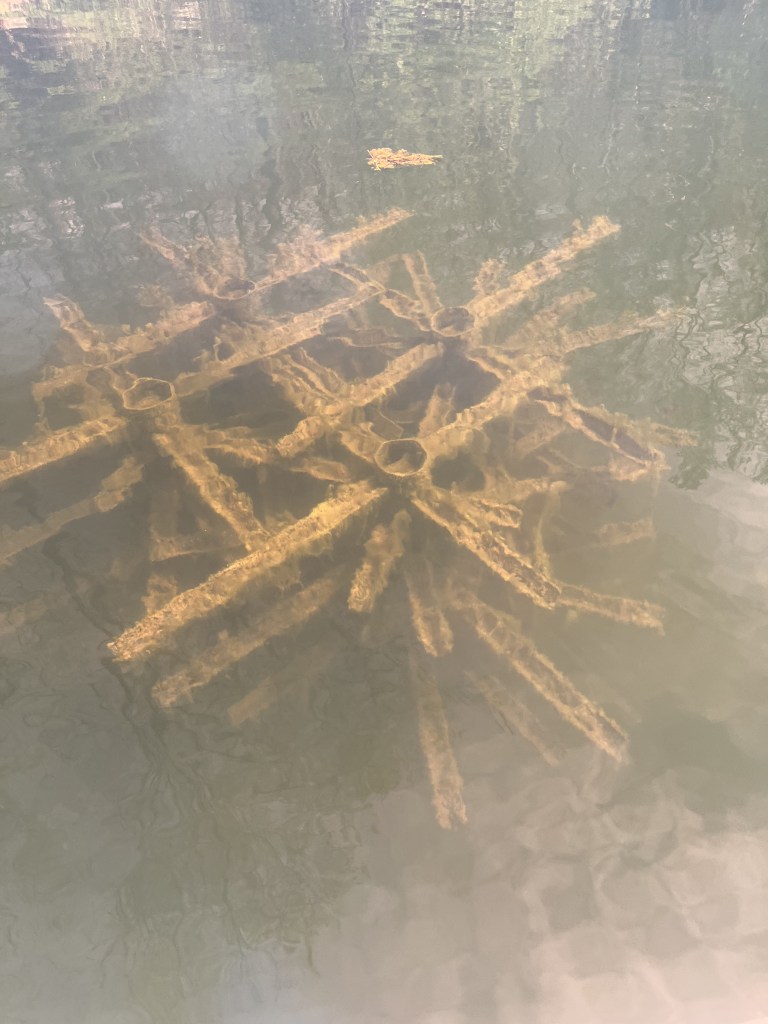
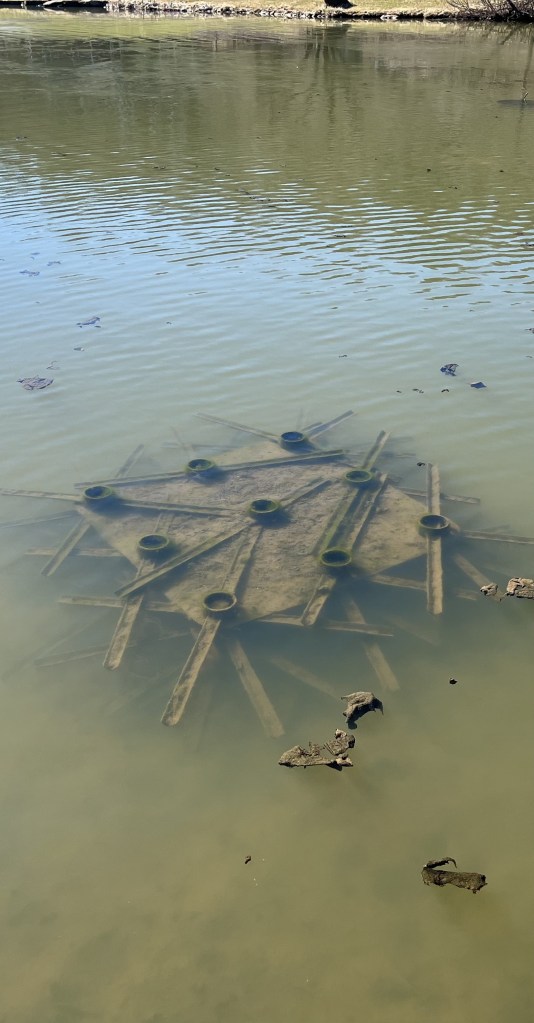
Brush parks are an aquaculture practice that utilize the addition of thick cover (brush piles) to attract and grow fish for harvest. Cultures across the world utilize similar practices as a way to farm fish in natural settings with low input. A brush park is a literal brush pile in the water, a tangle of material with high surface area. Brush parks are quickly colonized by periphyton,algae and other aquatic vegetation, attracting and producing macro-invertebrates that promote small fish which in turn promote larger fish.
Examples of Aquatic Habitat:
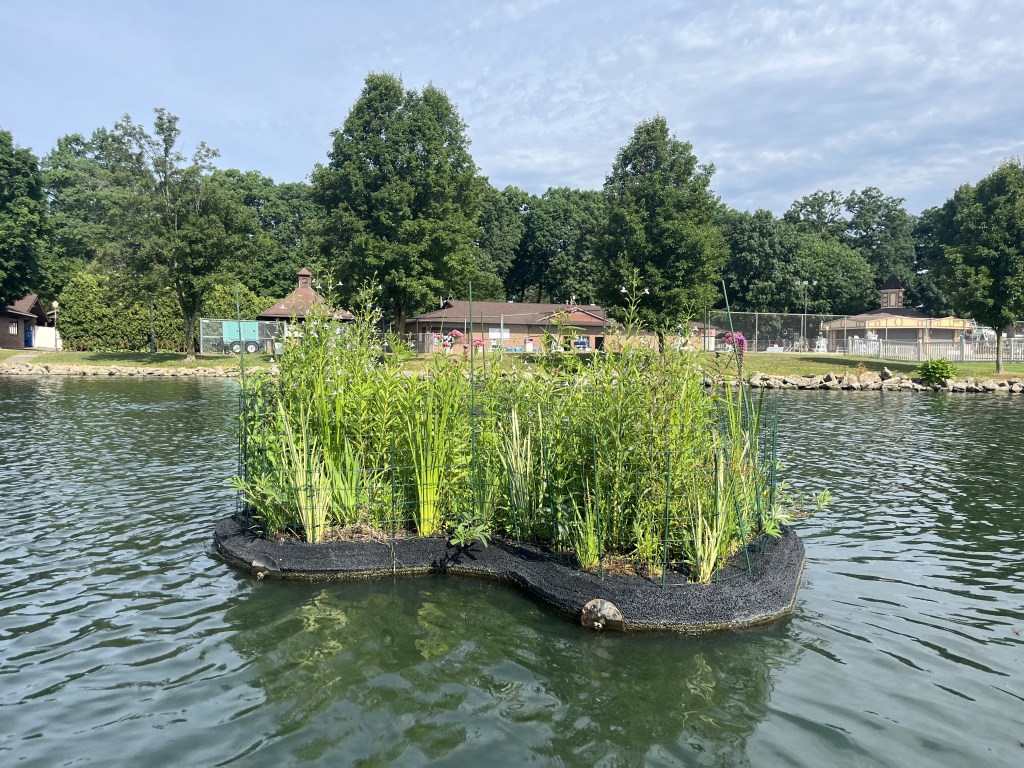
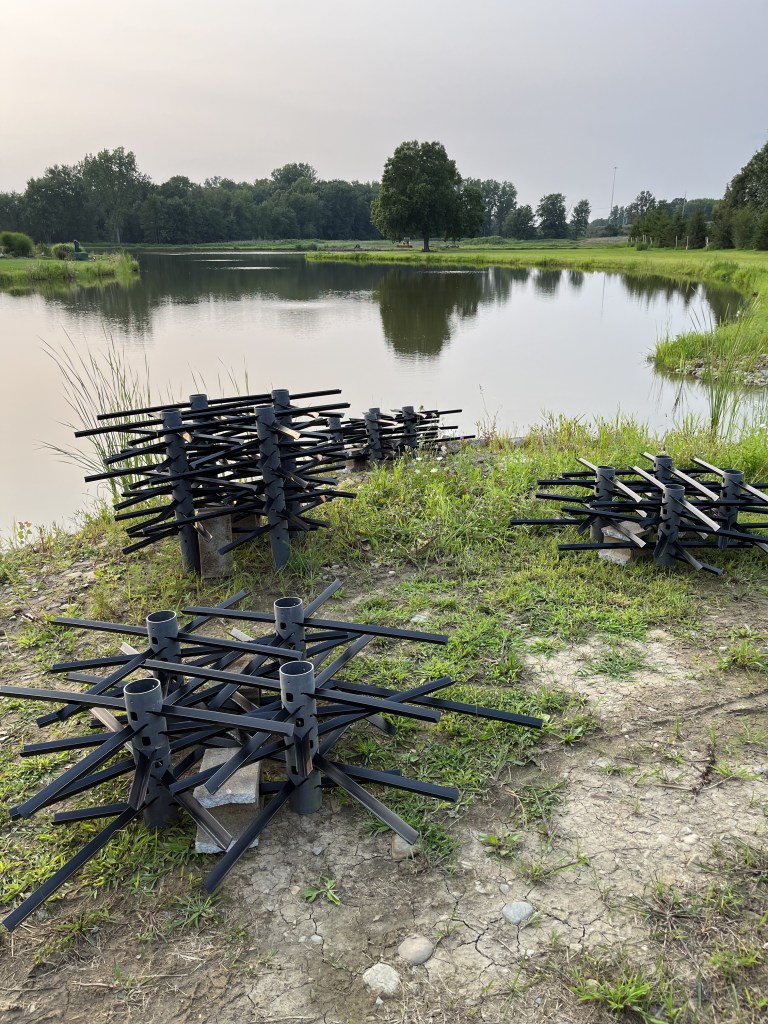
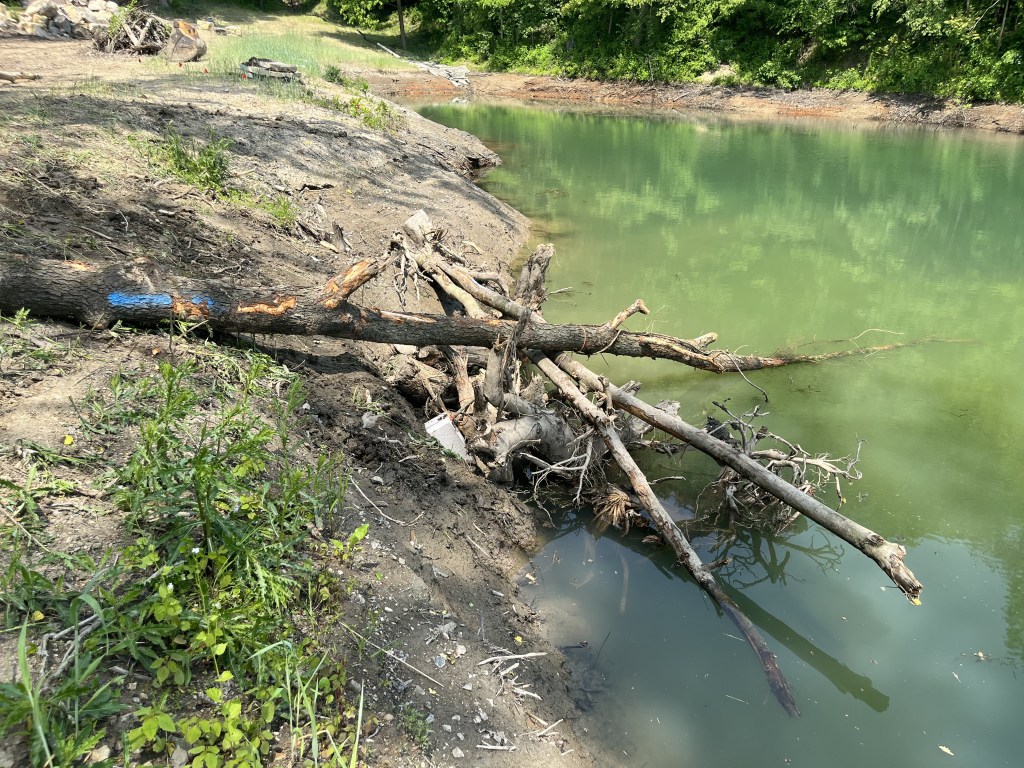
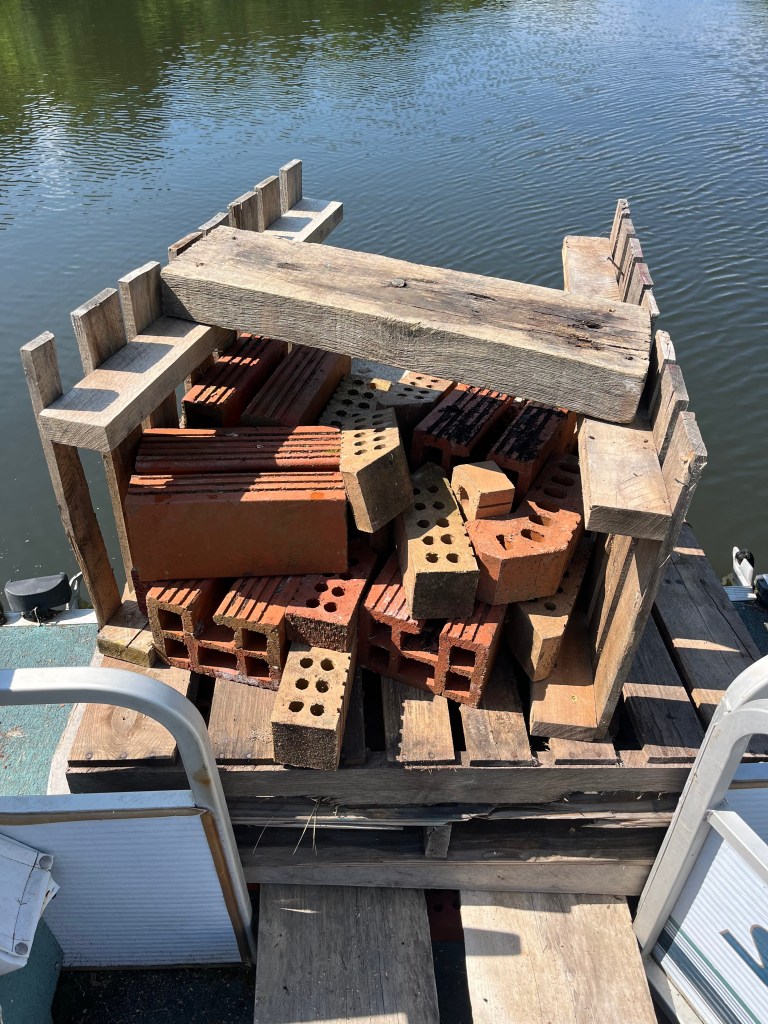
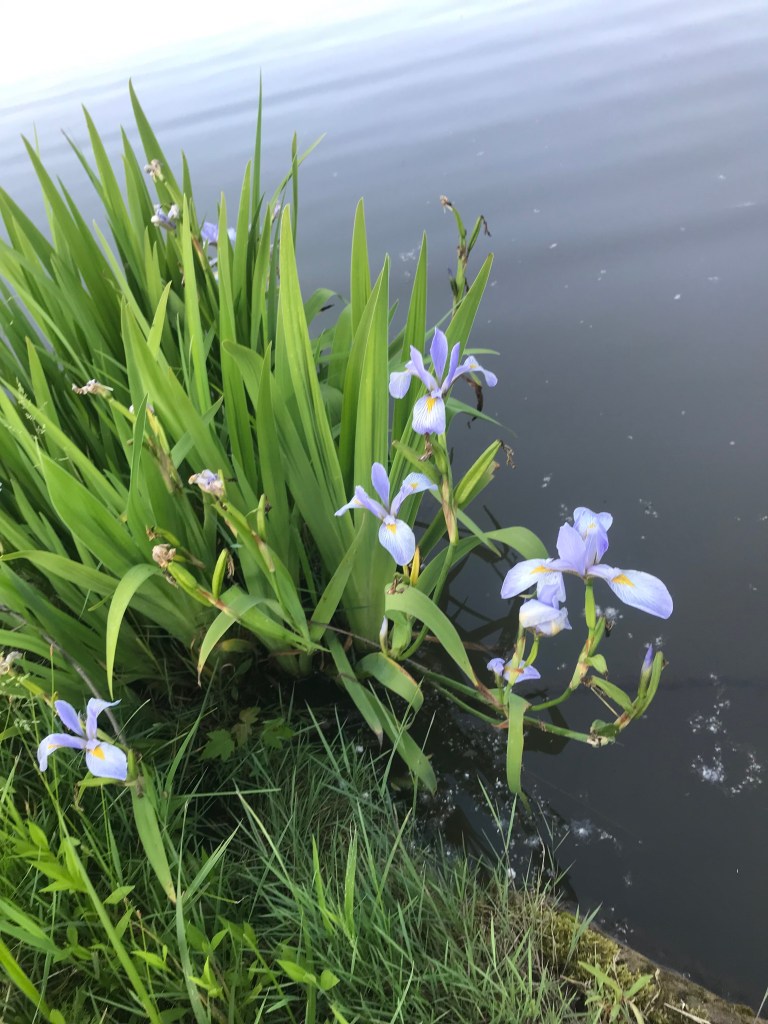
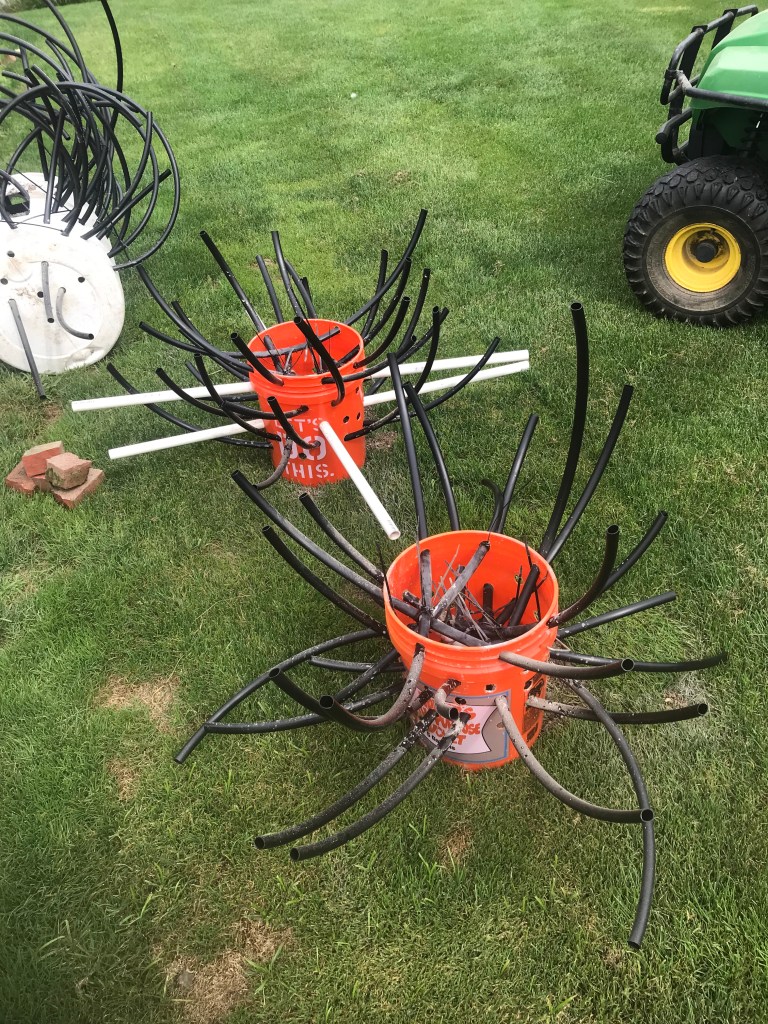
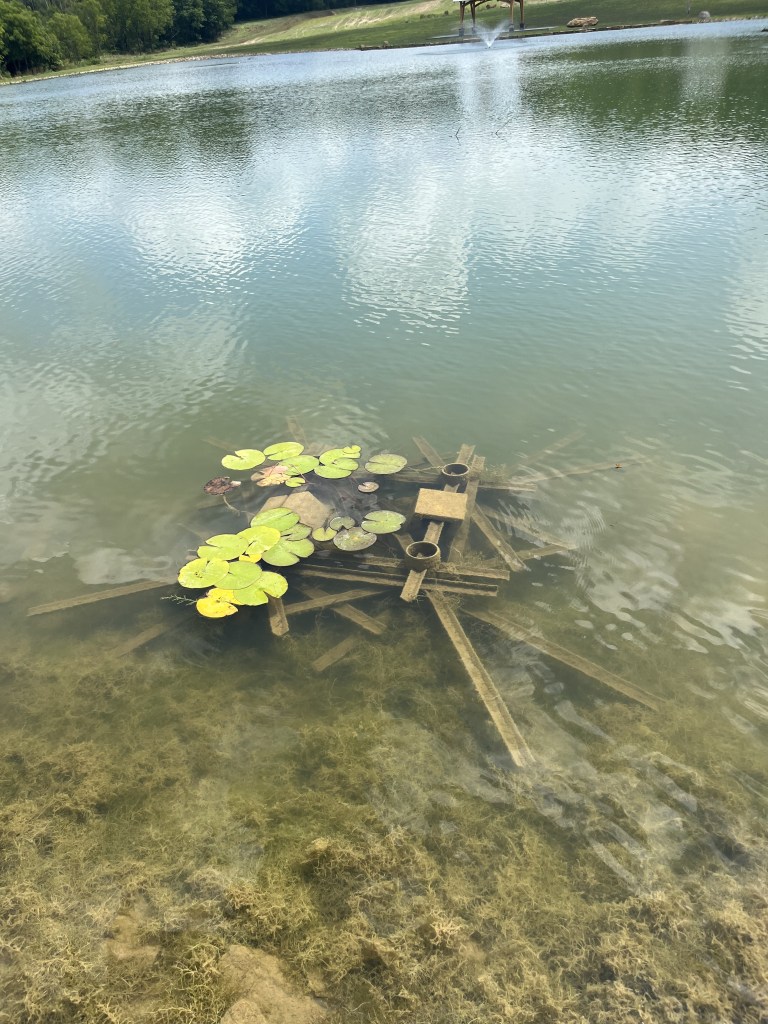
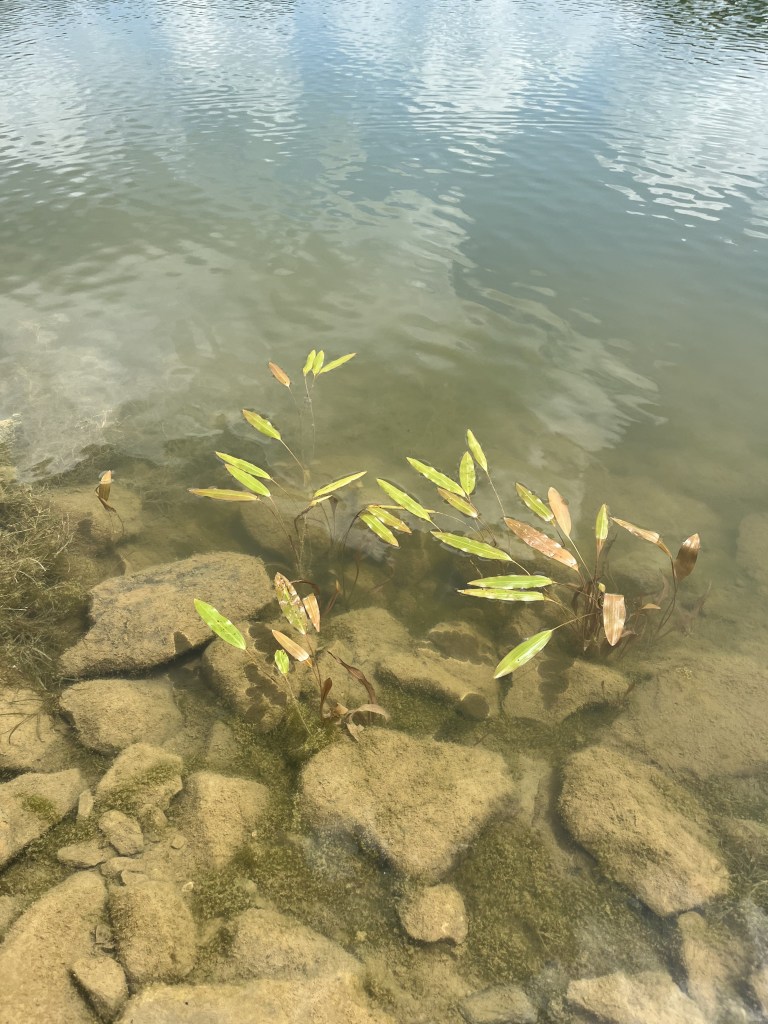
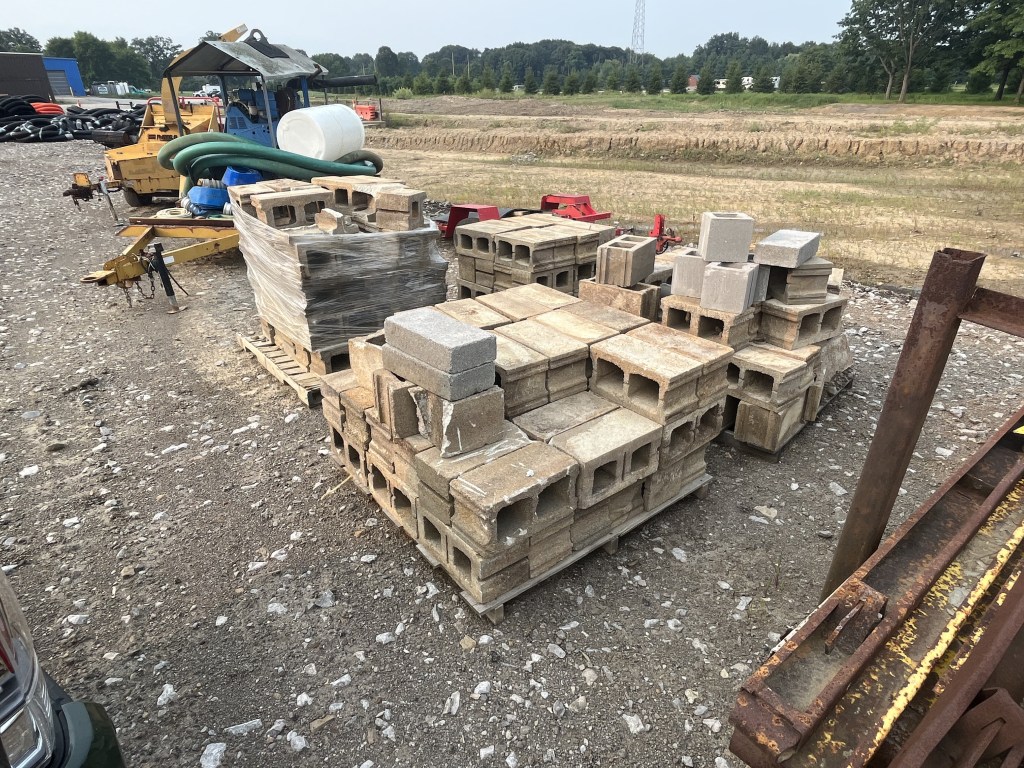
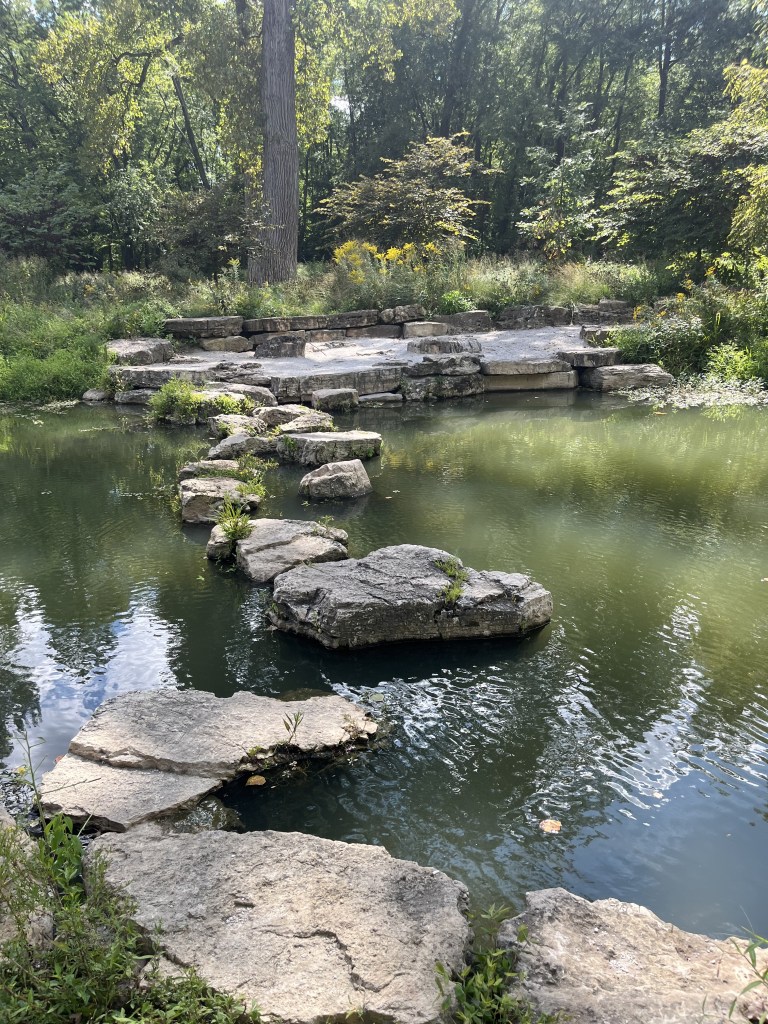
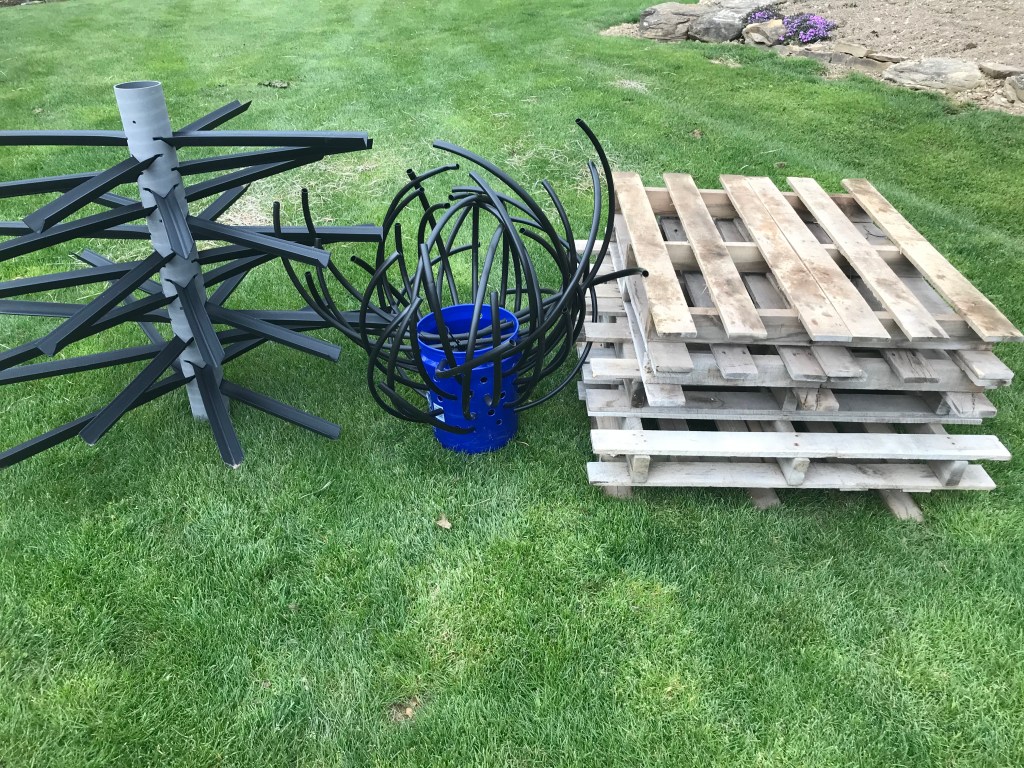
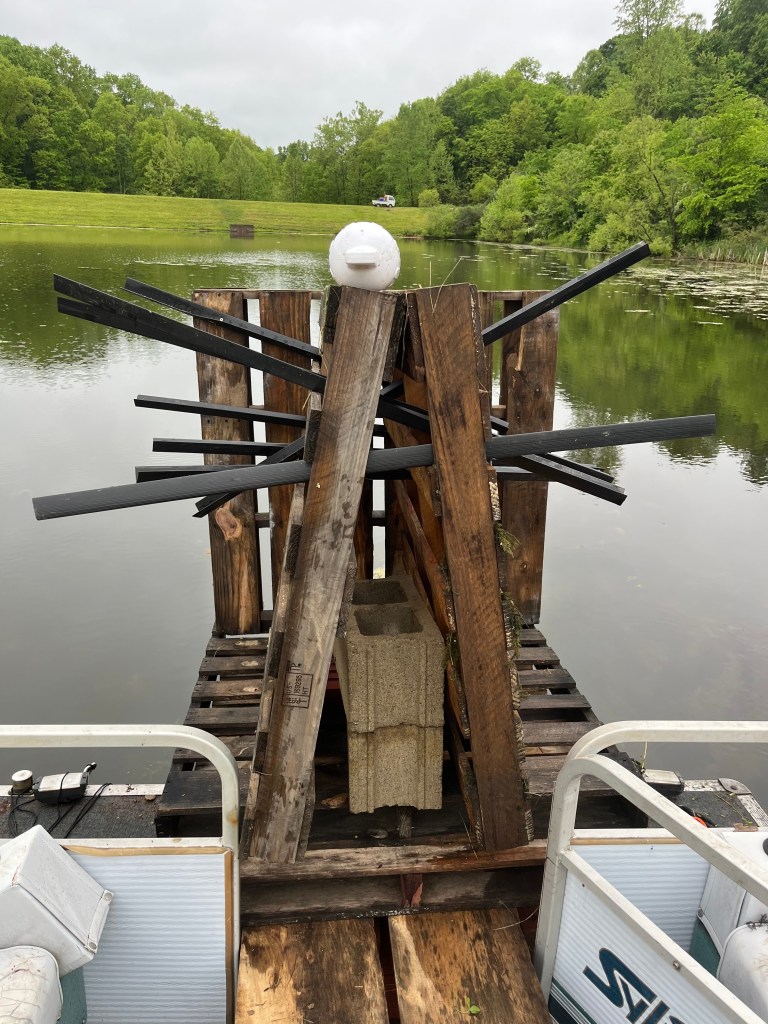
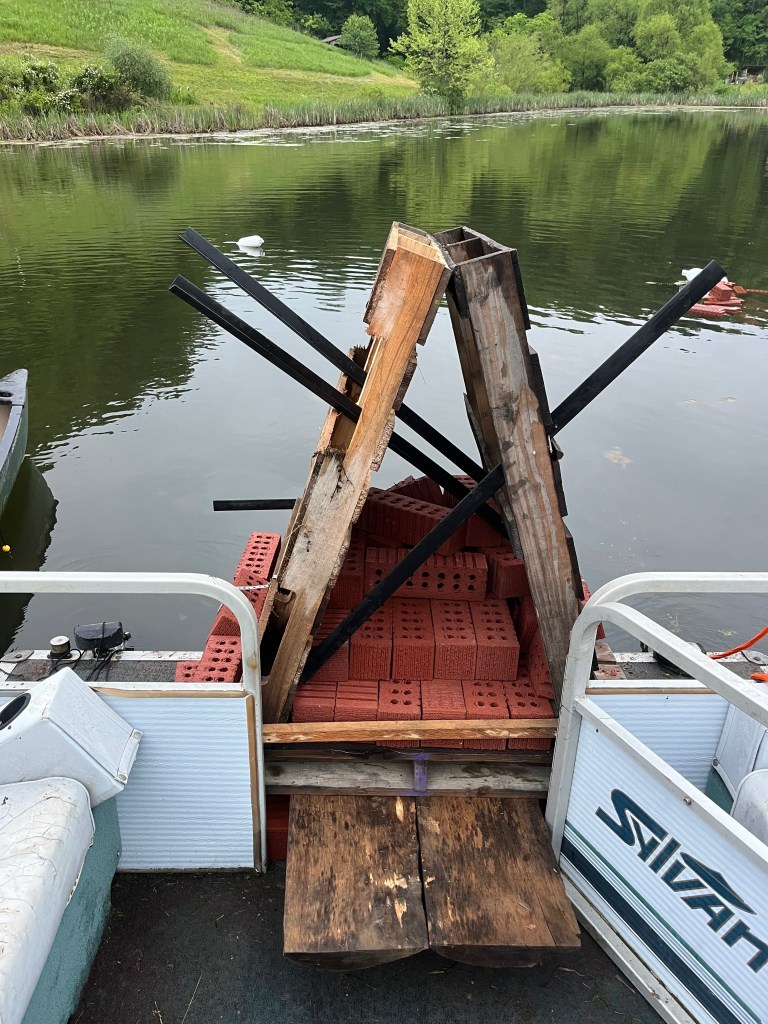
Aquatic Habitat is a broad category that includes softer vegetative growth as well as more long-lasting material like rocks, timber and artificial (PVC, HDPE). Ensuring a mix of varying habitat in varying locations is the best way to get the most biodiversity and productivity. For example, native crayfish and caddisfly species benefit more from rock and masonry material while some species of isopod rely more on woody material. The use of varying materials also ensures the habitat remains beneficial in the winter months or other times when vegetation is naturally lacking.
Tips for creating aquatic habitat:
- Material consideration is important to ensure additions remain intact, functional and don’t leach any unwanted nutrients or pollutants.
- Design: The overall design can be tailored to benefit a specific species or group of species. More dense habitat with small openings provide great shelter for fry and small forage species because it limits access by larger predators. More open or sprawling habitat is better suited for juvenile and adult fish and predators in general.
- Depth: Shallow habitat (1-5ft) in the Littoral Zone is most beneficial for fry and forage survival. Habitat right outside the littoral zone, (5-8ft) is generally intended for larger fish and predators. At this depth some fry can still reach it successfully but this is the area predators spend most of their time waiting to ambush prey. Habitat in deeper areas are most beneficial during the winter months as fish congregate in the deeper water.
- Surface area determines how much growth and subsequent life the additions can support. More surface area leads to more periphyton growth which leads to more macro-invertebrates which can support more fish.
- Connectivity: establishing habitat areas, like a network, in multiple locations throughout the pond can improve the overall usage and benefit.
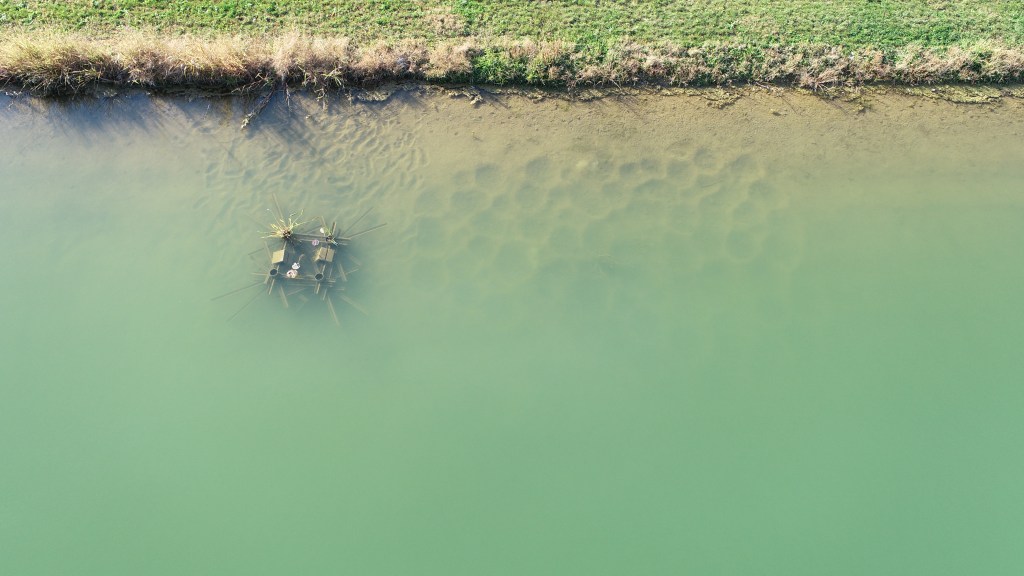
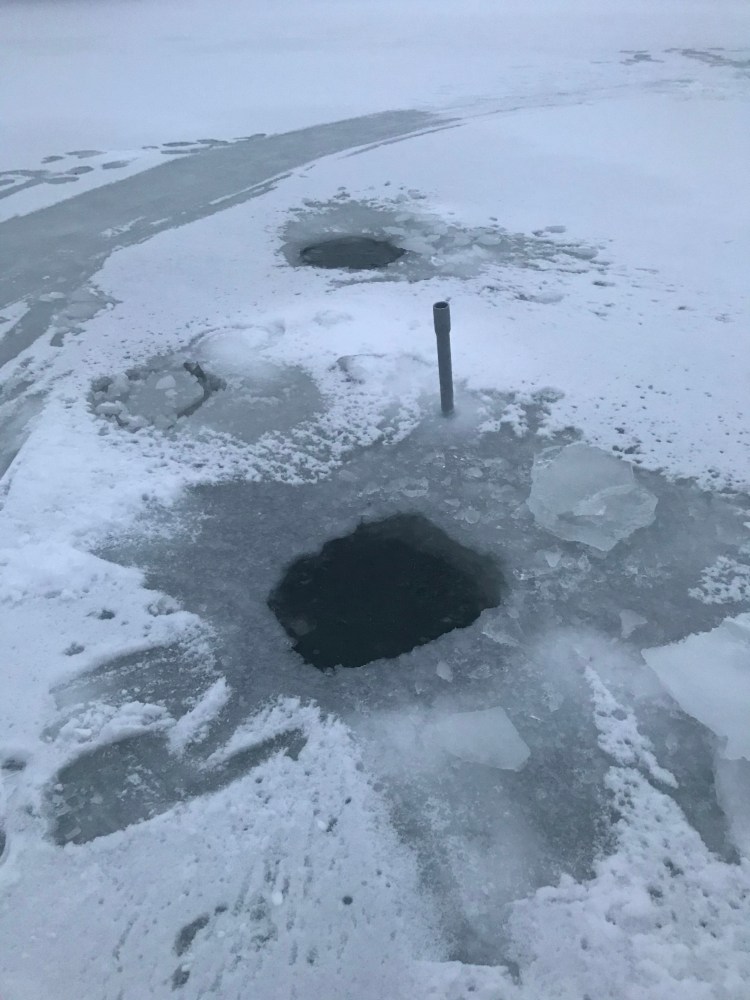
Marking added cover with a buoy or post can increase fishing success, help avoid snagging and make future additions easier.
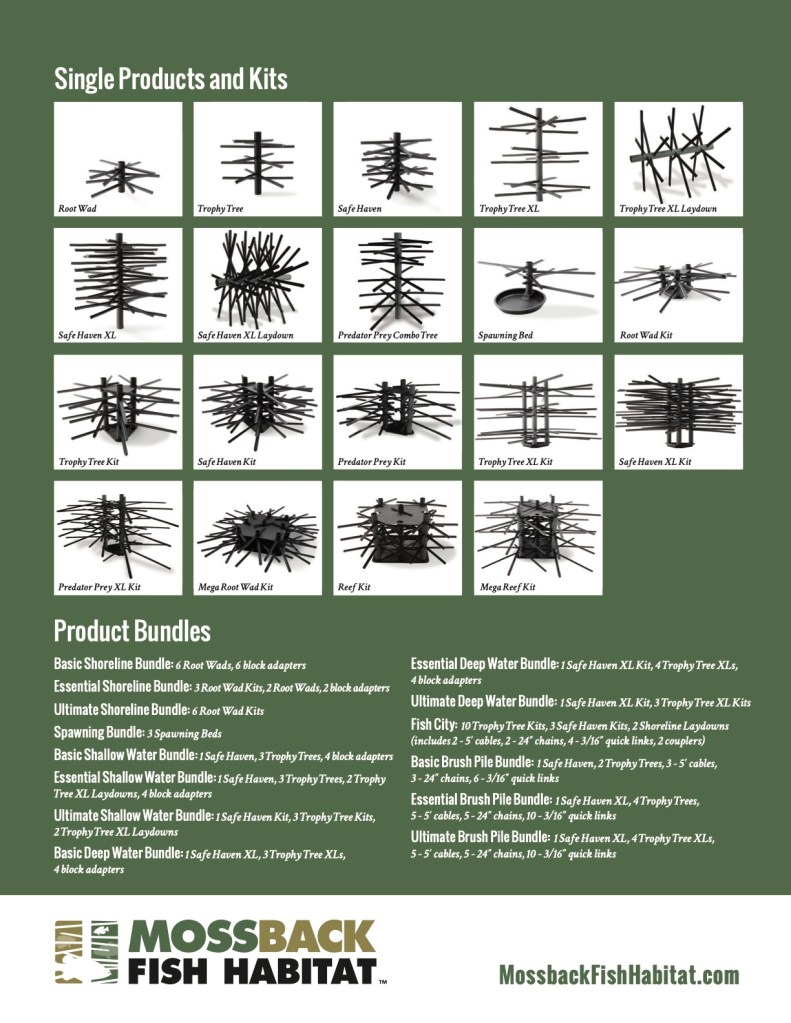
MossBack Fish Habitat
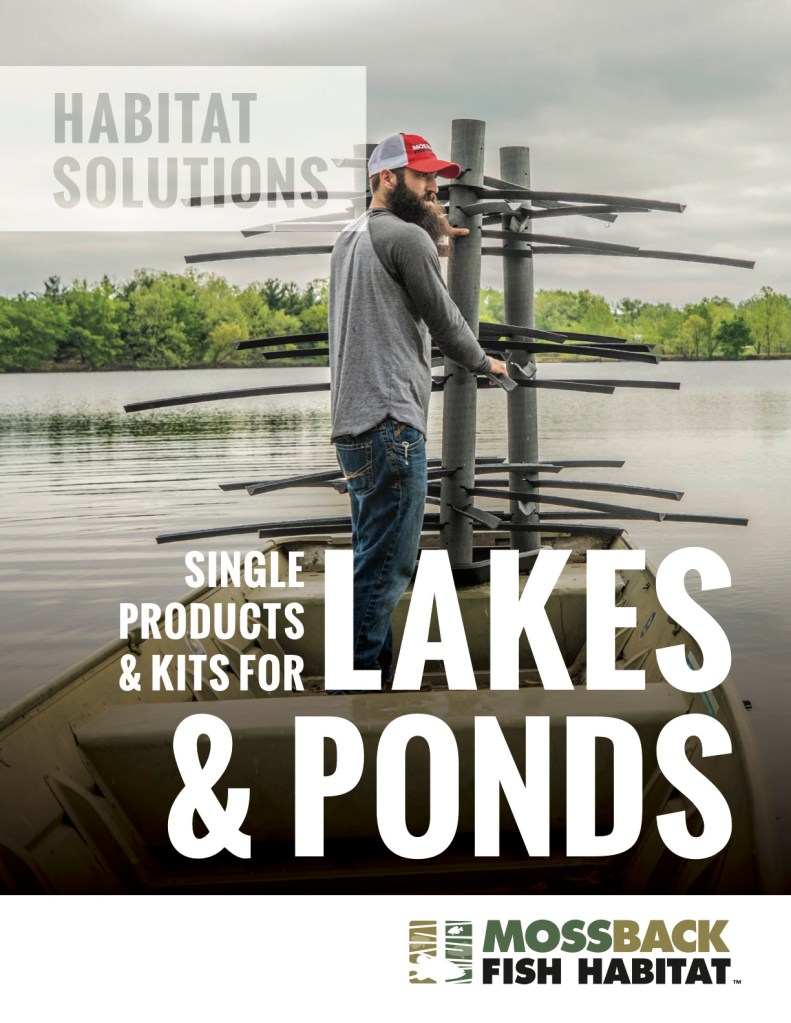
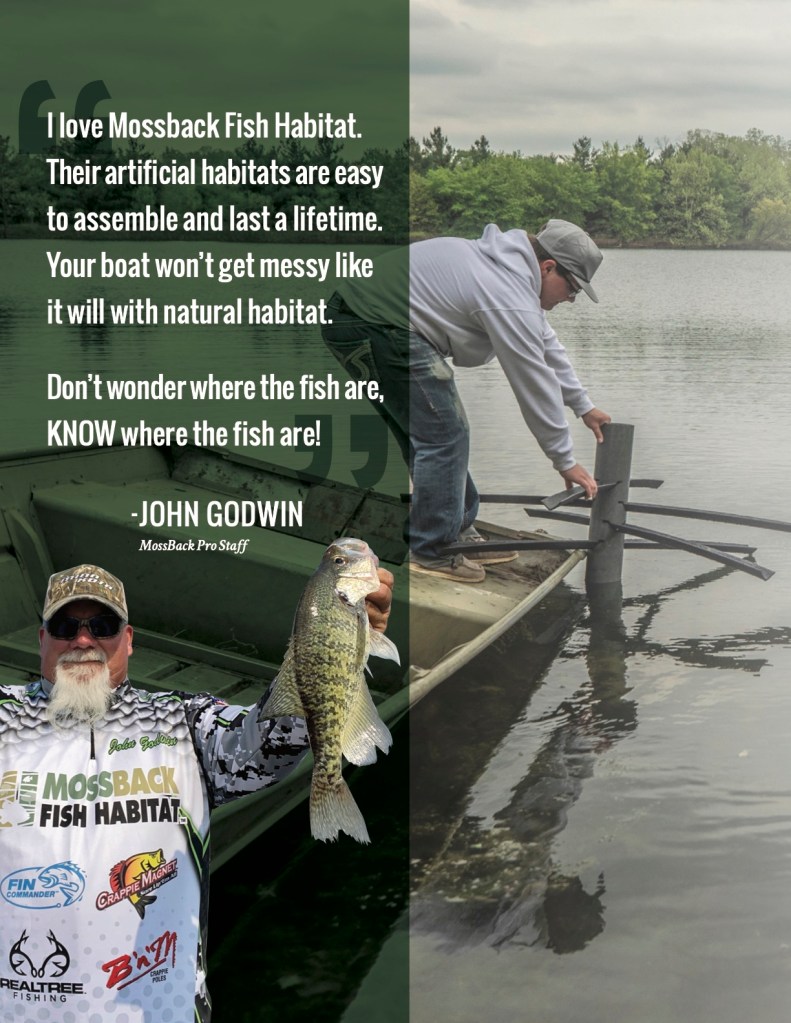
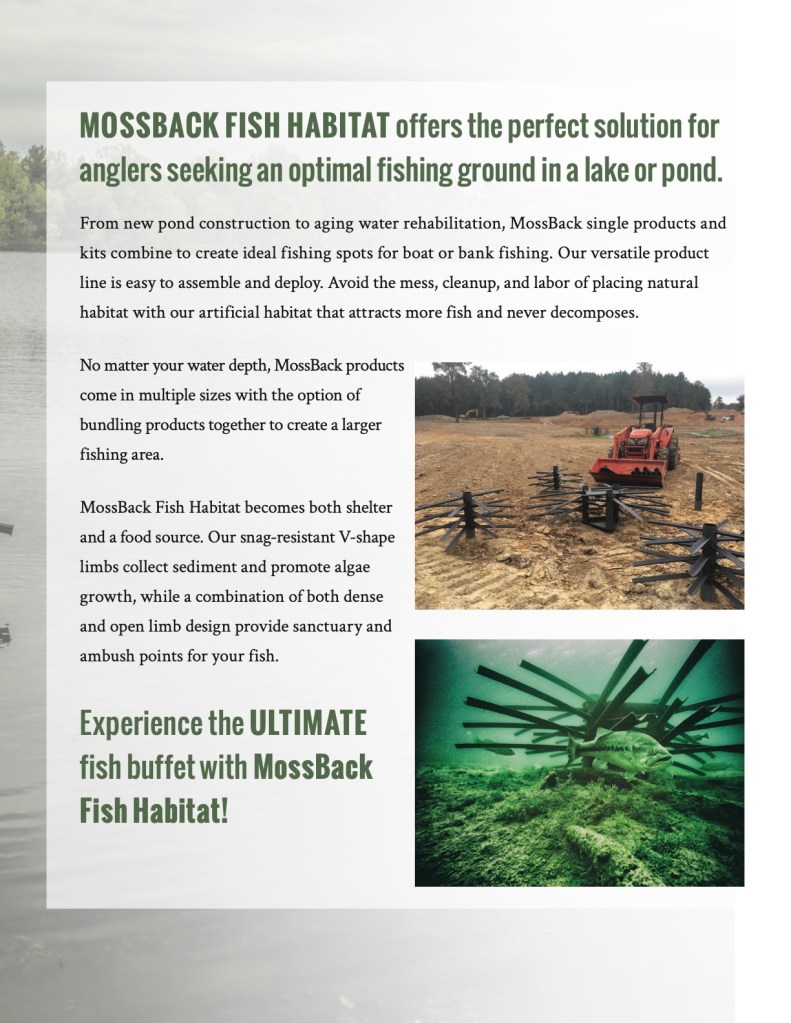
I’m a fan of Mossback because of their simple and durable construction with a purposeful design. Check out their website at mossbackfishhabitat.com
 PondHero